 1915 DC
The ceremonial core · 134 photographs
Pennsylvania Avenue
The avenue between the Capitol and the Treasury, where every inaugural parade, victory march and protest of the era passed.
History
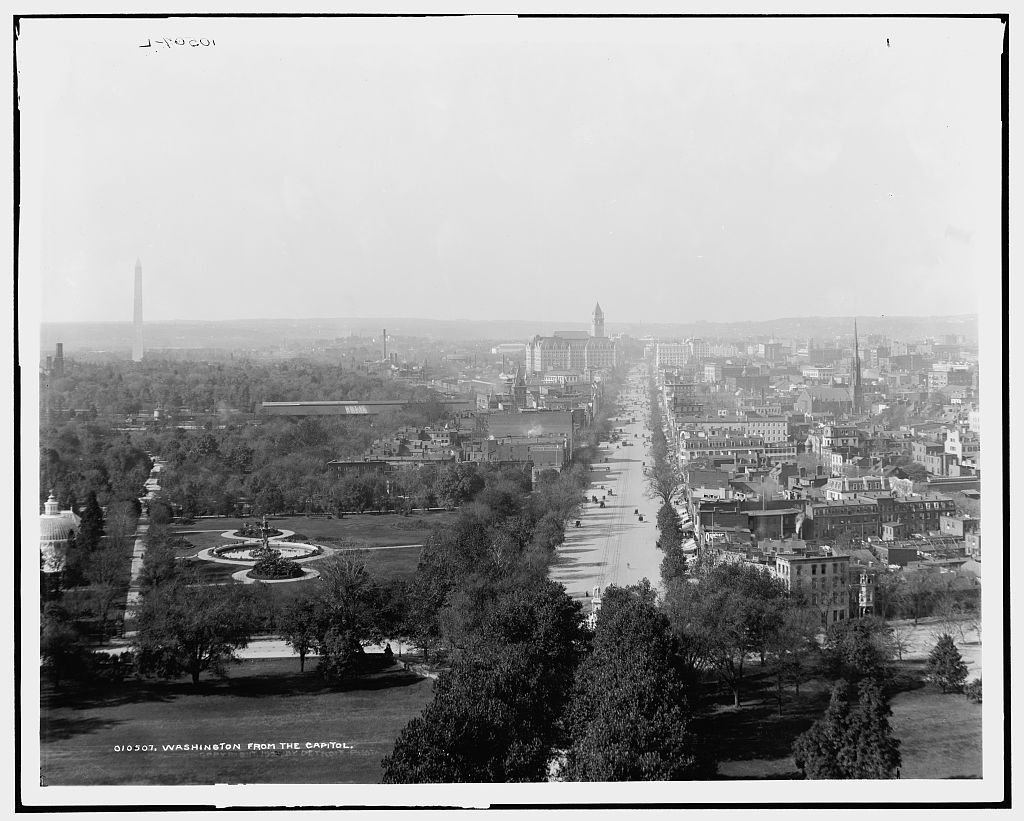
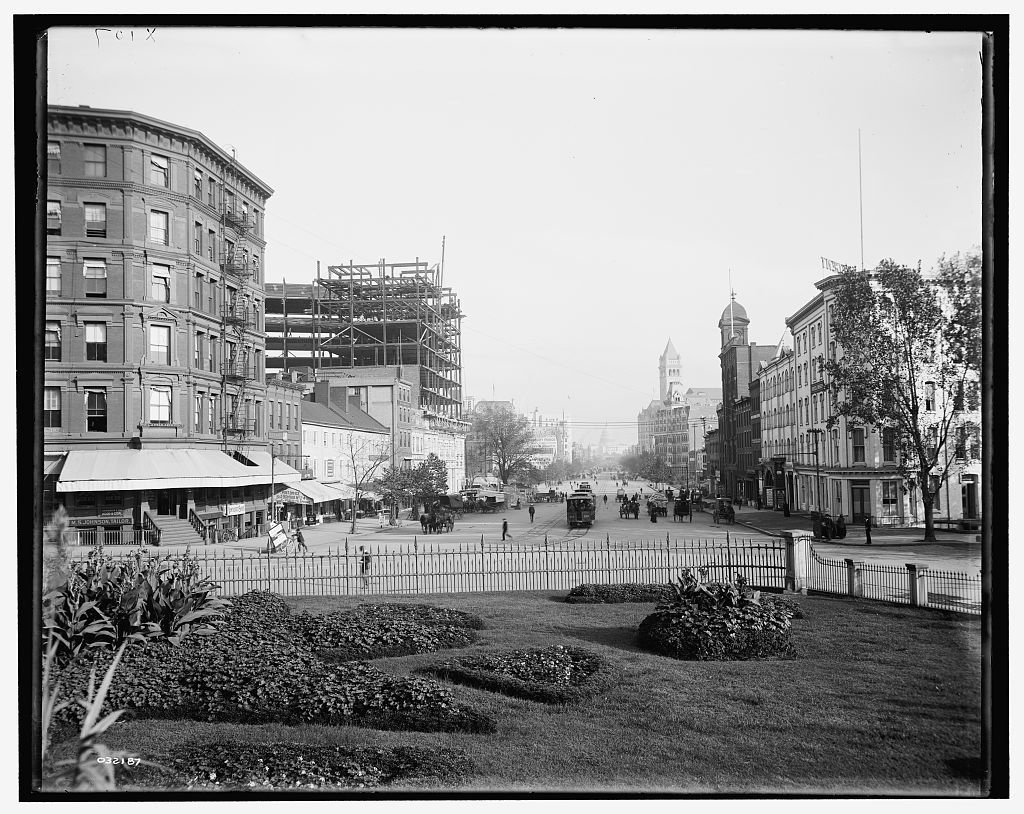
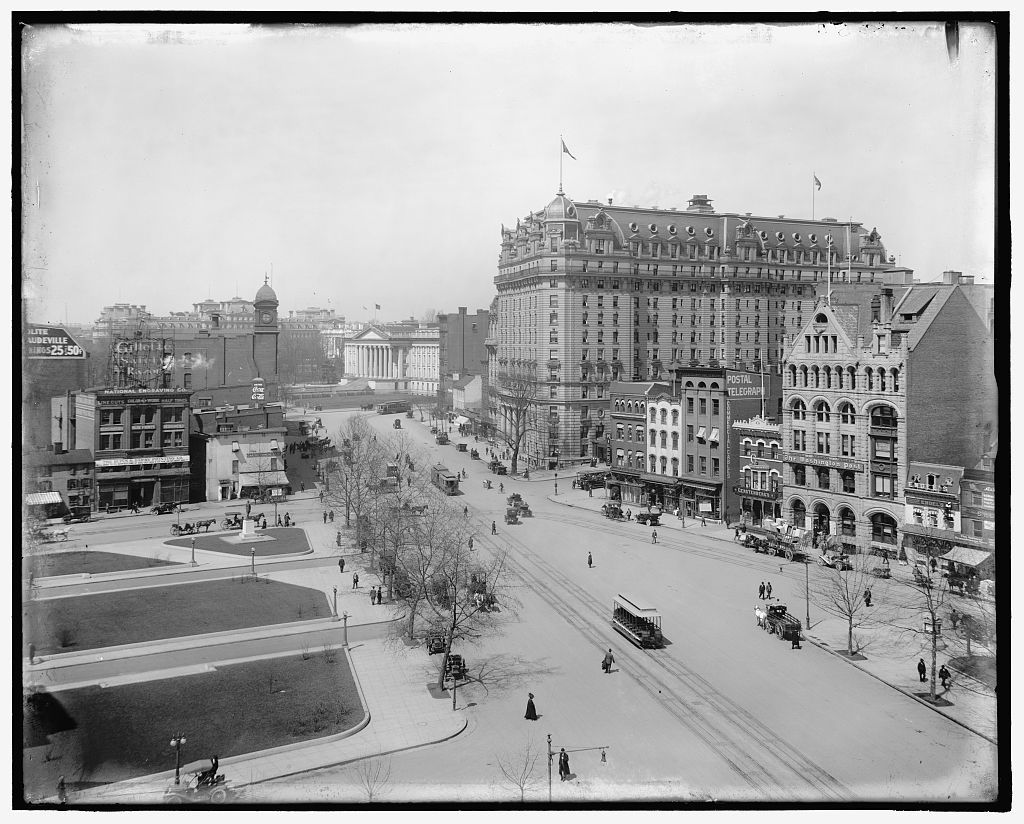
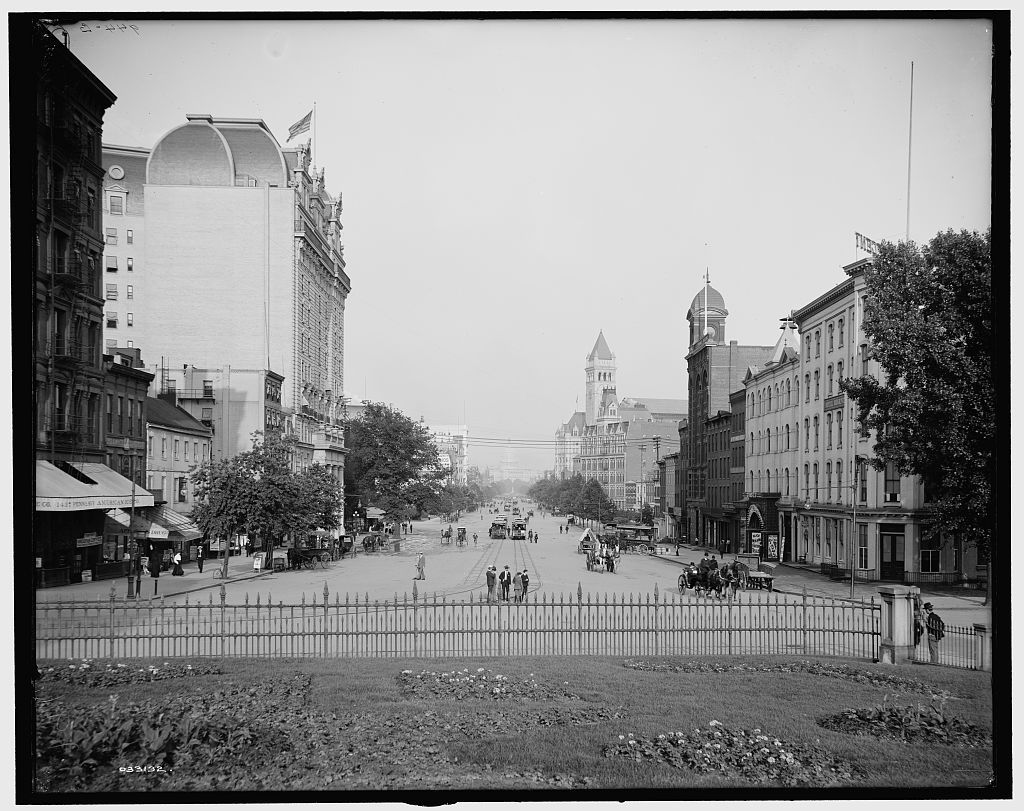
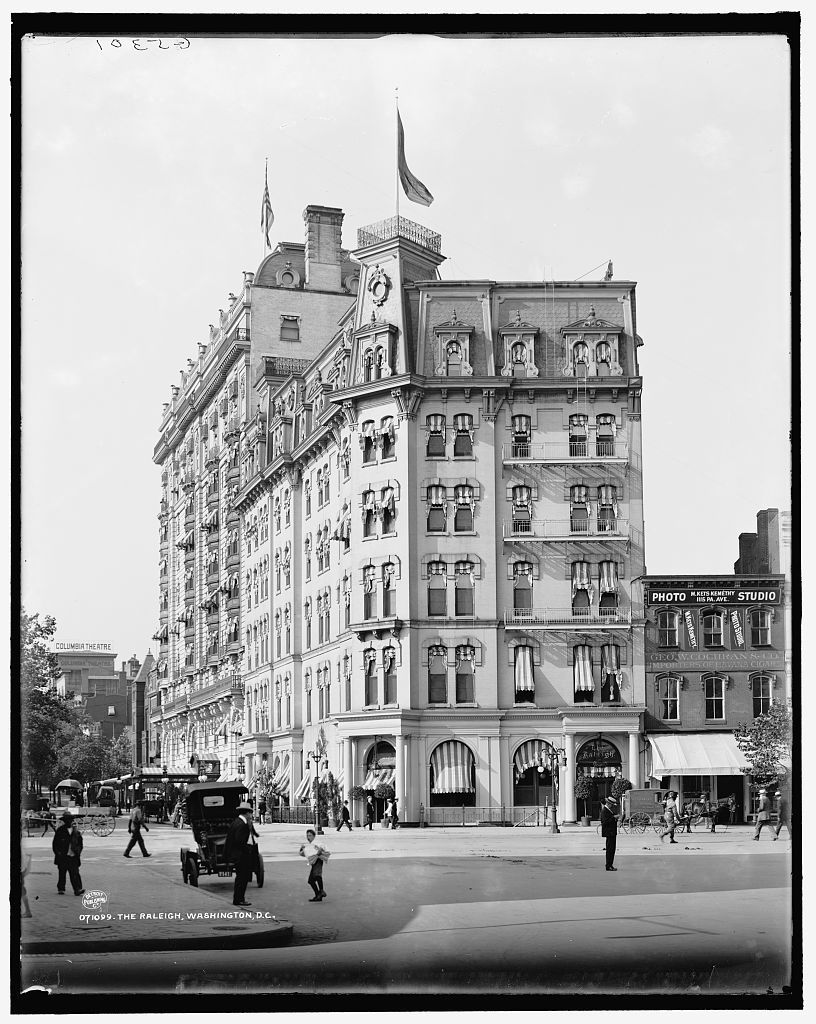
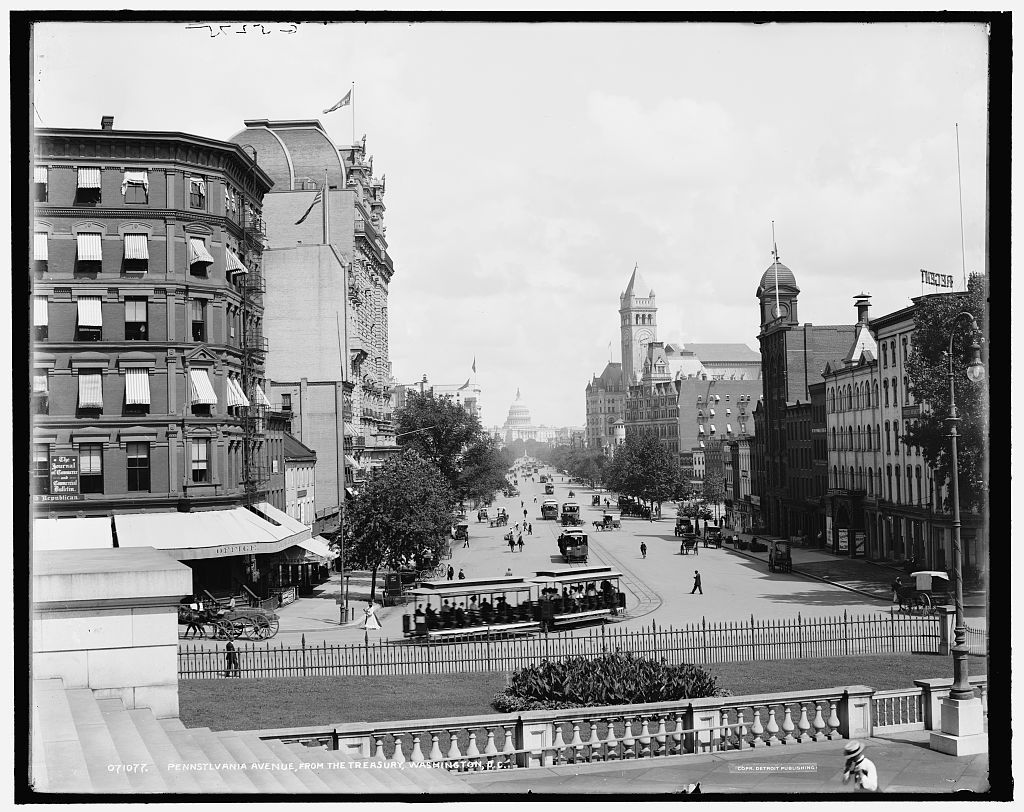
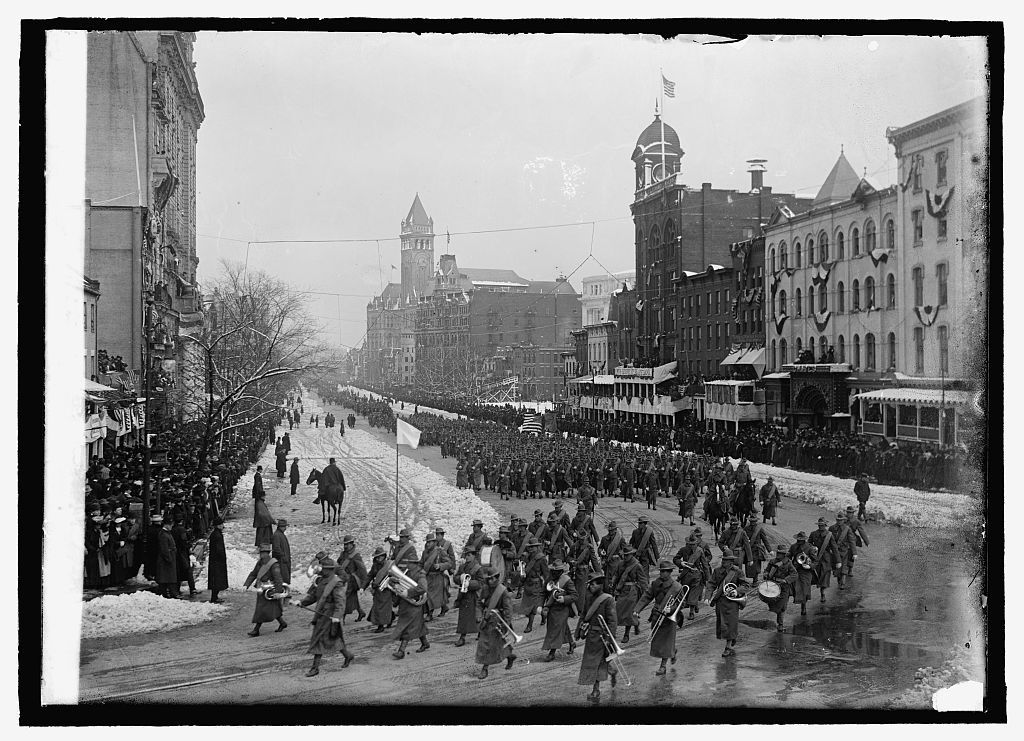
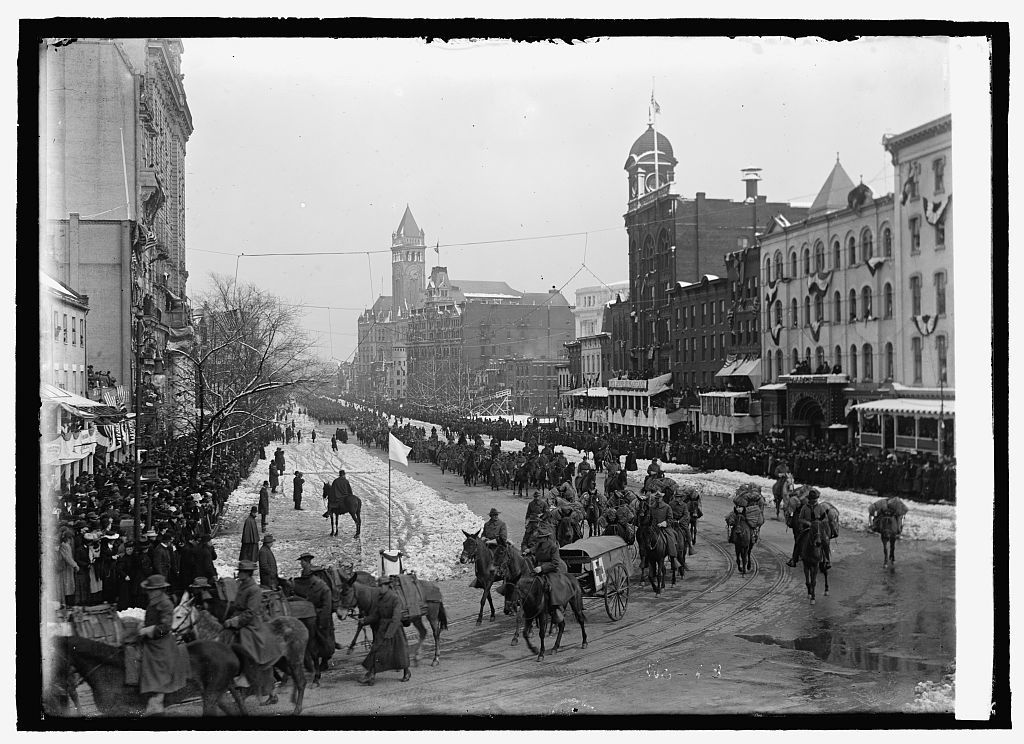
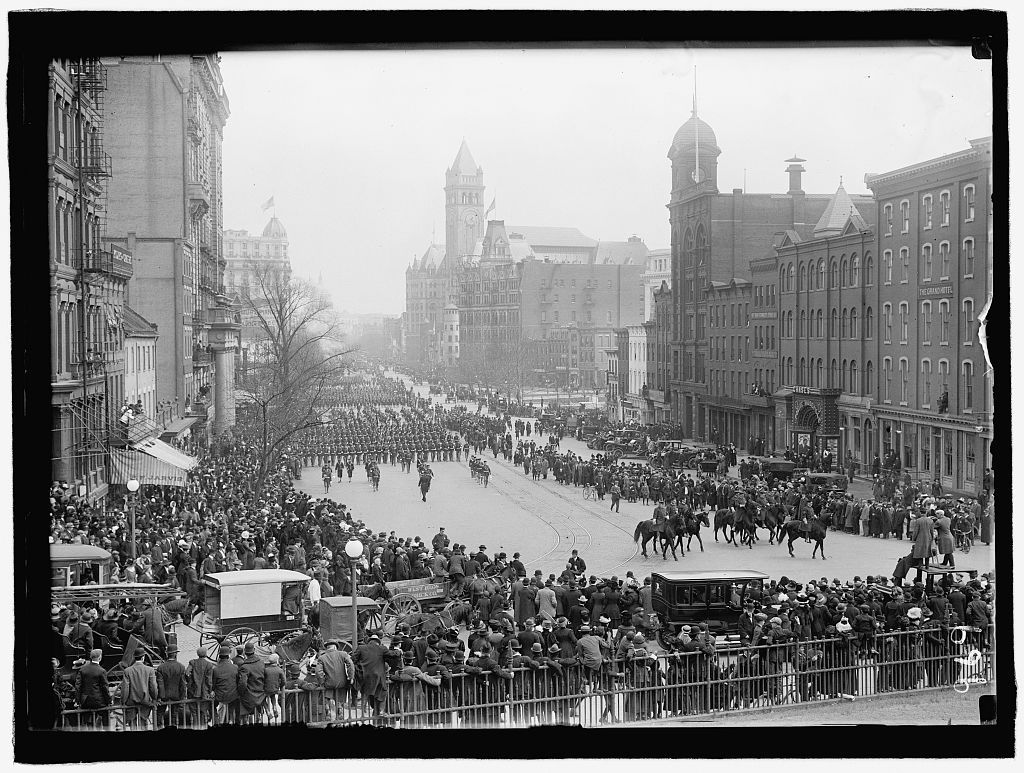
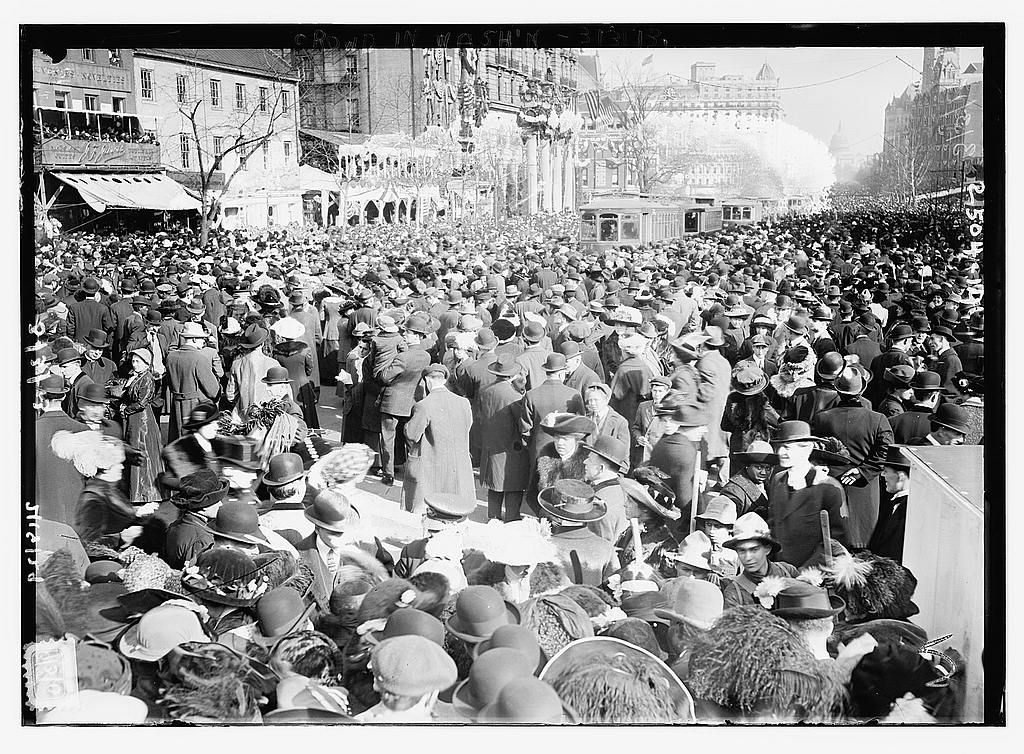
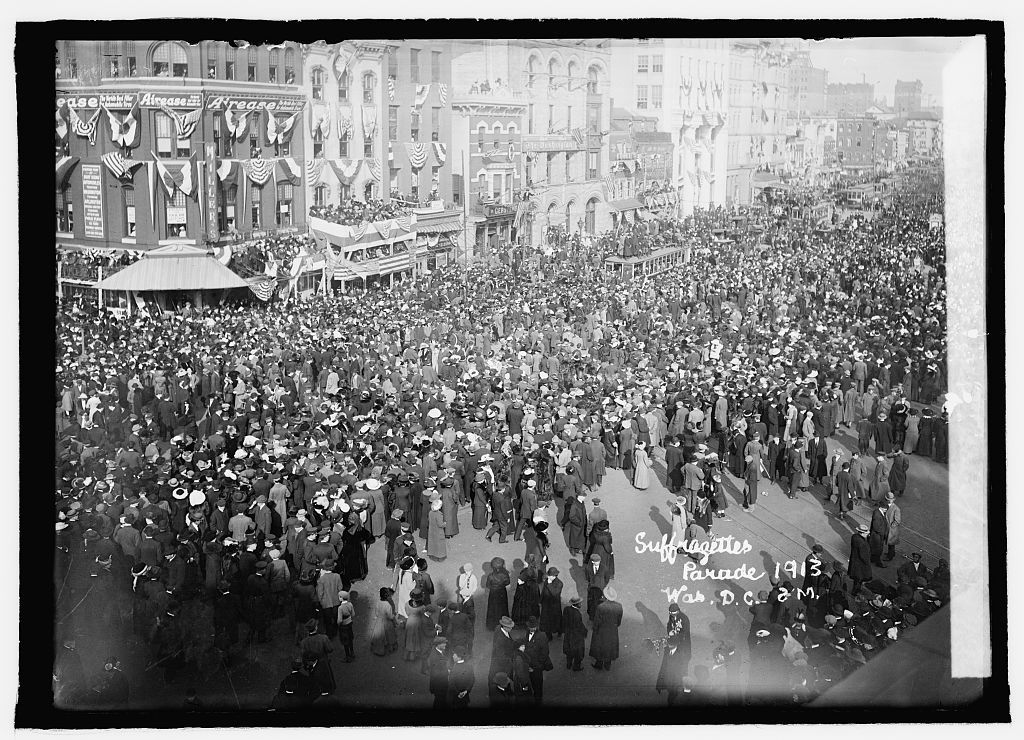
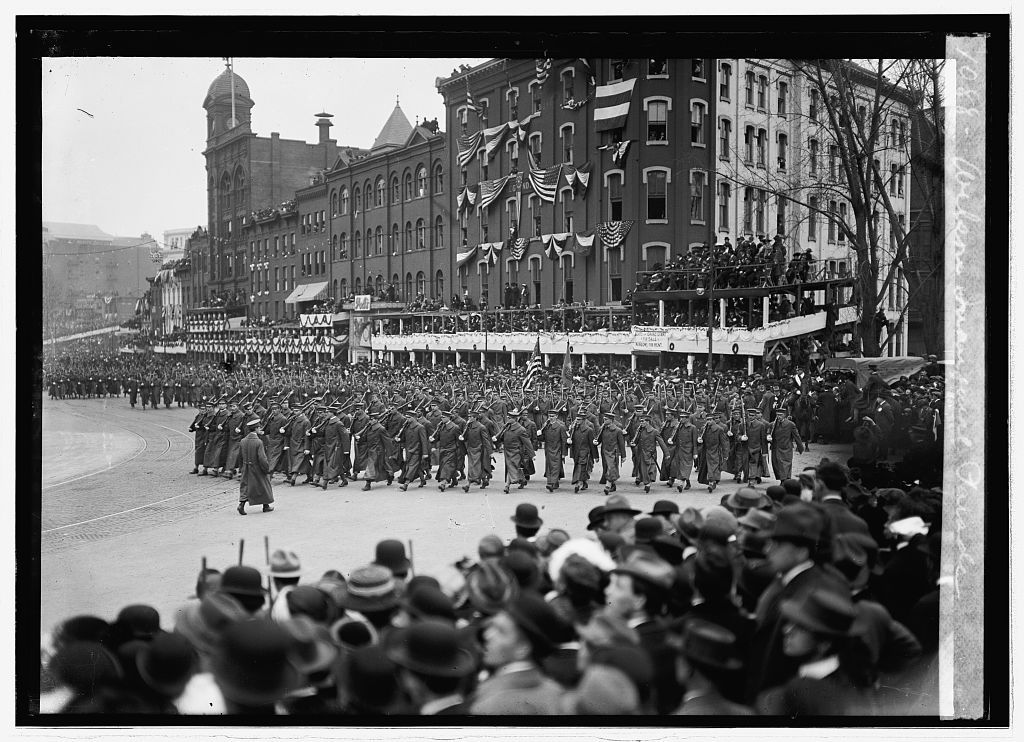
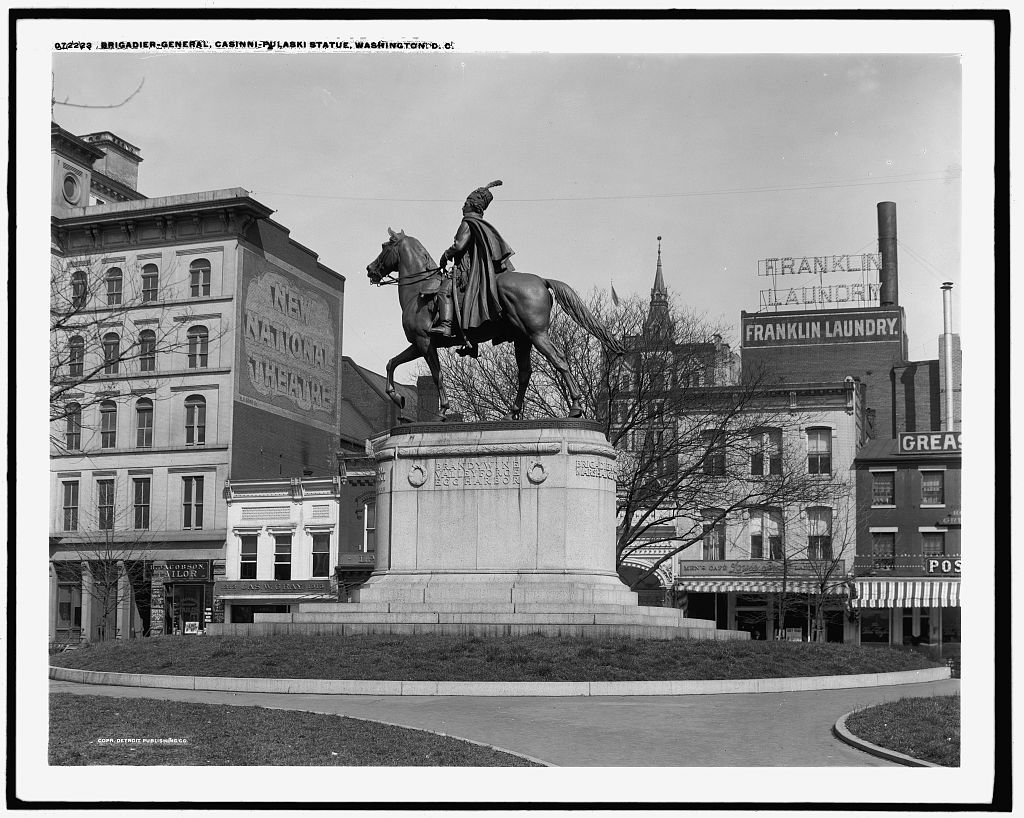
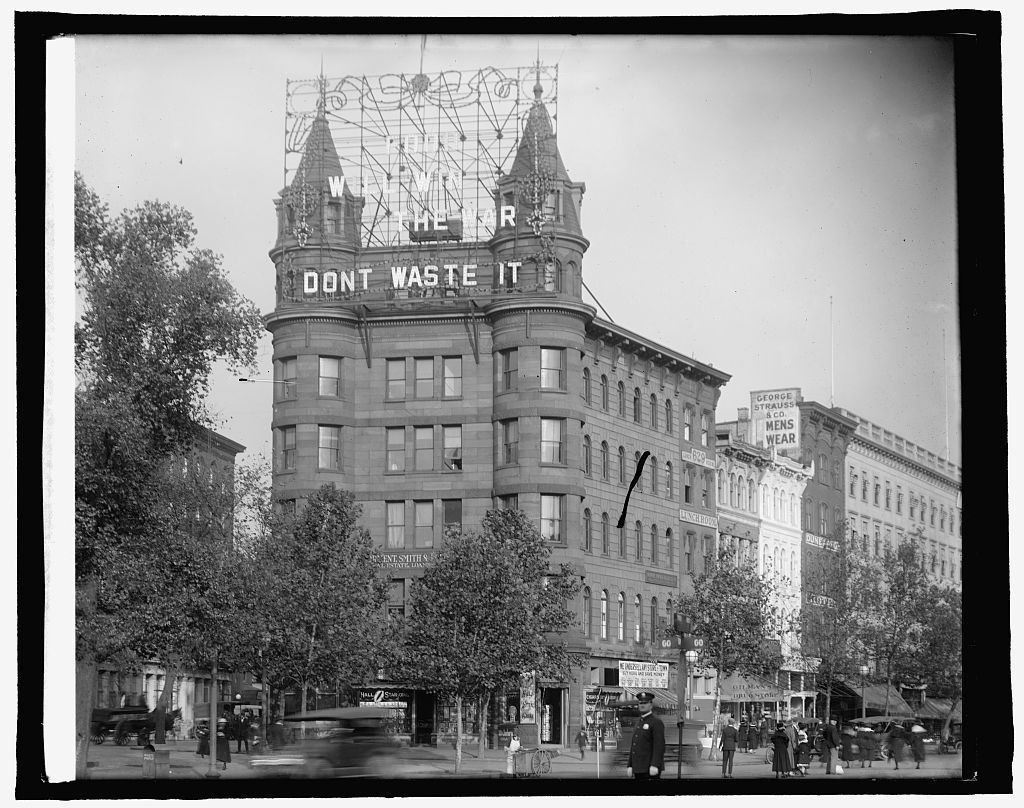
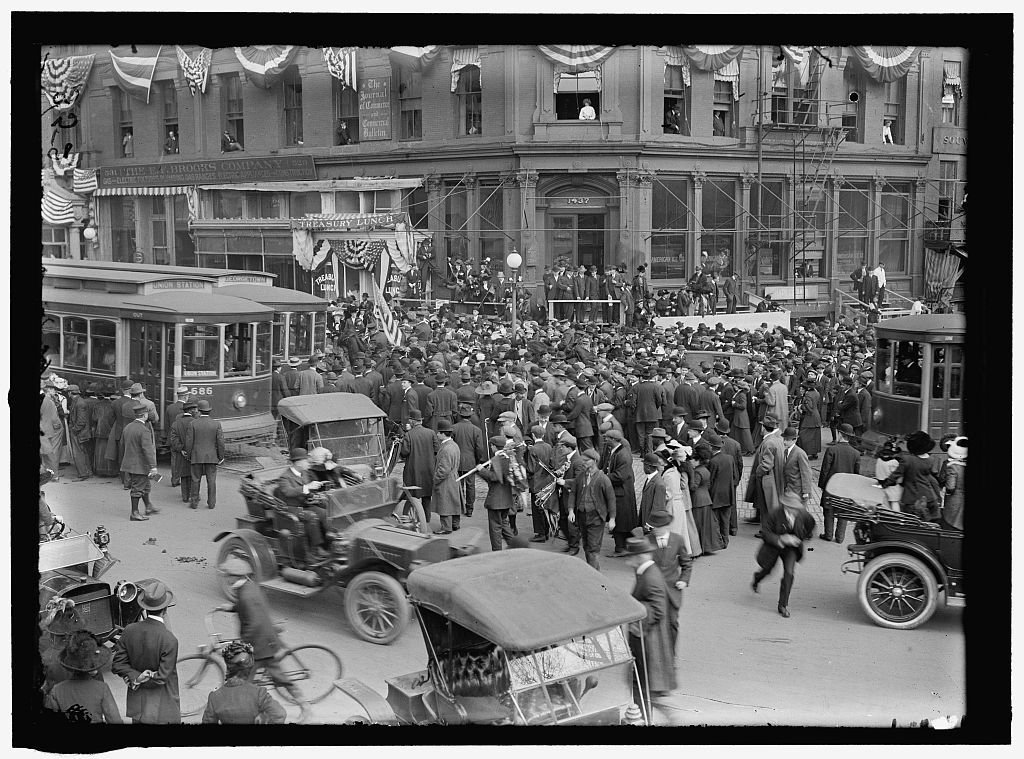
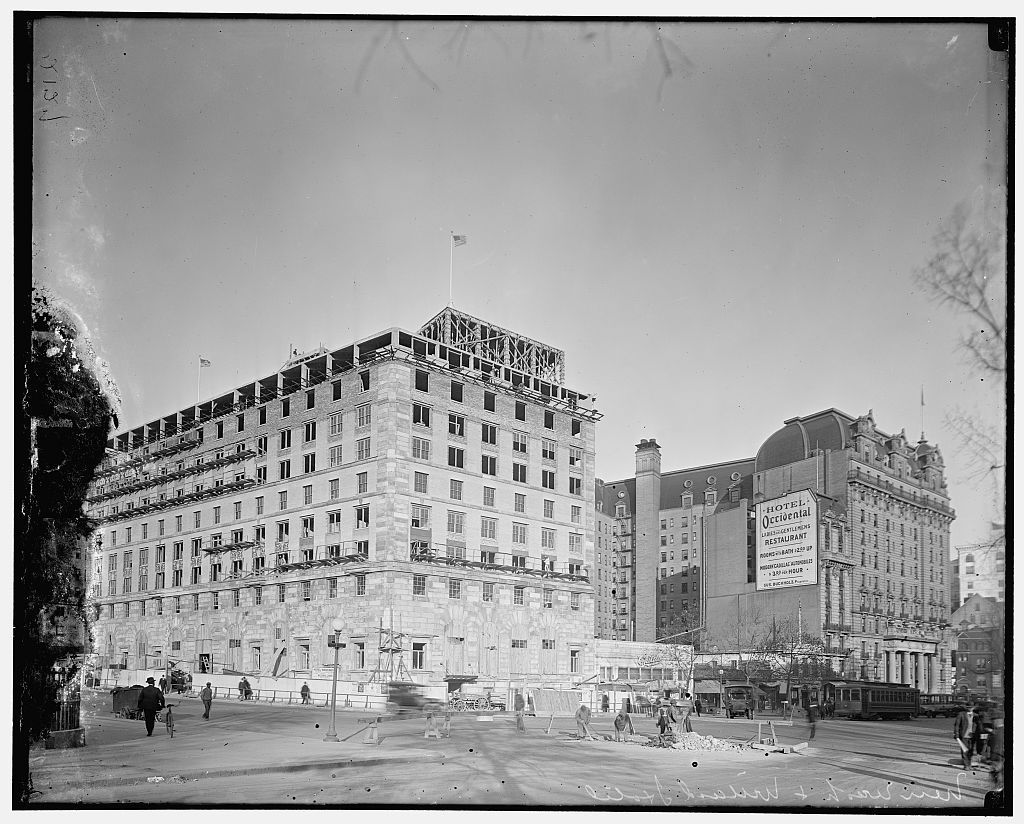
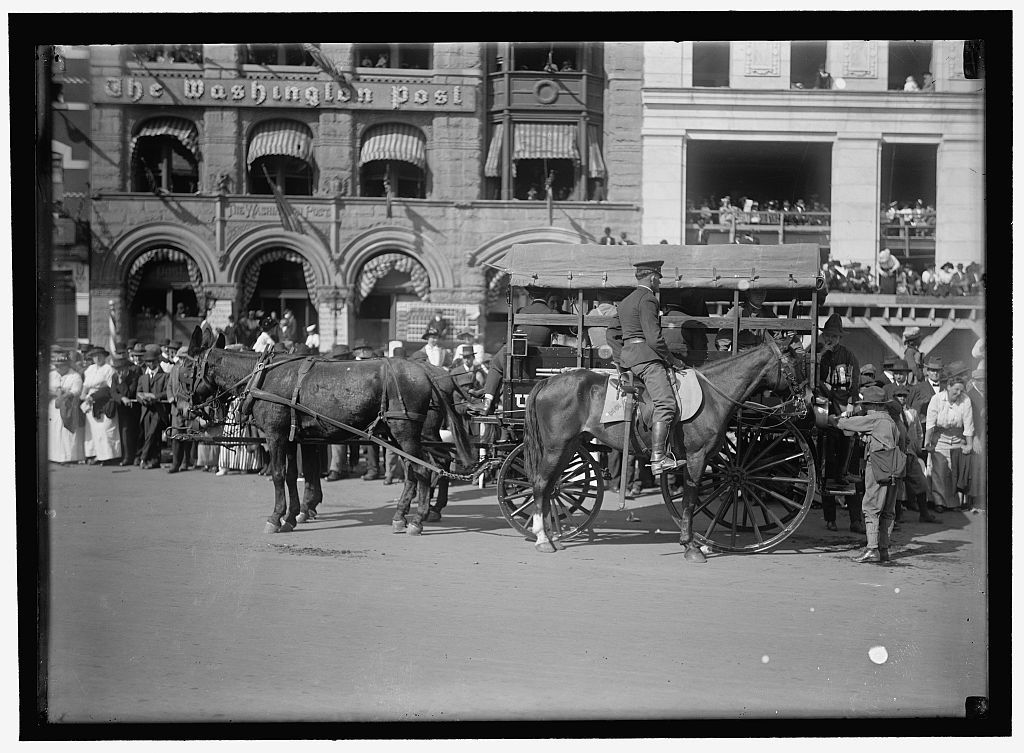
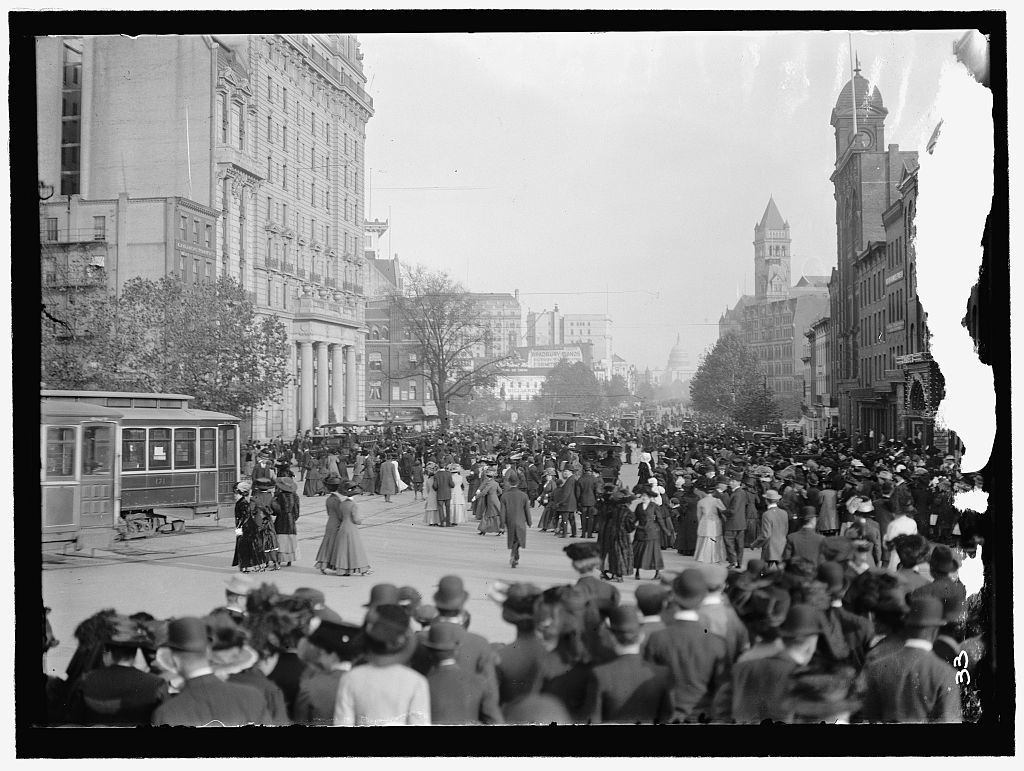
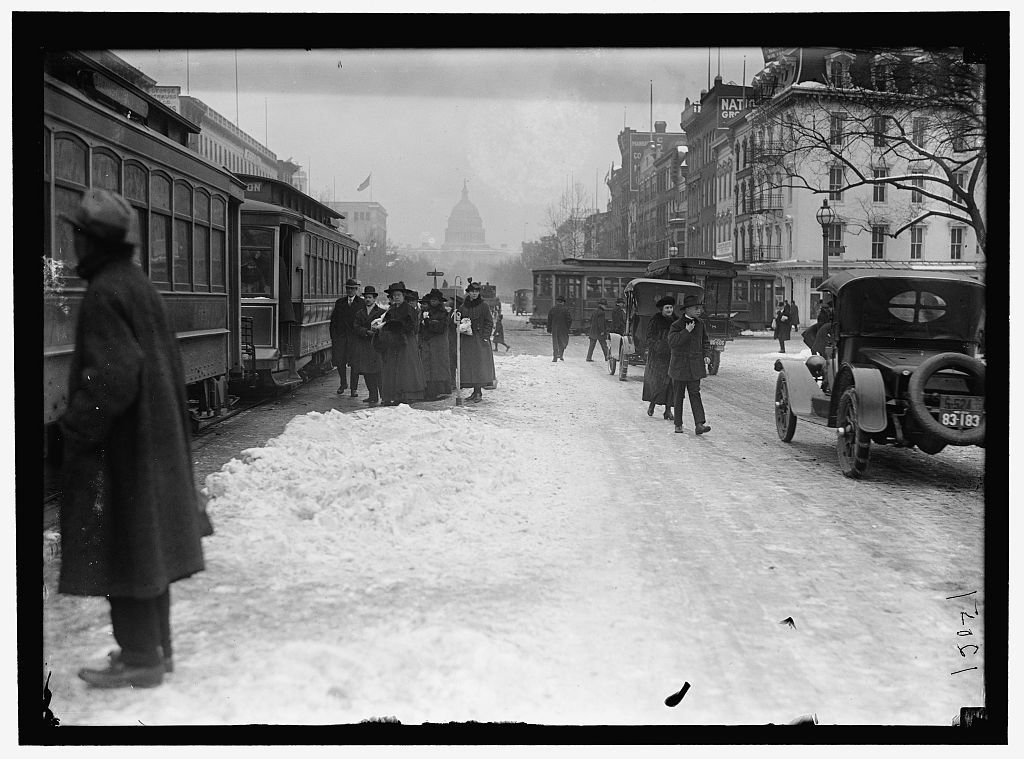
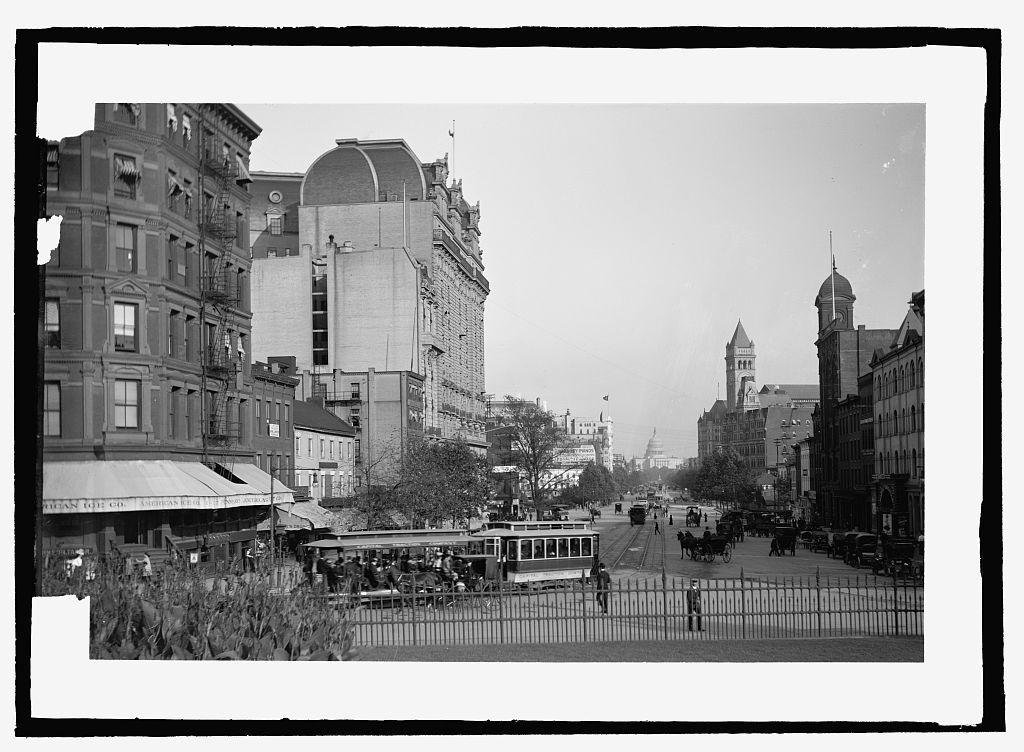
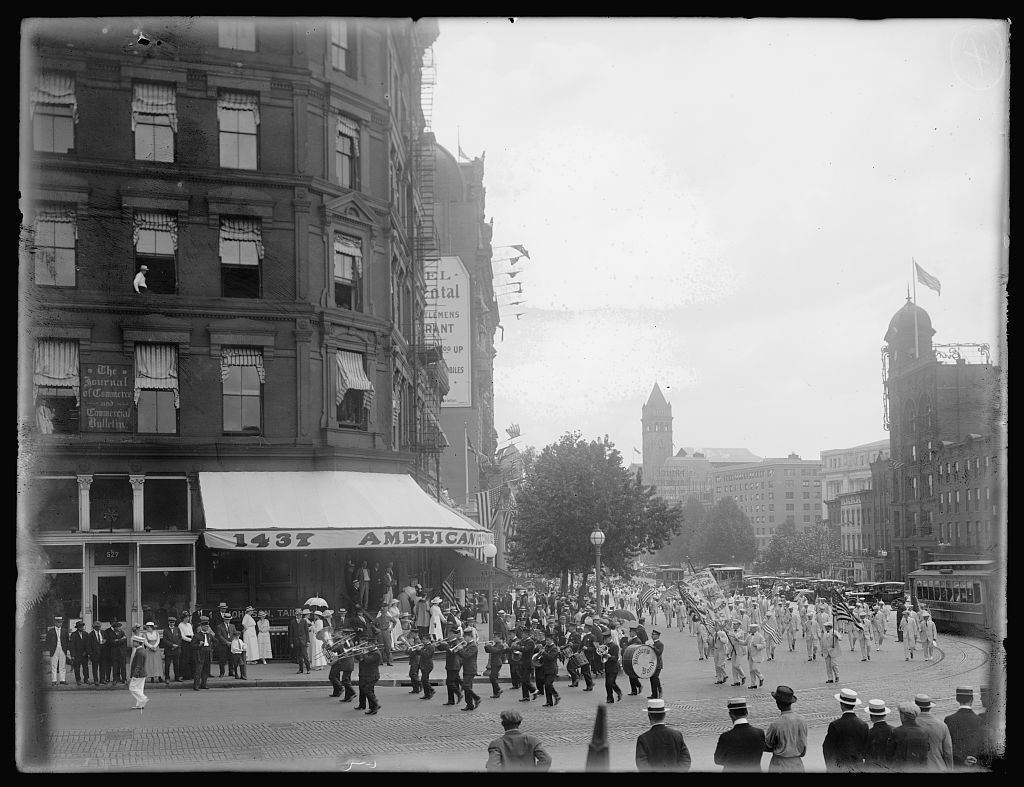
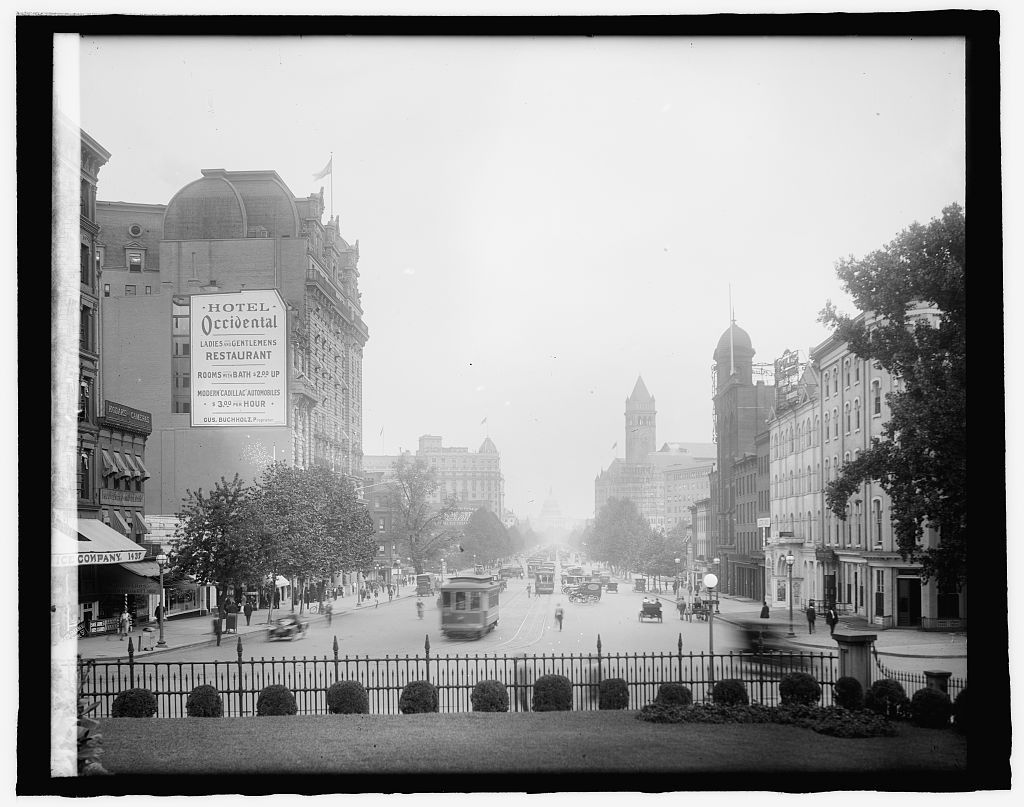
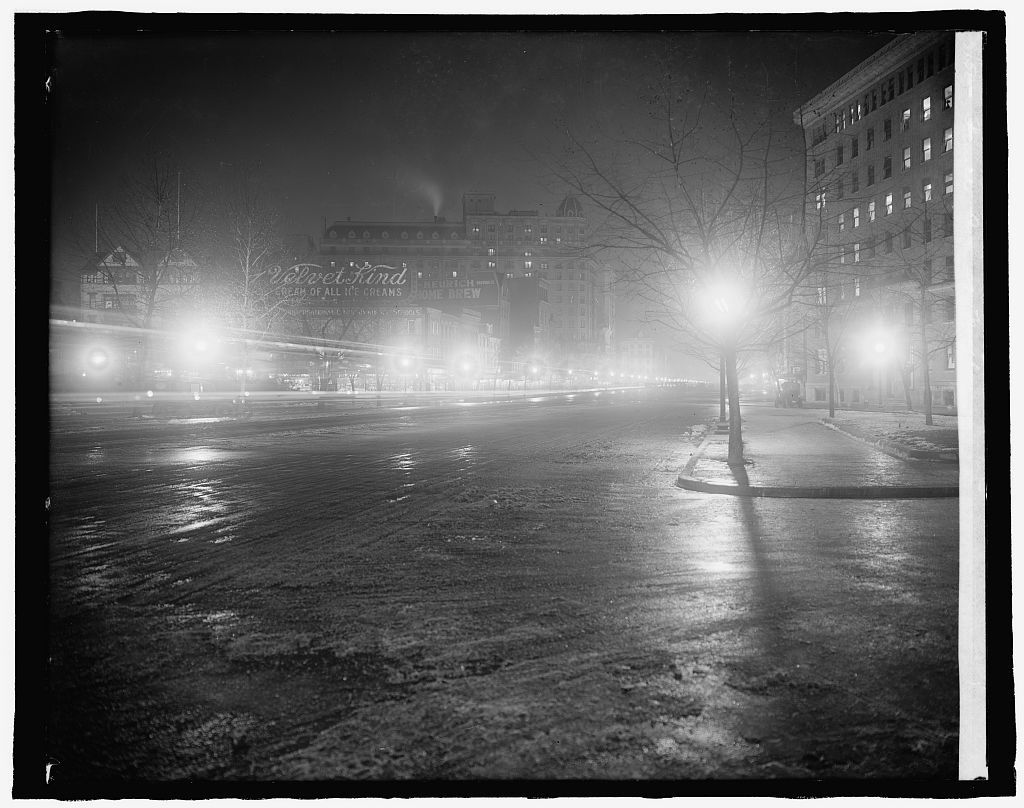
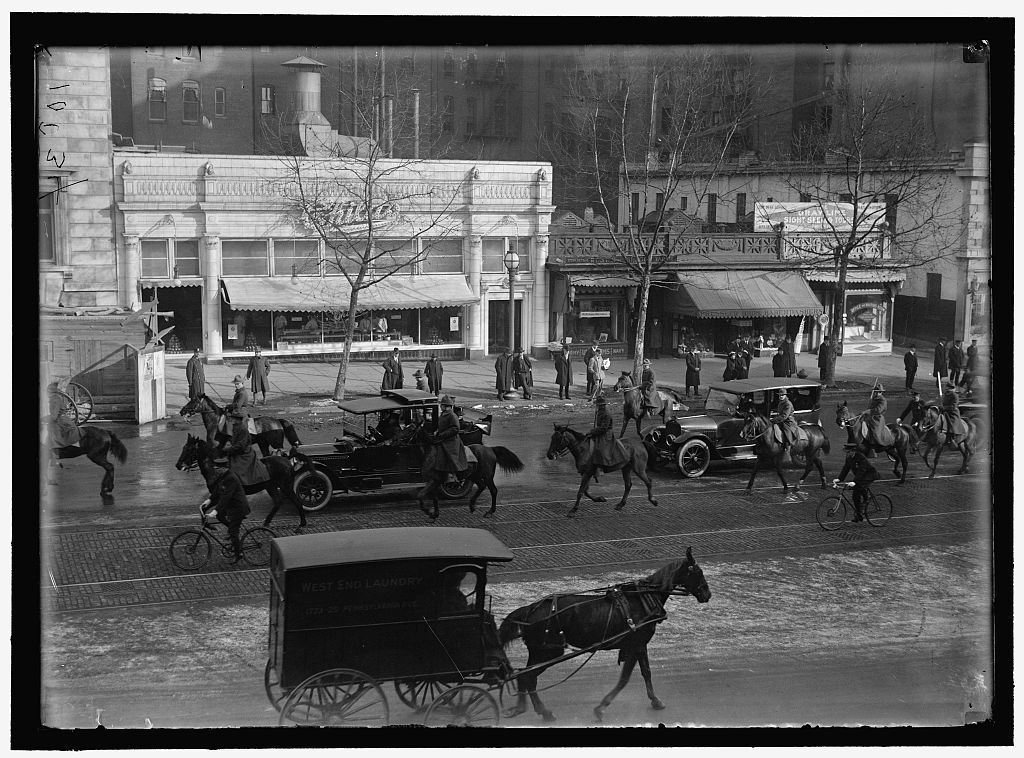
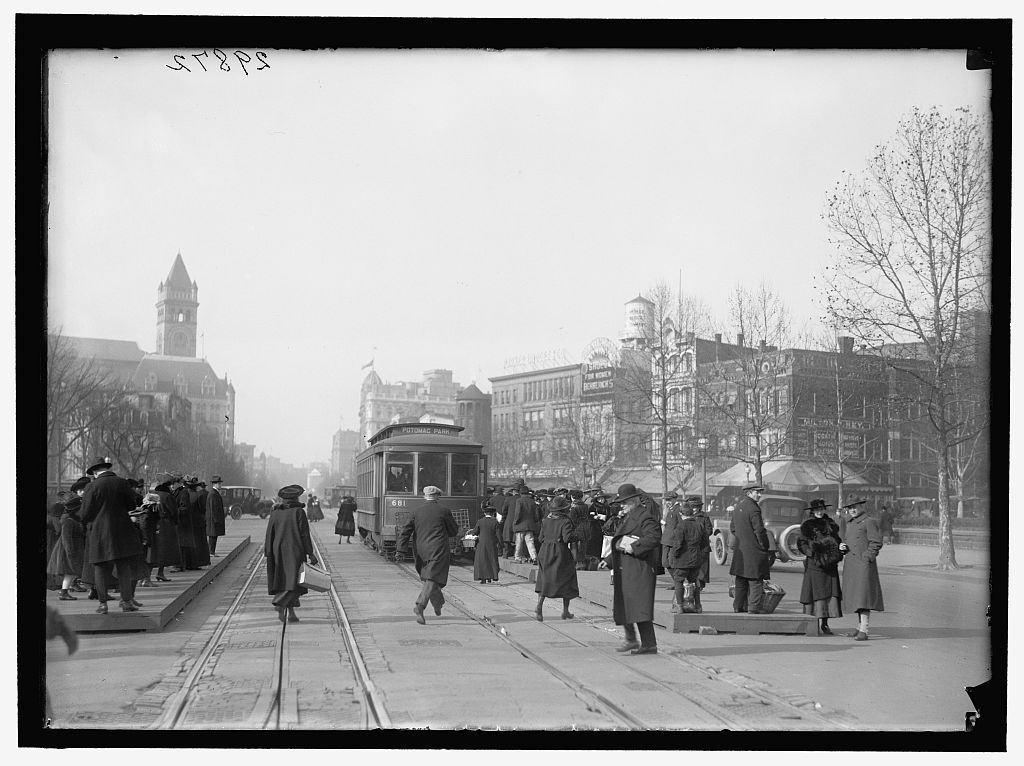
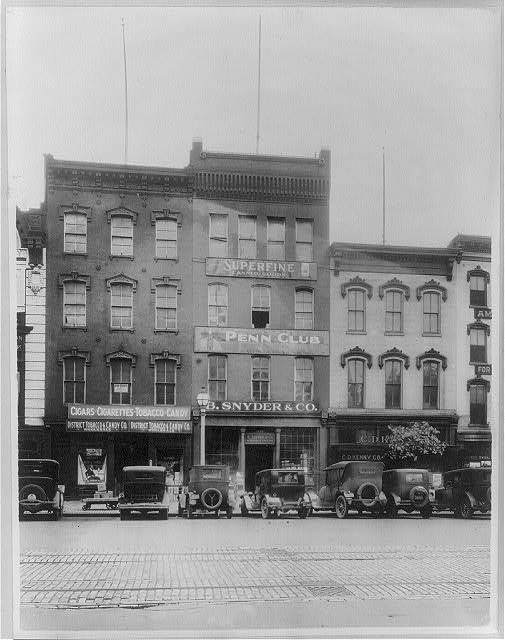
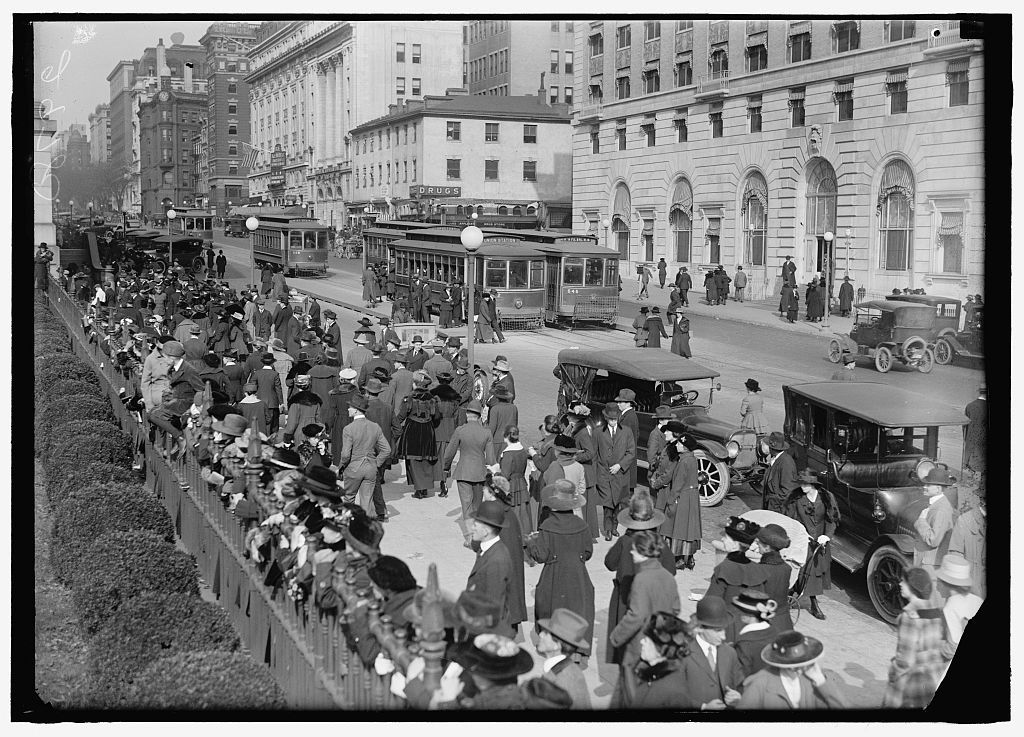
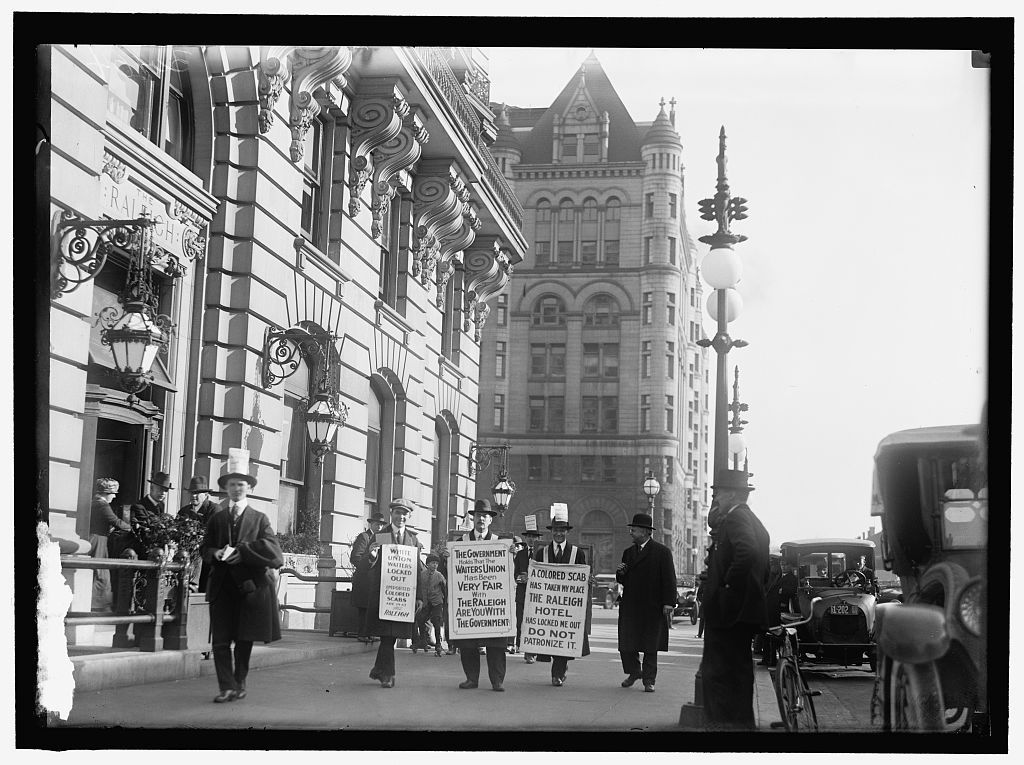
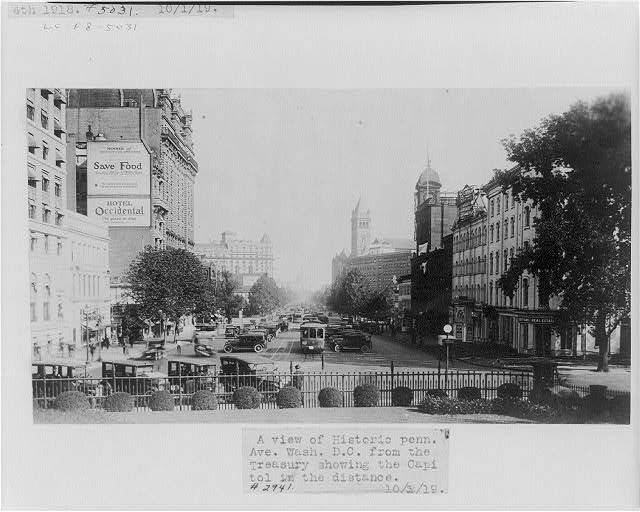
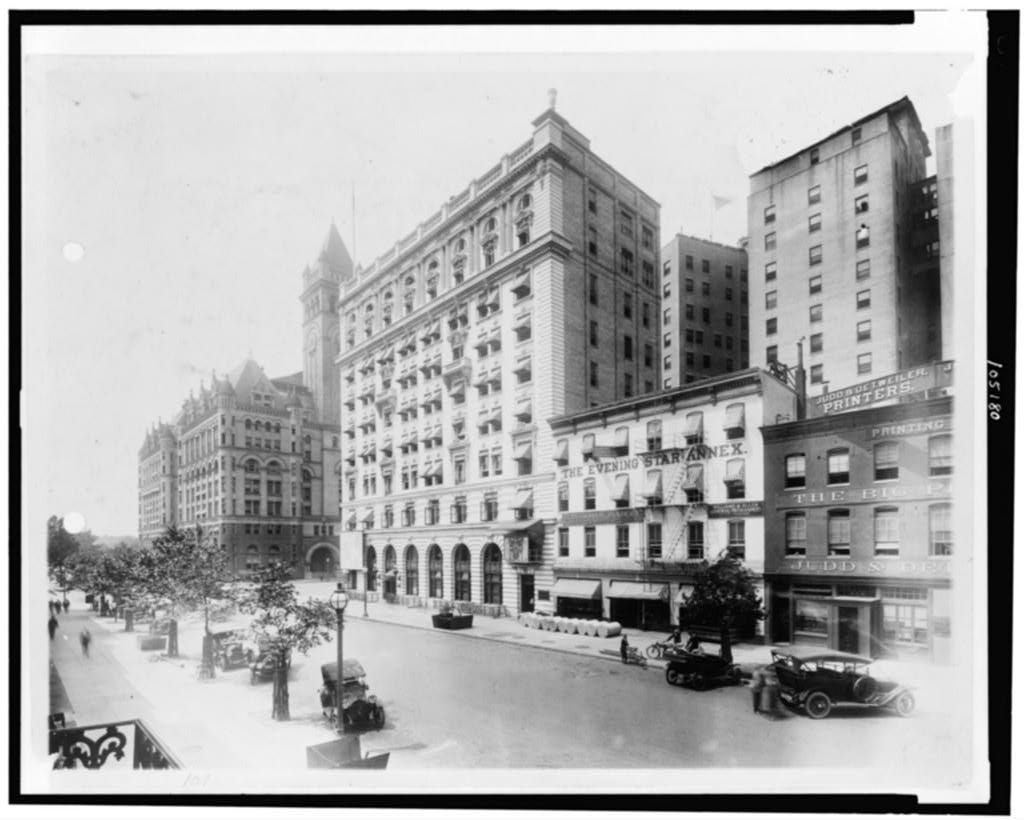
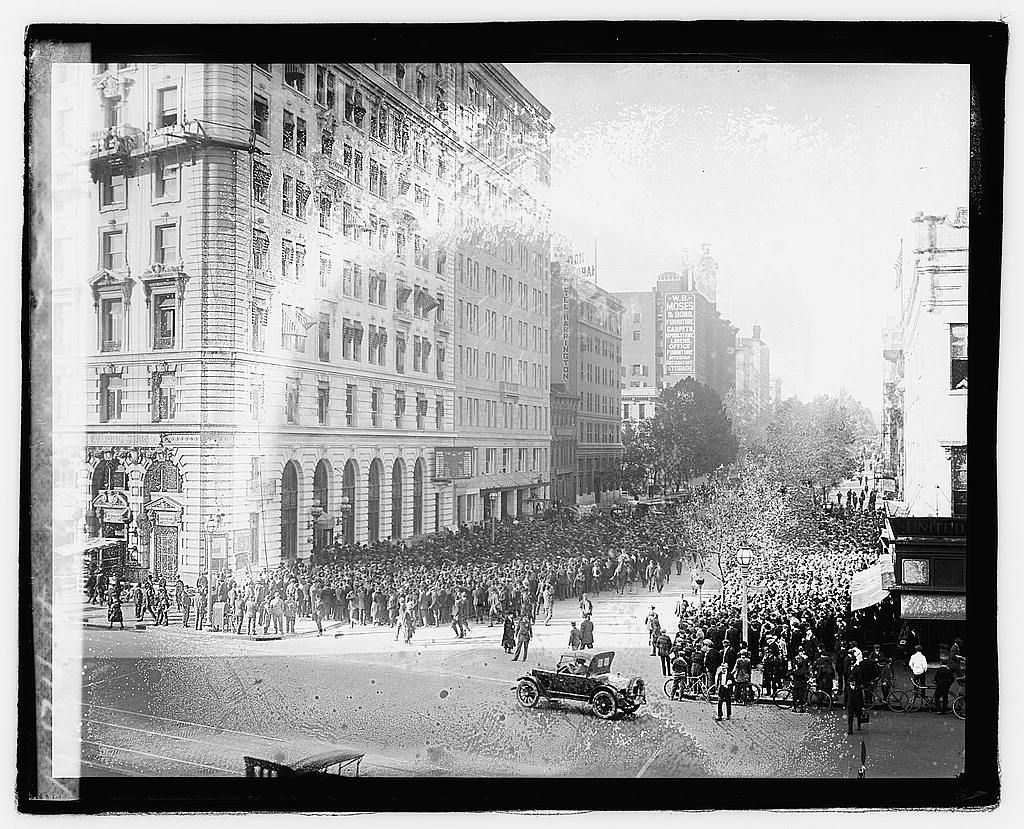
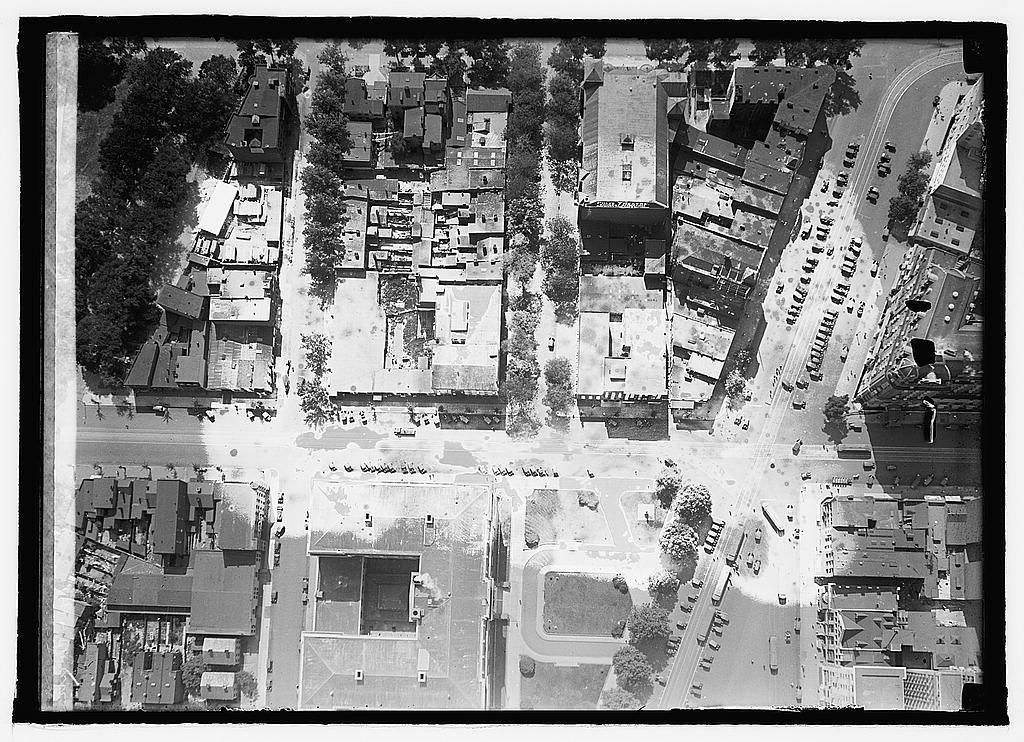
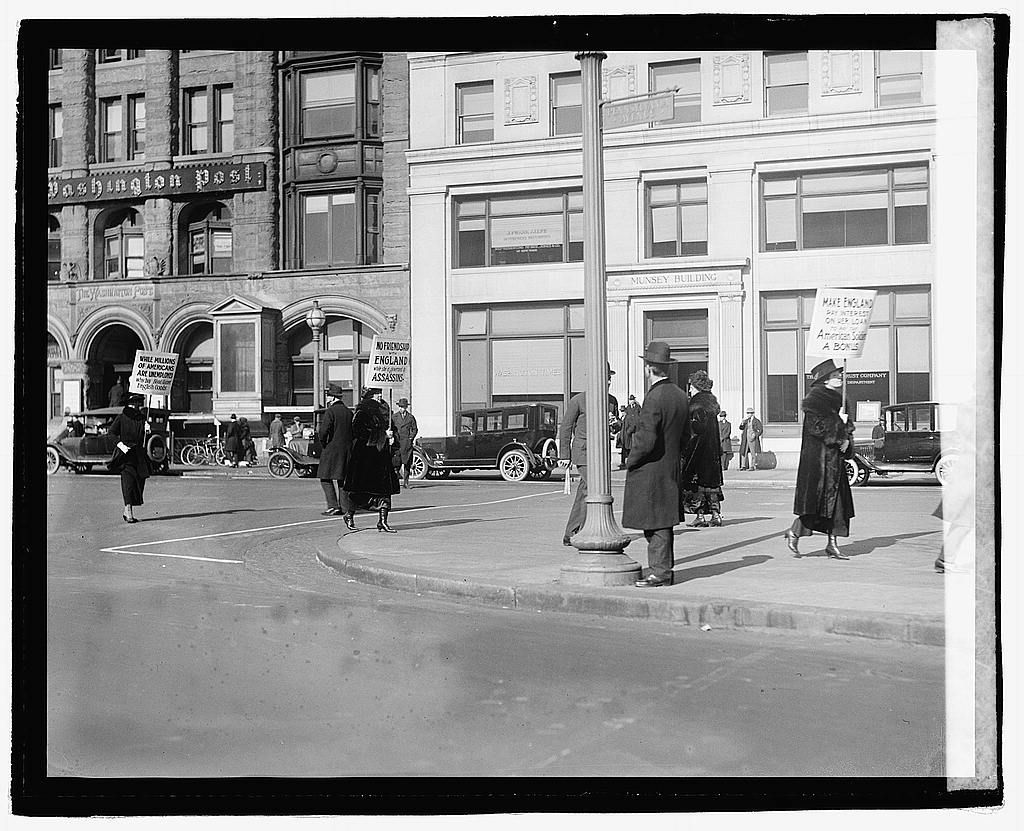
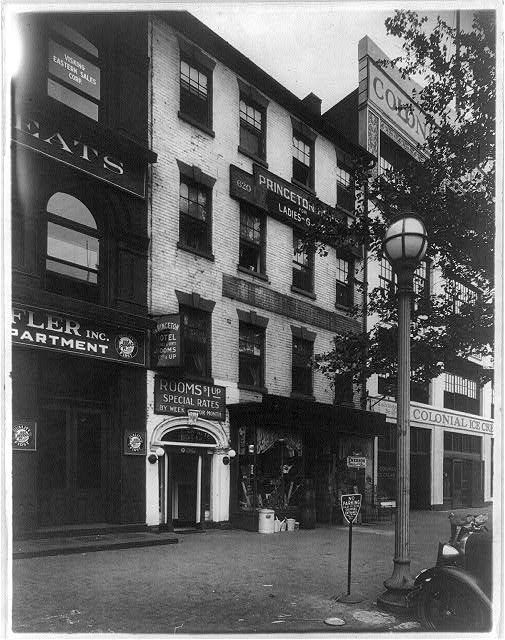
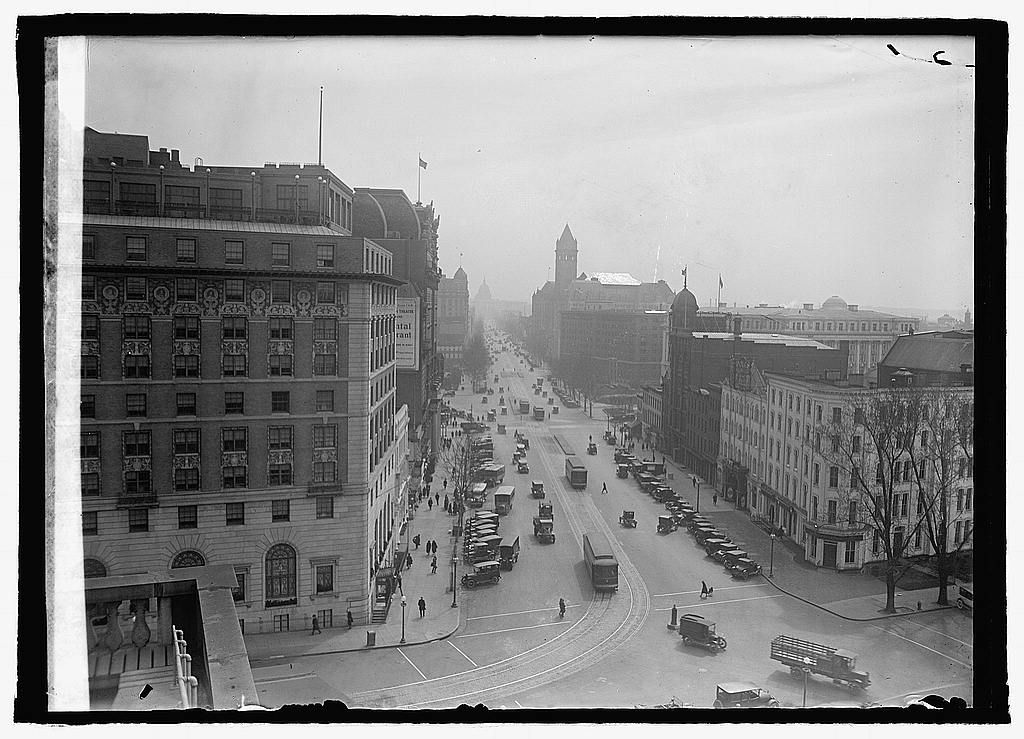
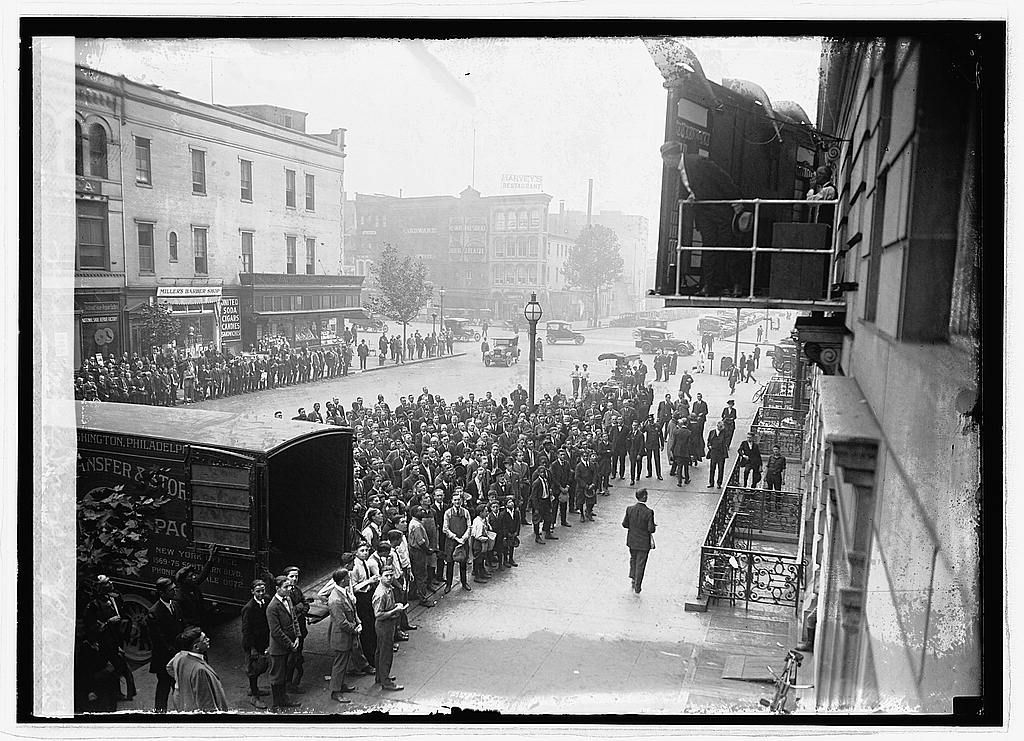
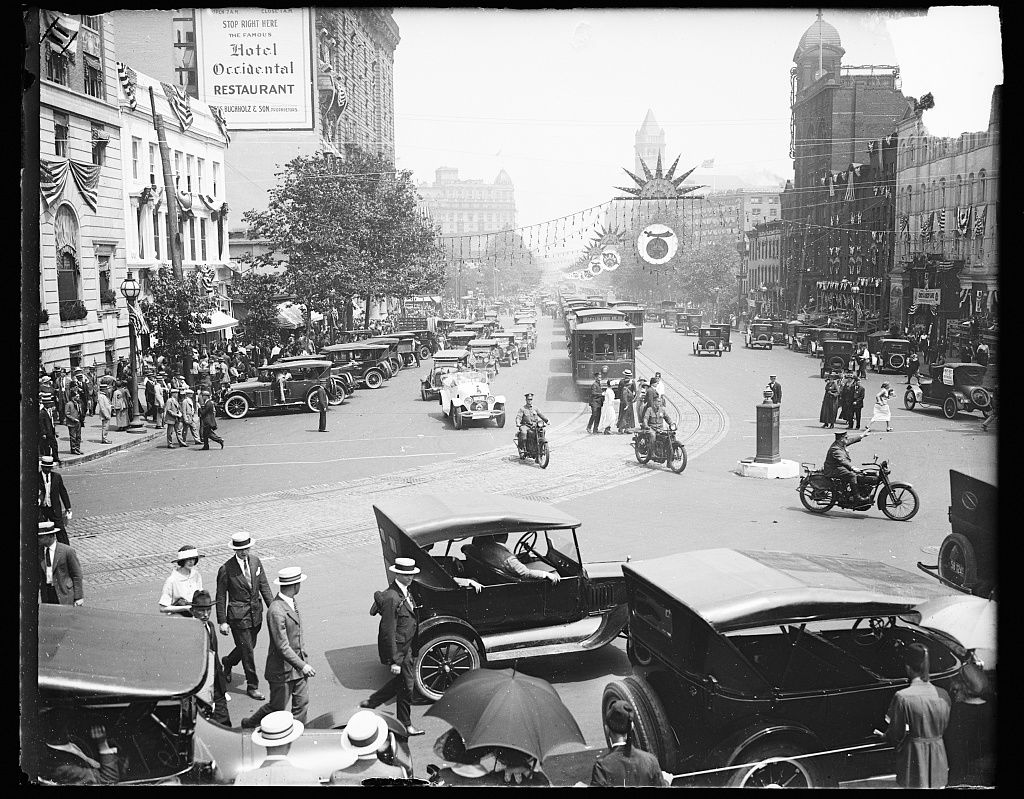
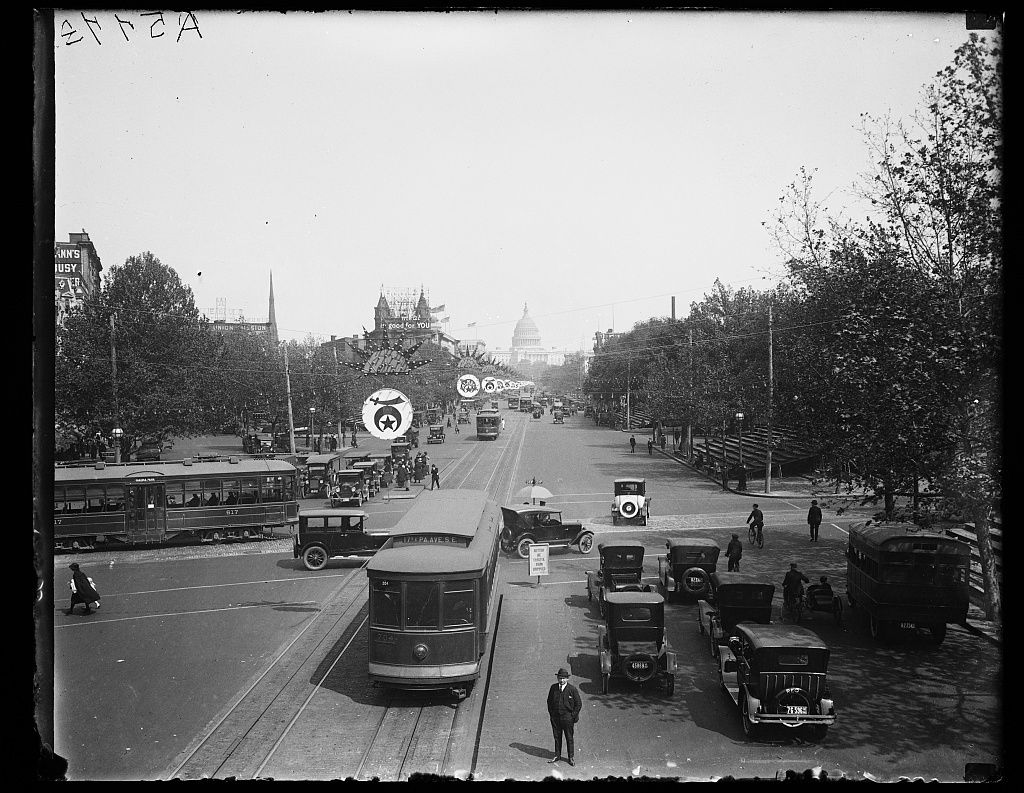
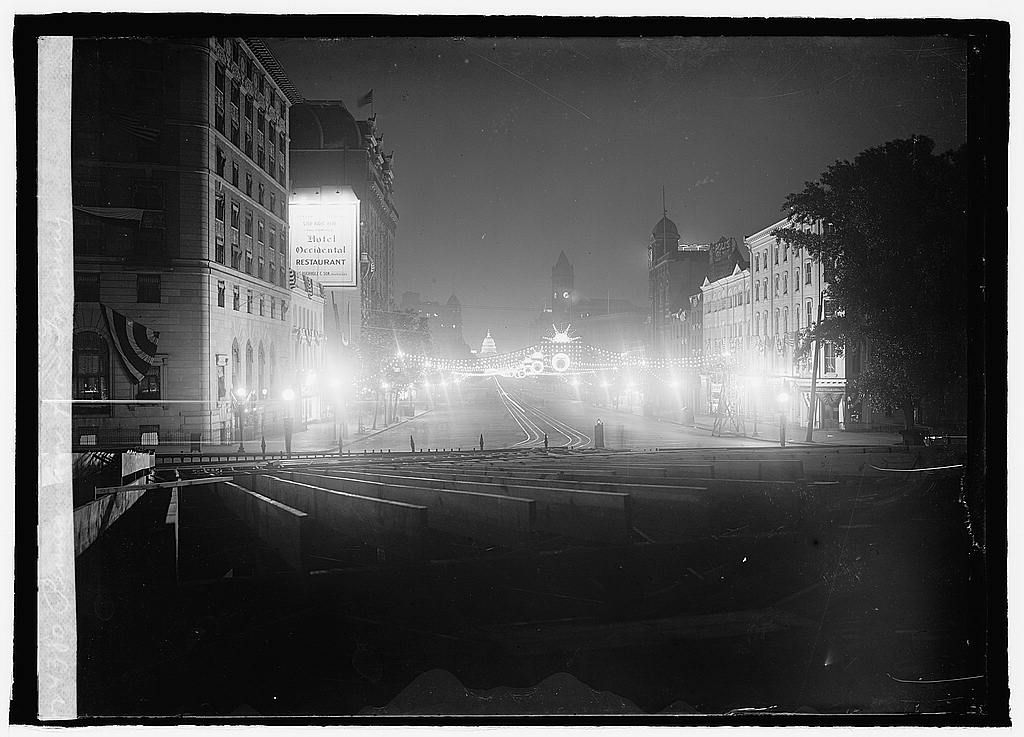
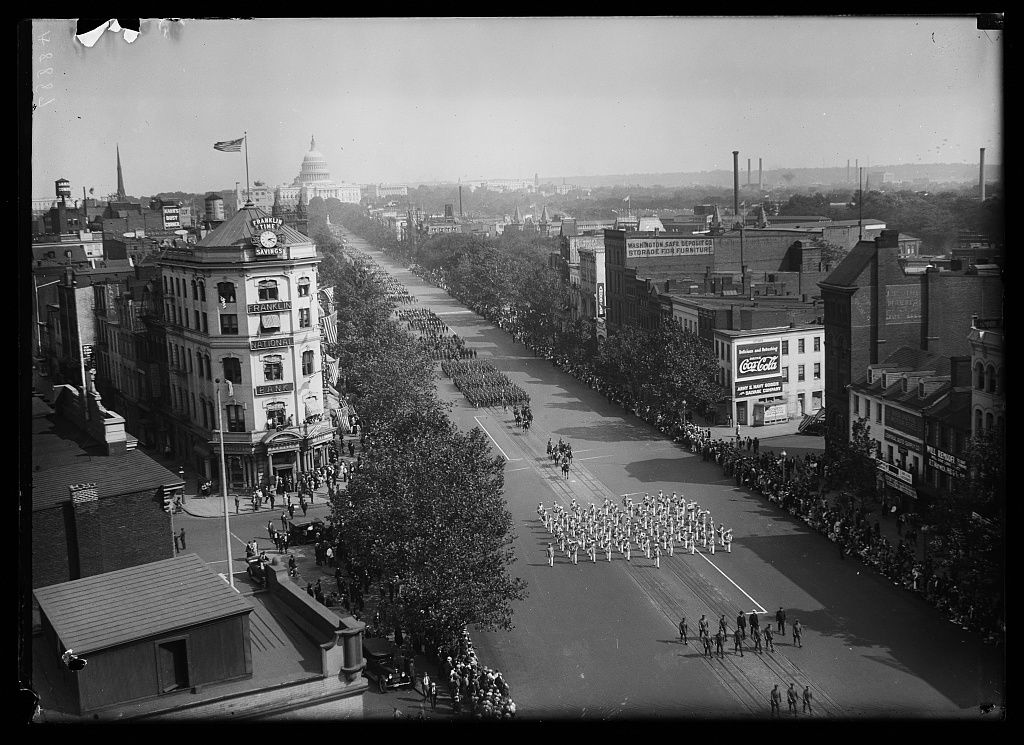
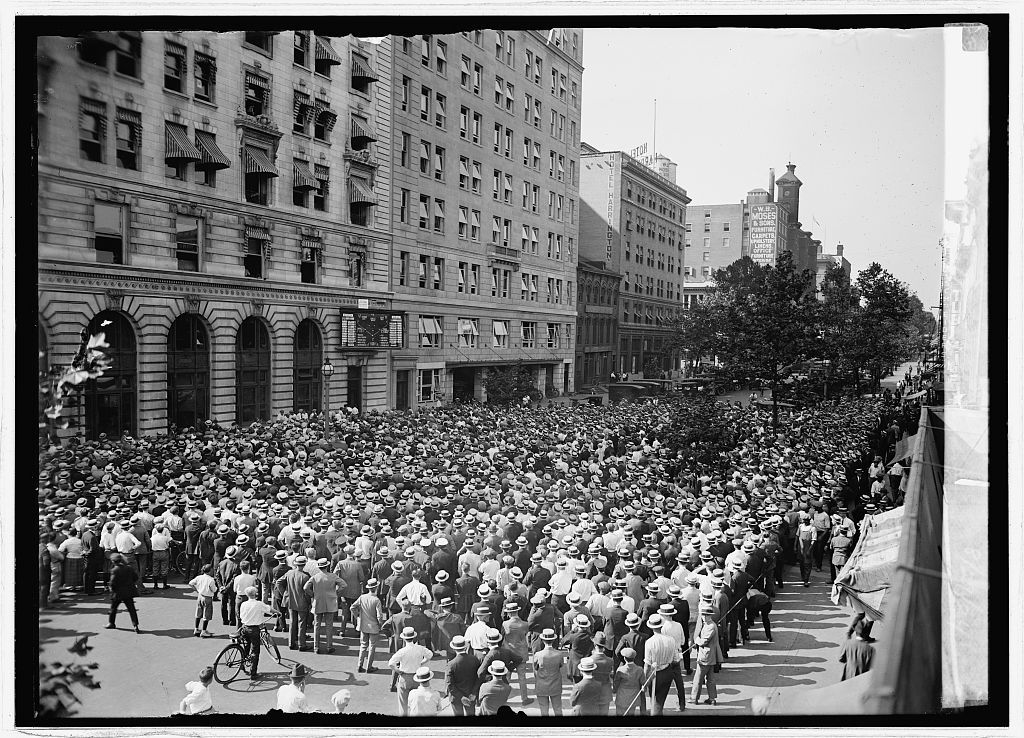
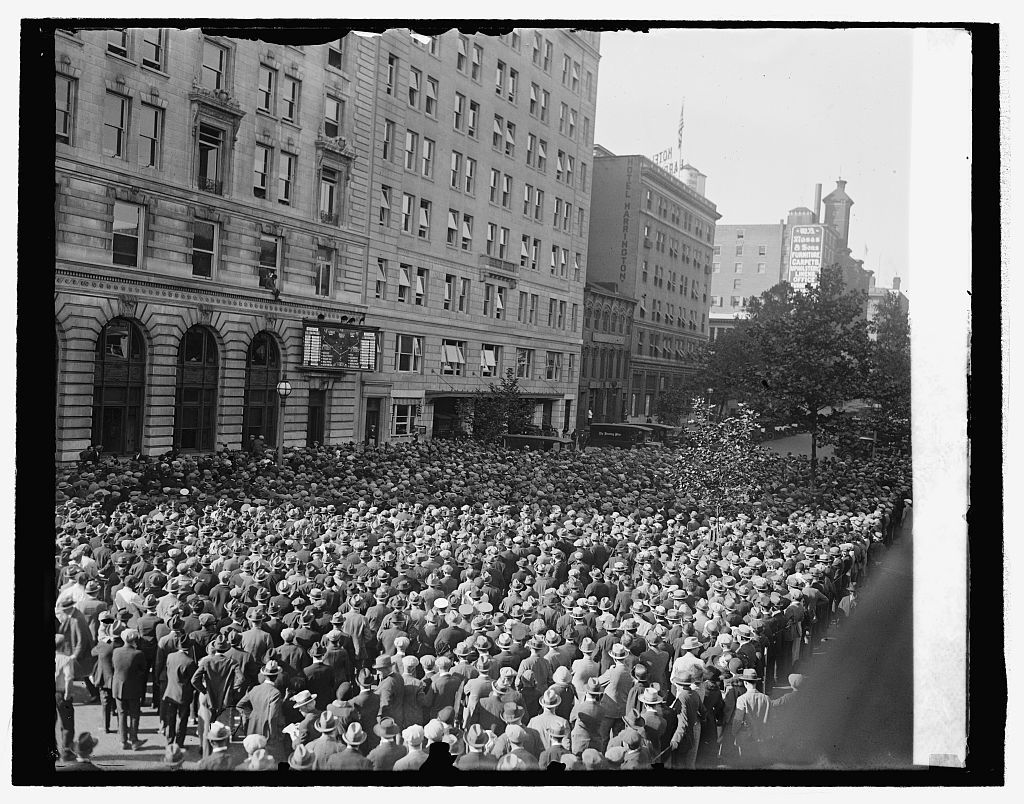
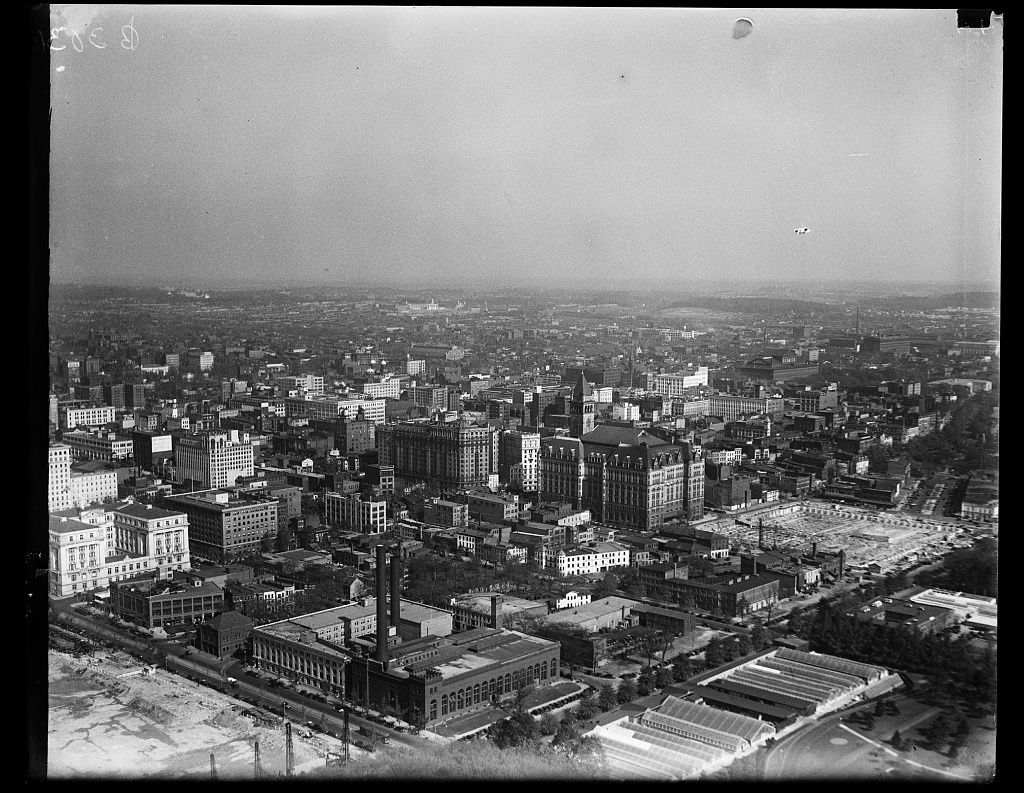
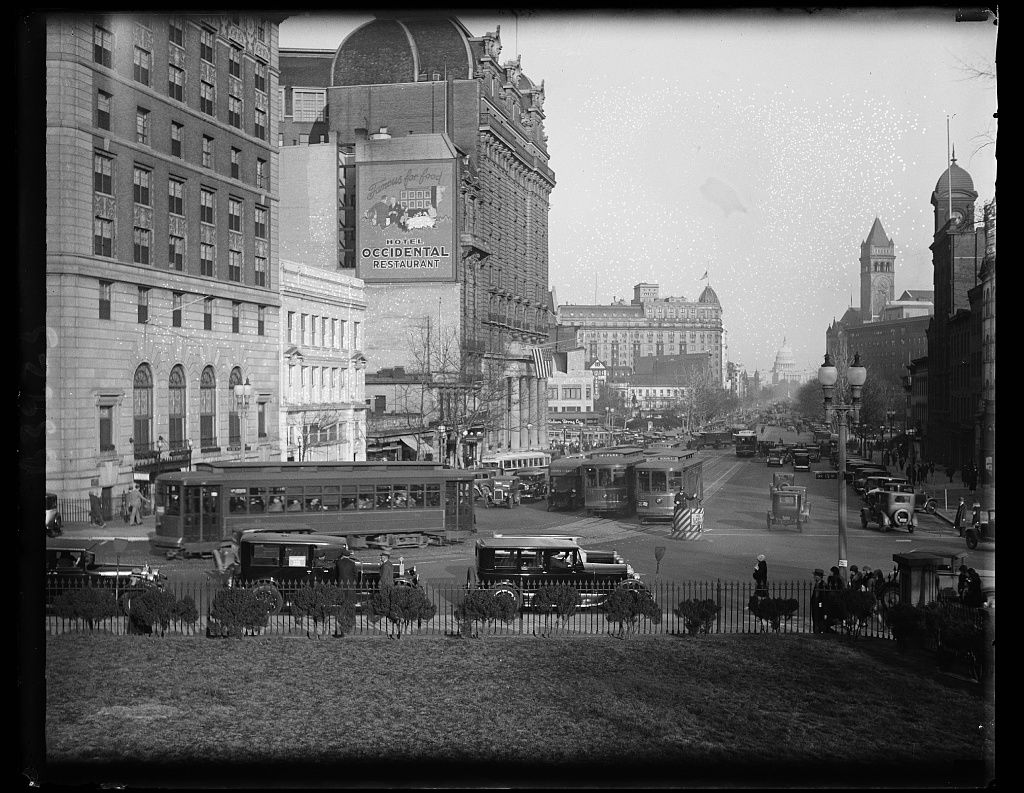
Pierre L’Enfant’s plan of 1791 made Pennsylvania Avenue the link between the “Congress House” and the “President’s House”, and by the early 1900s it was the city’s main street: streetcars down the middle, hotels, newspaper offices and theatres along the north side, and the crowded blocks of shops, lodging houses and markets on the south side that the Federal Triangle would later replace.
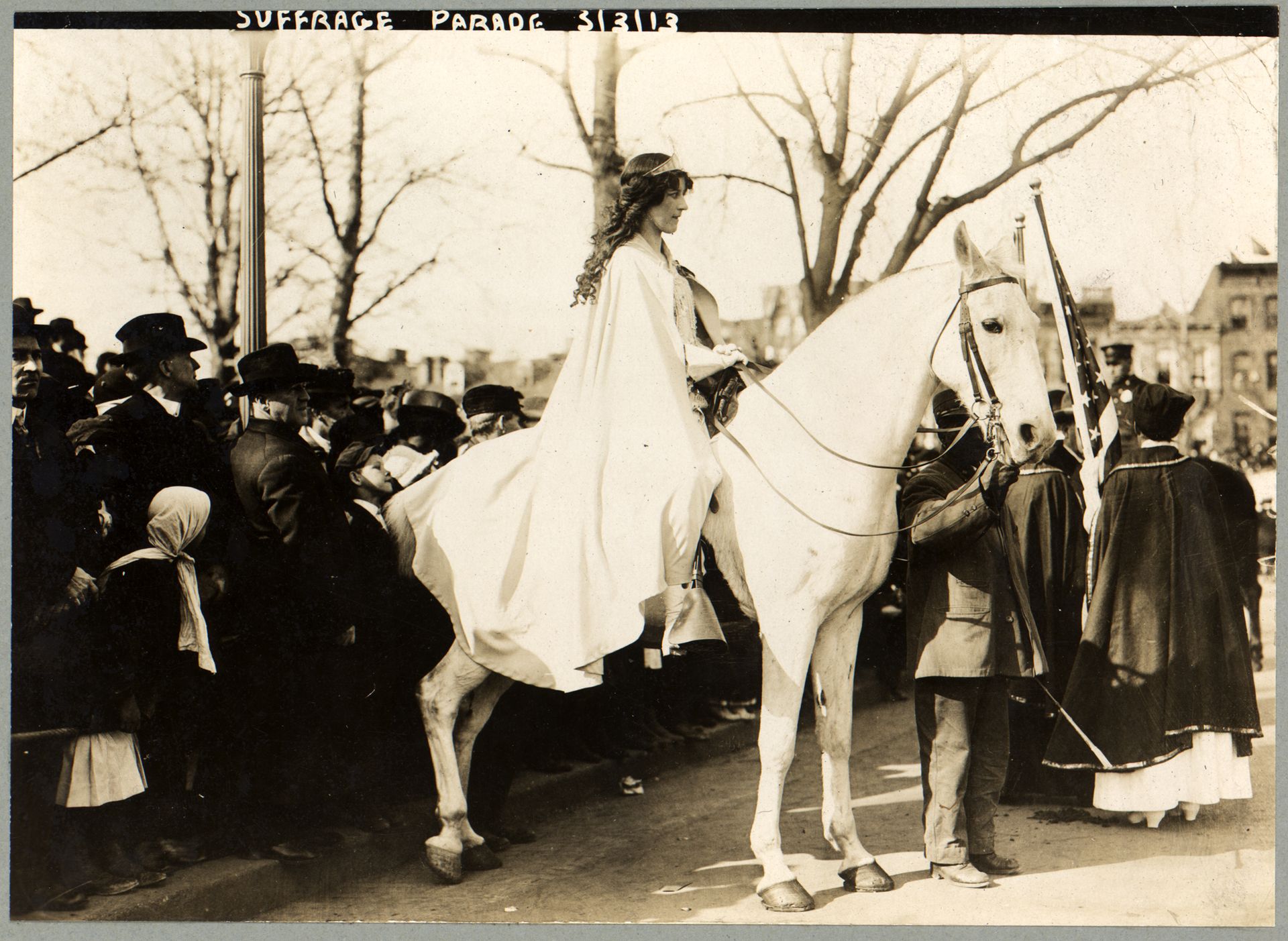
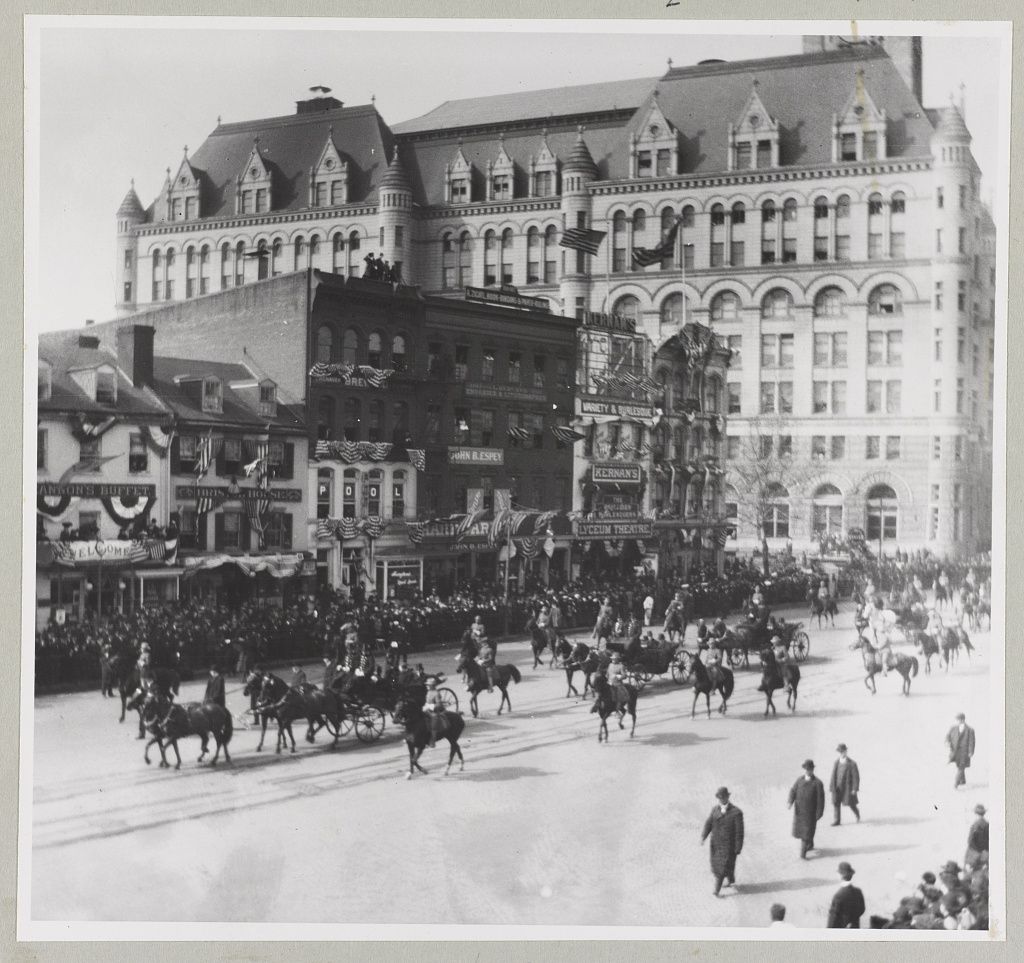
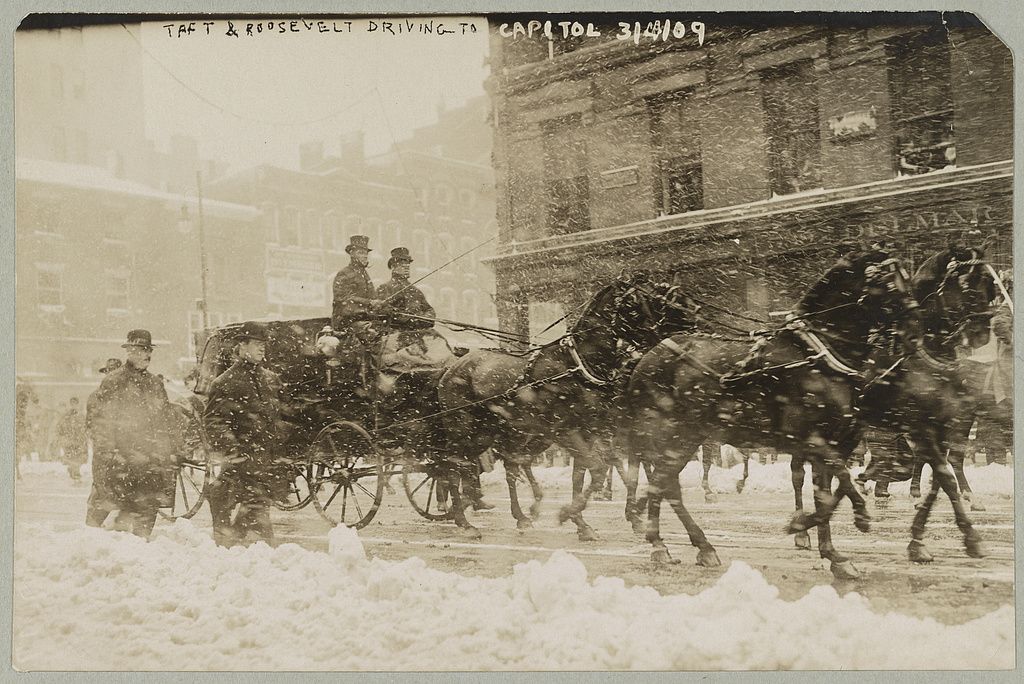
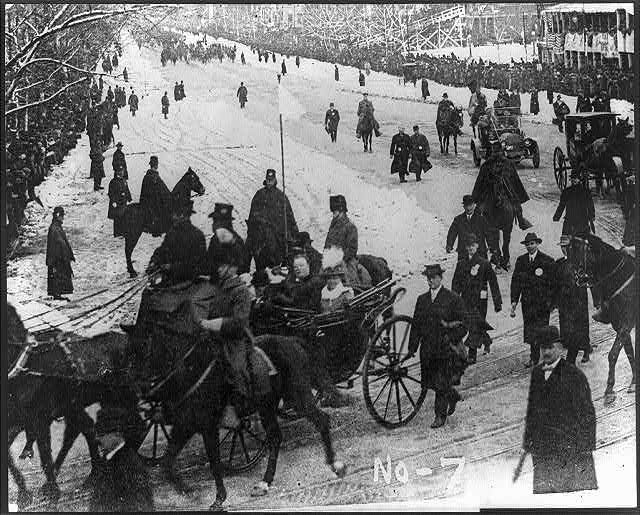
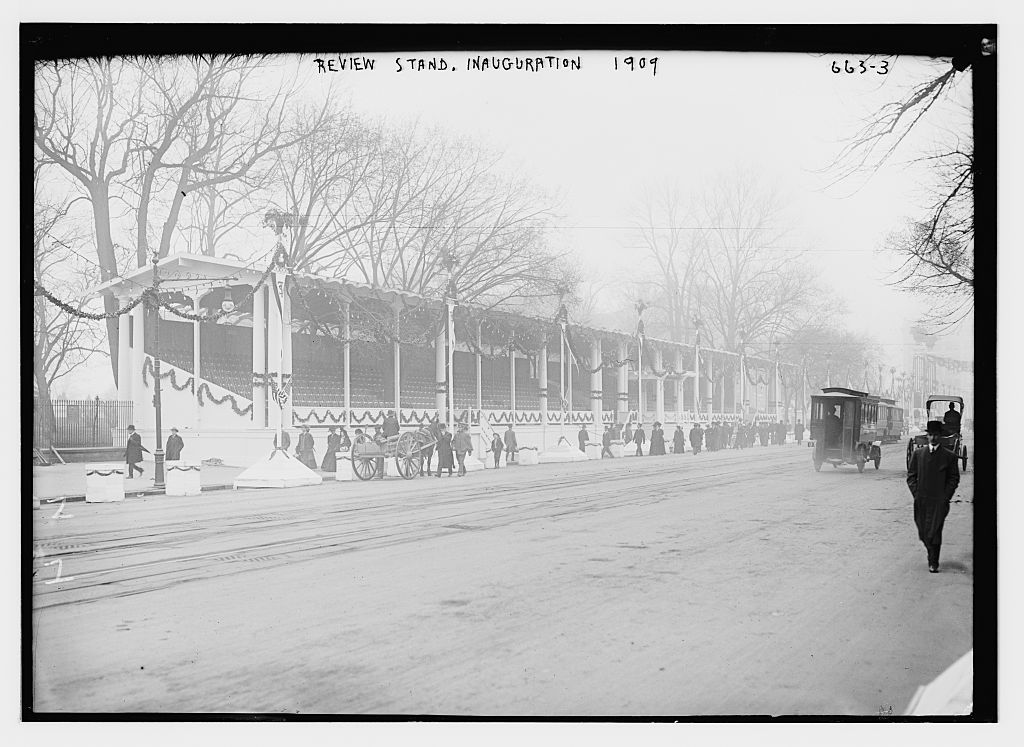
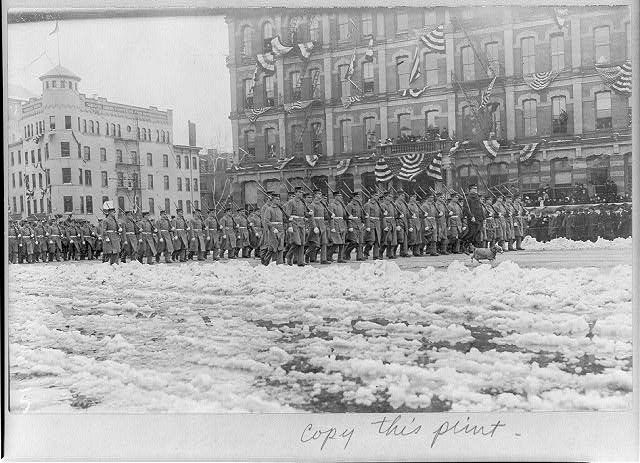
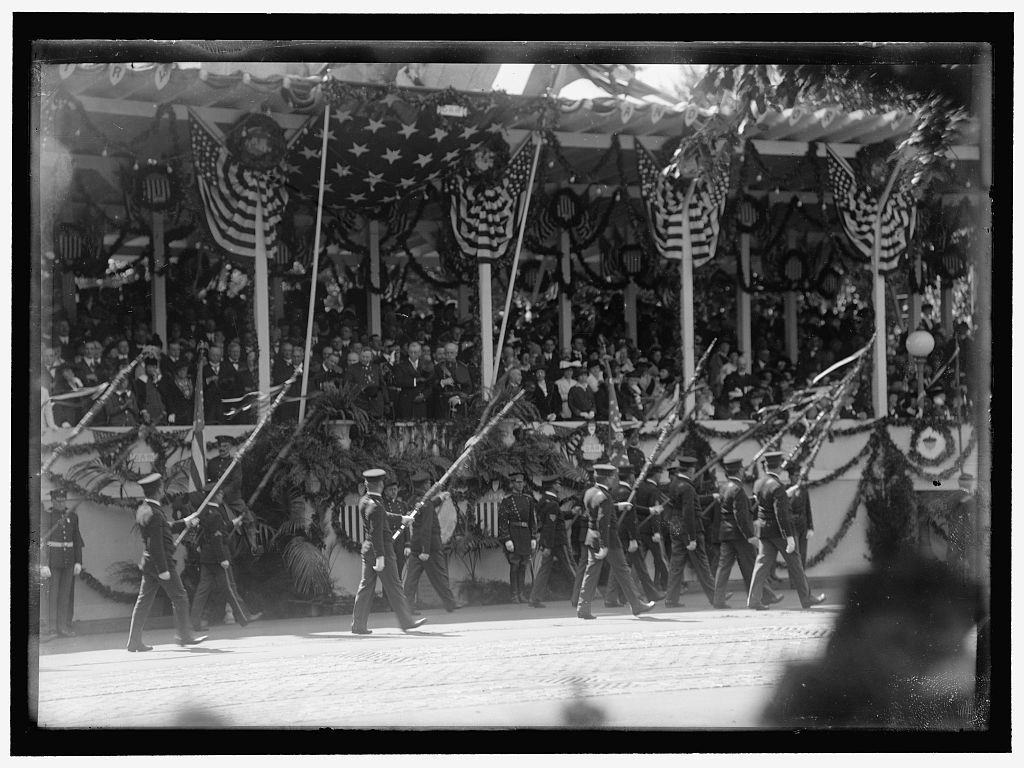
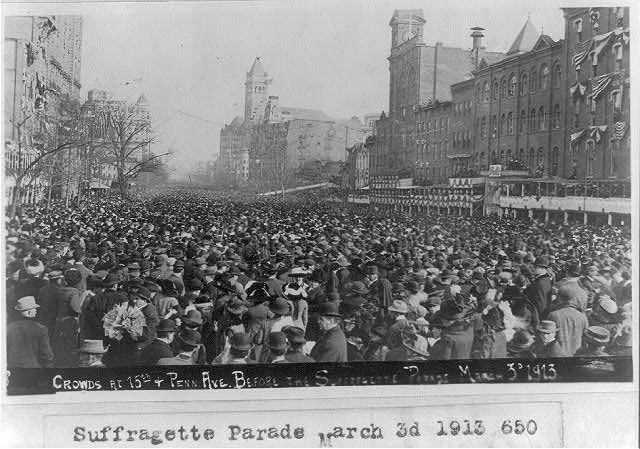
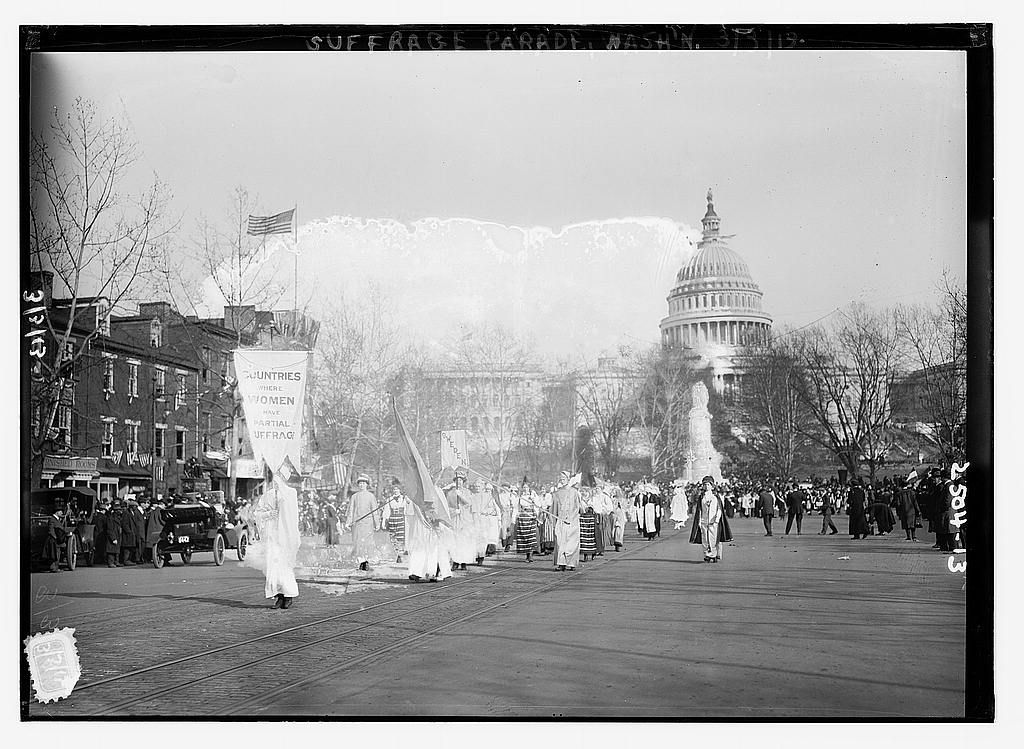
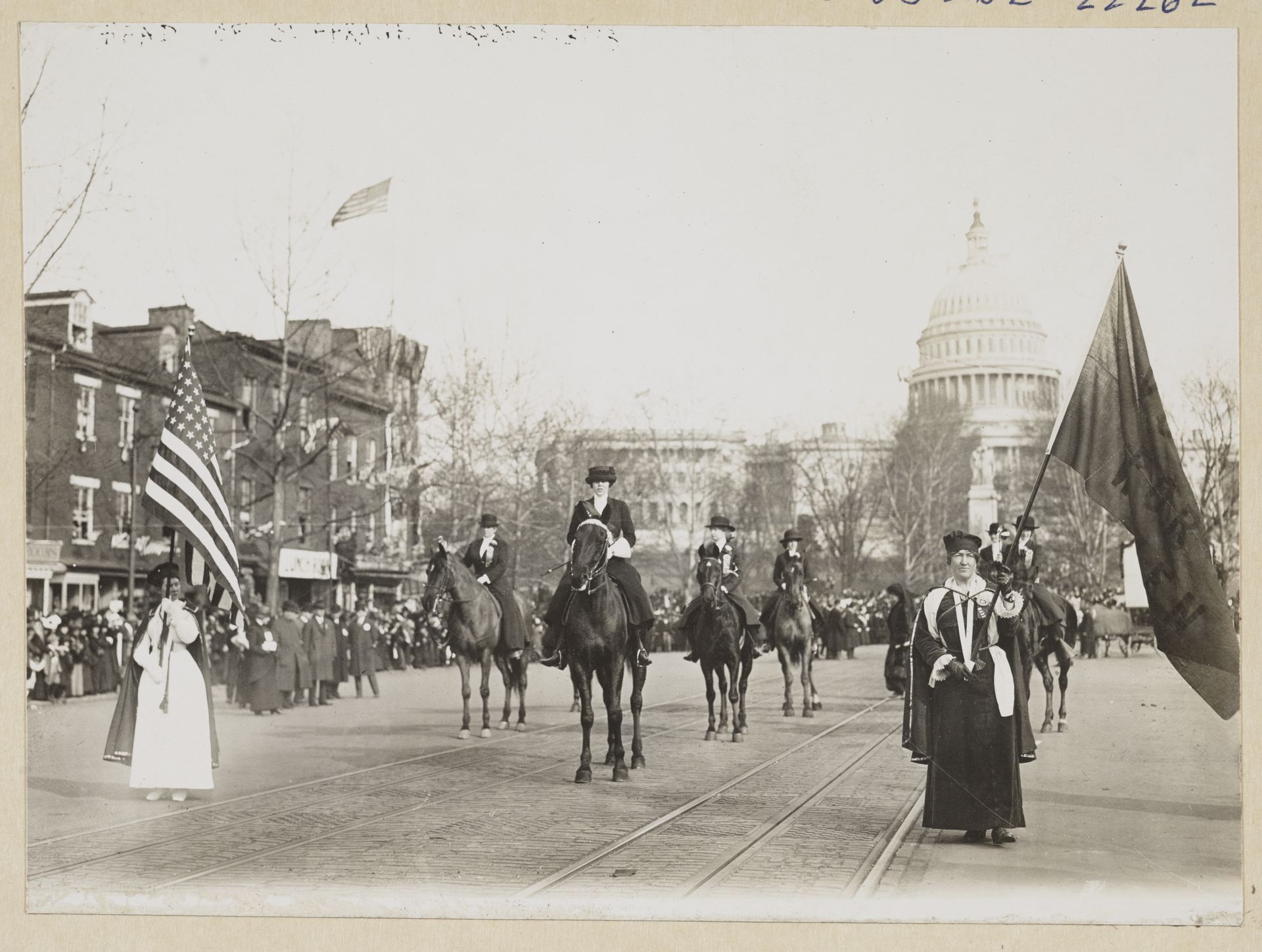
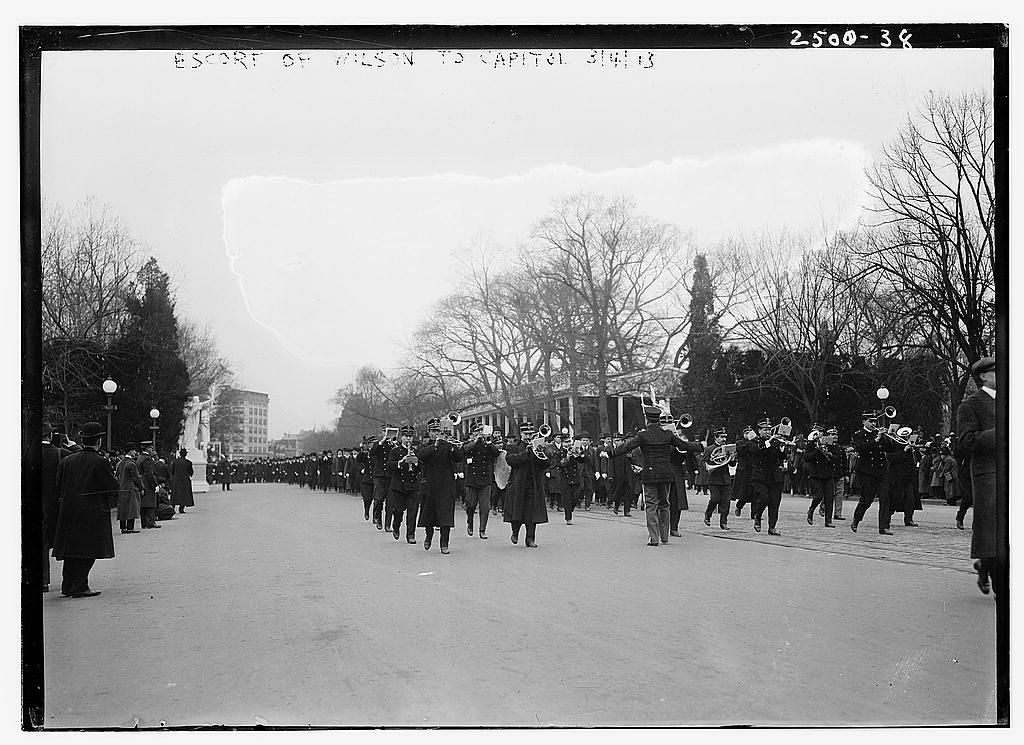
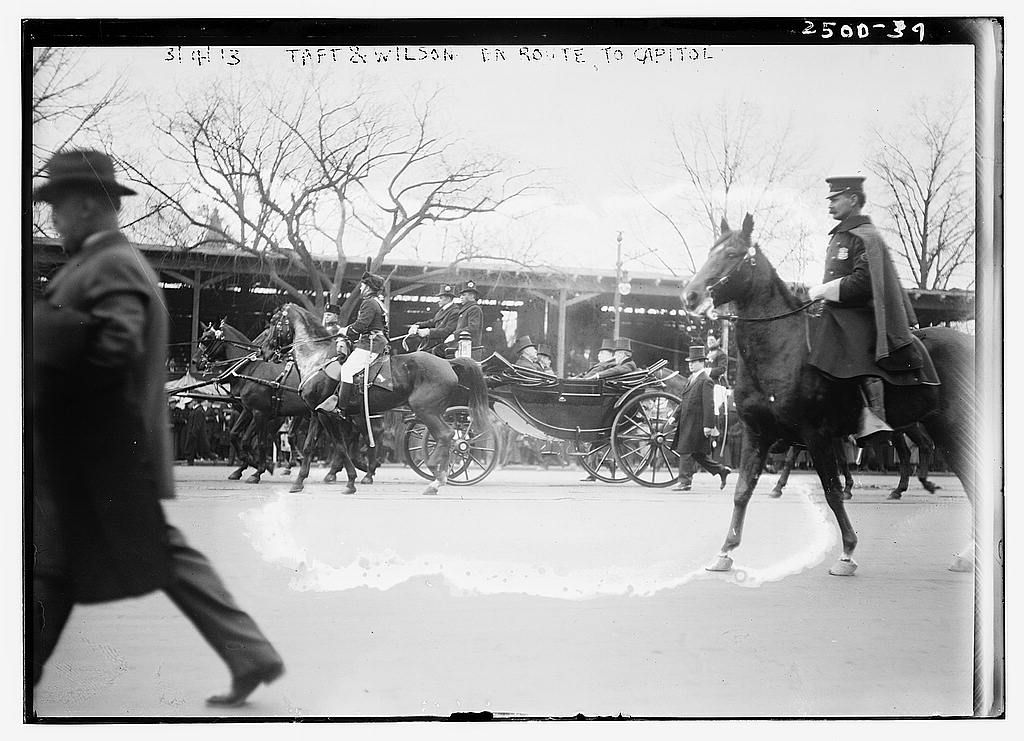
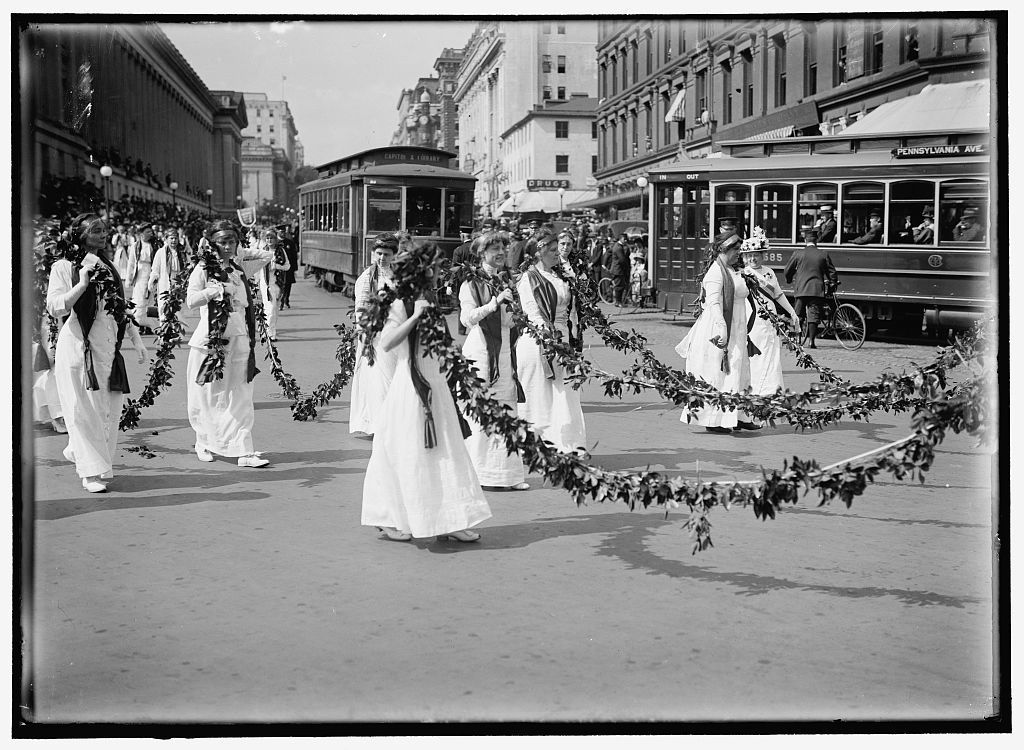
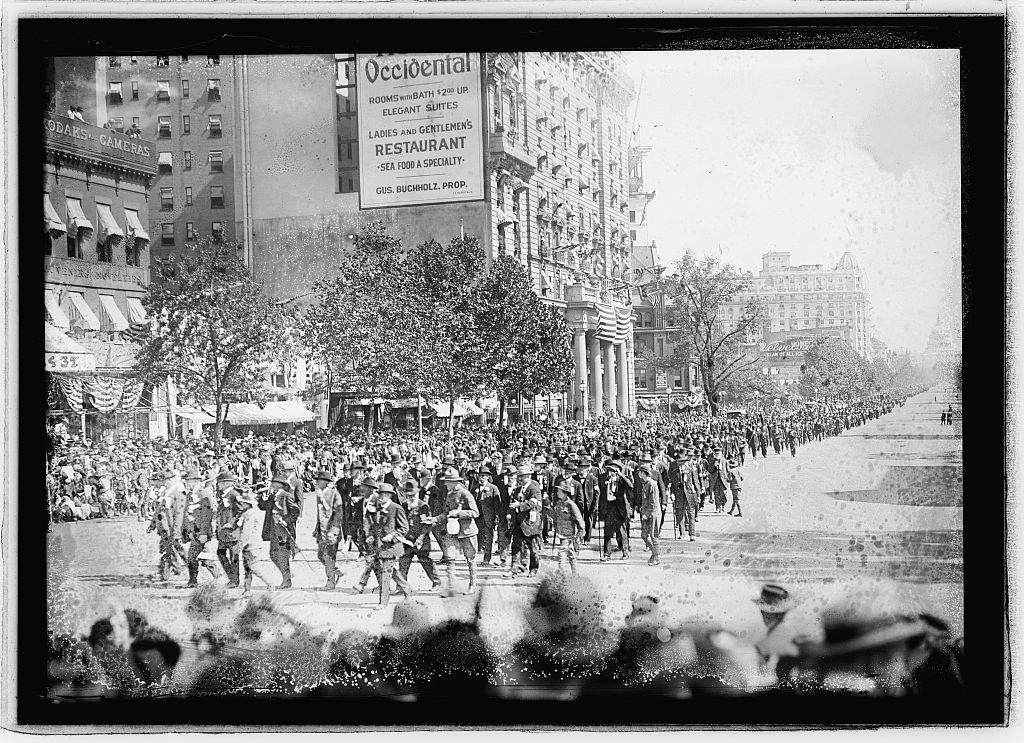
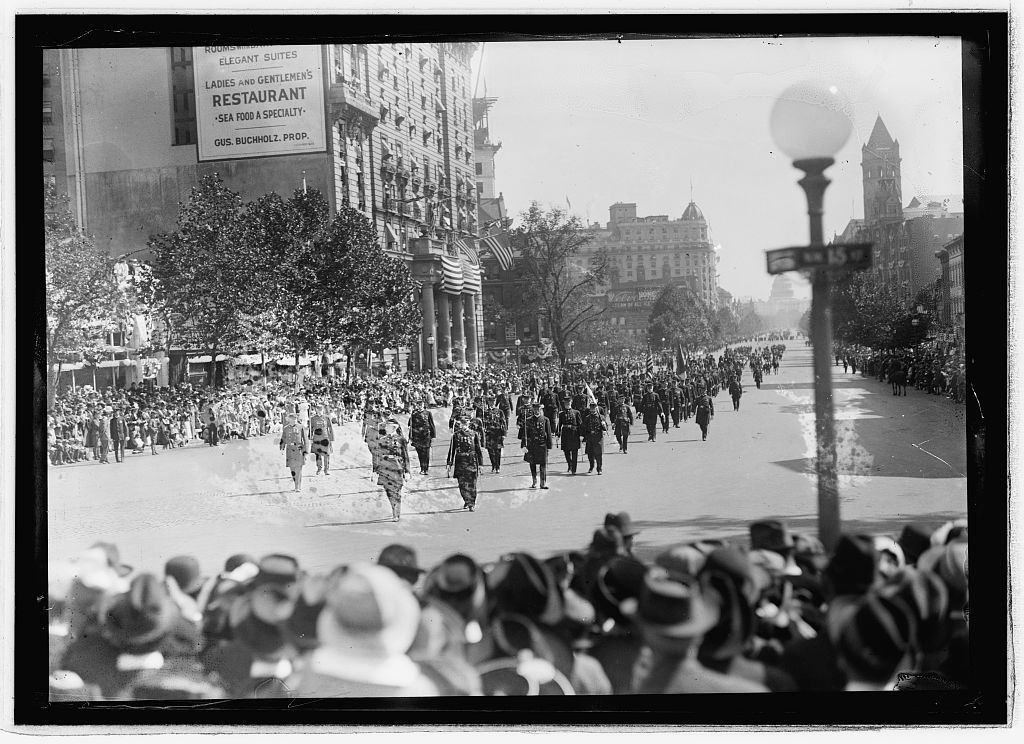
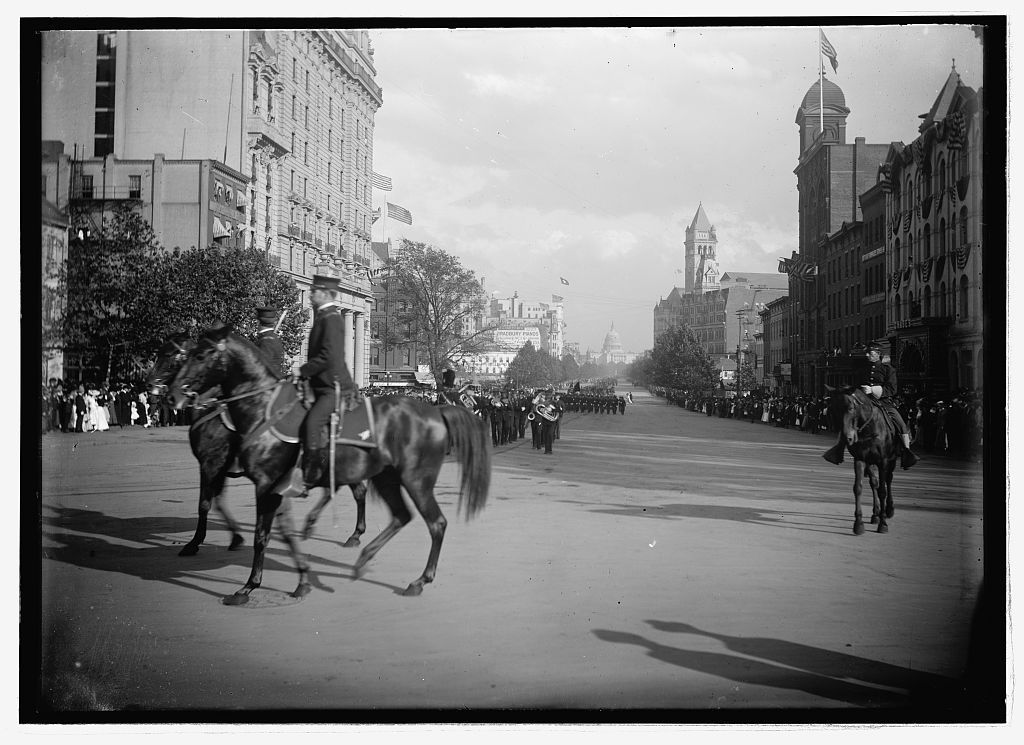
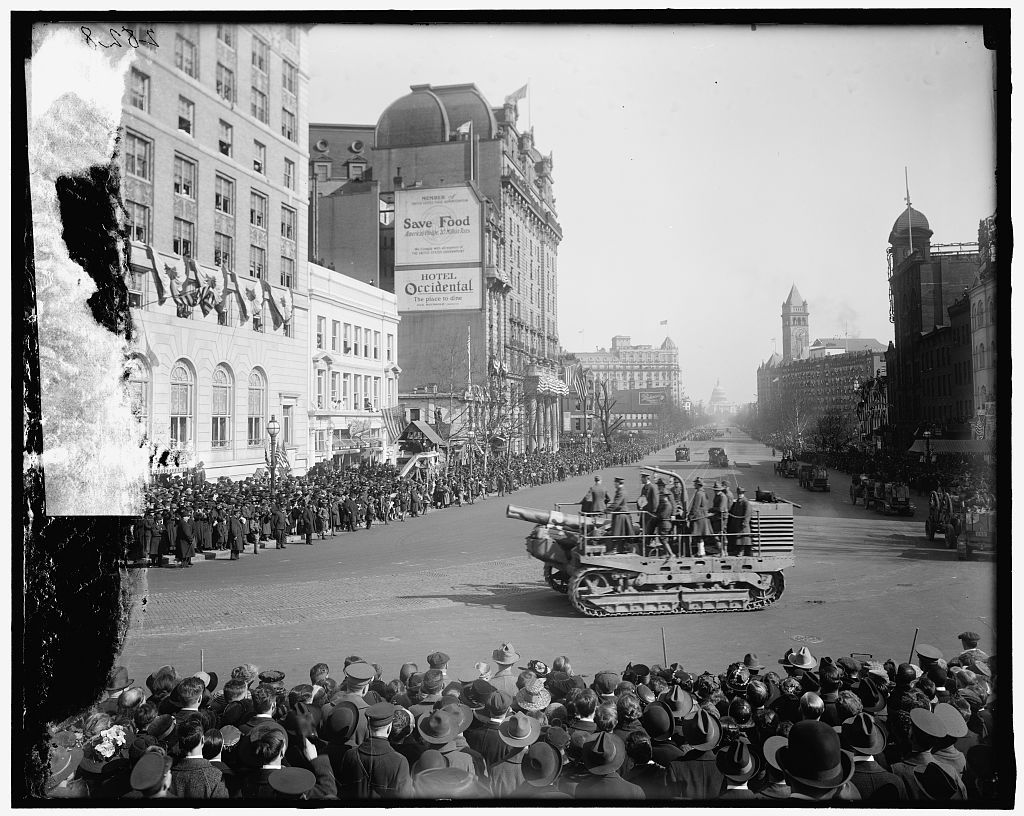
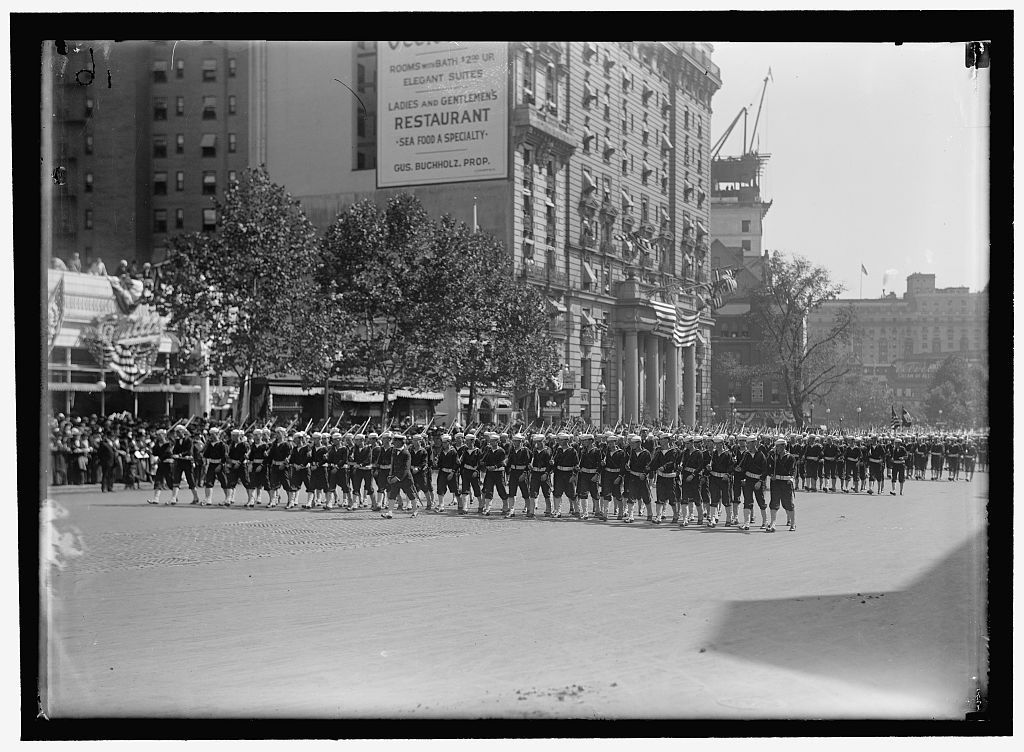
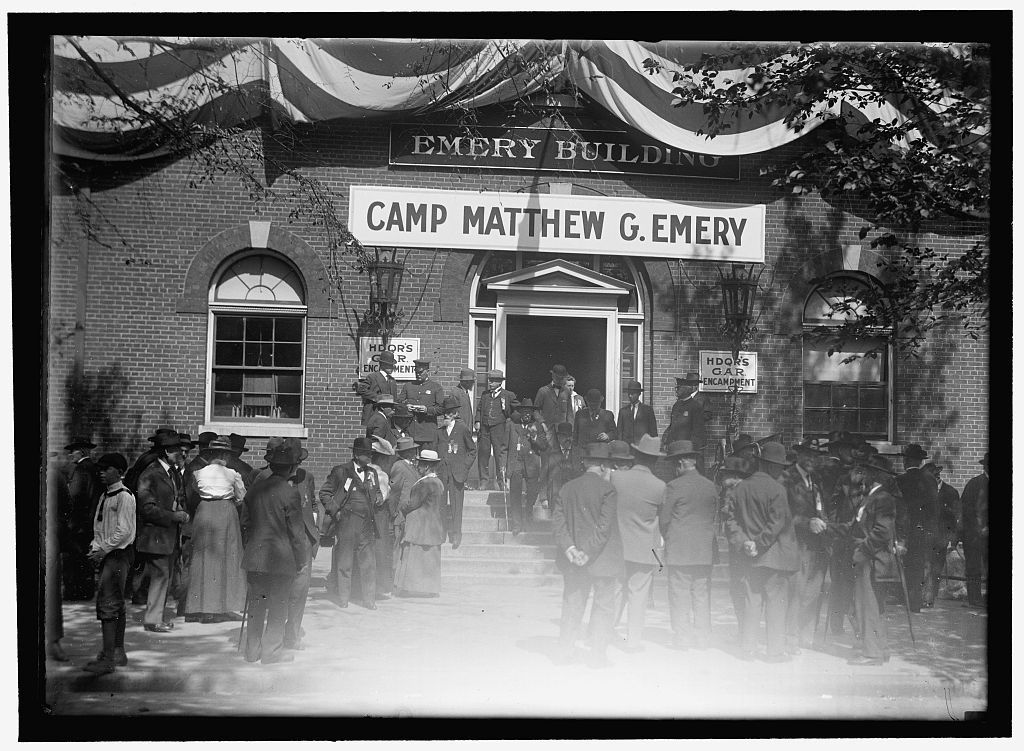
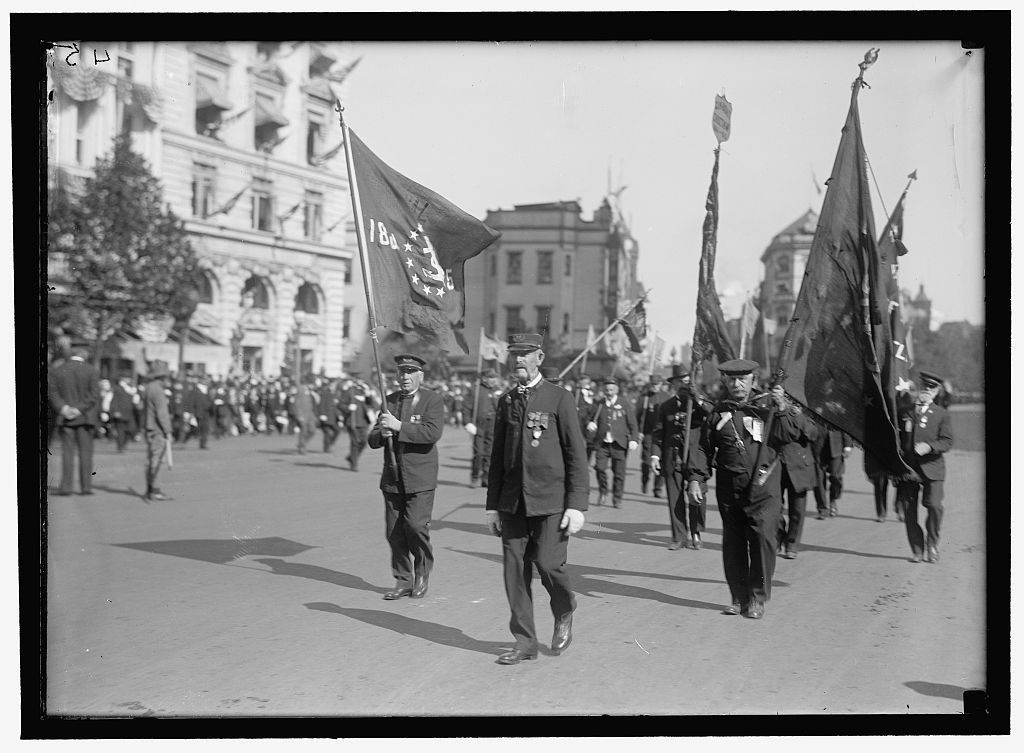
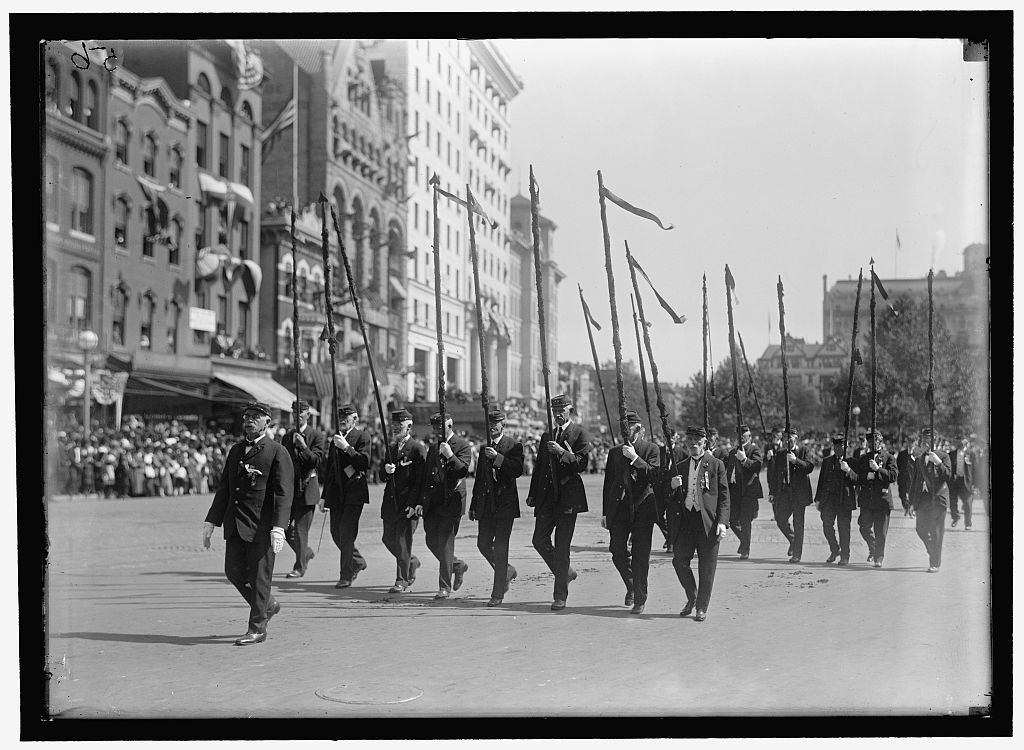
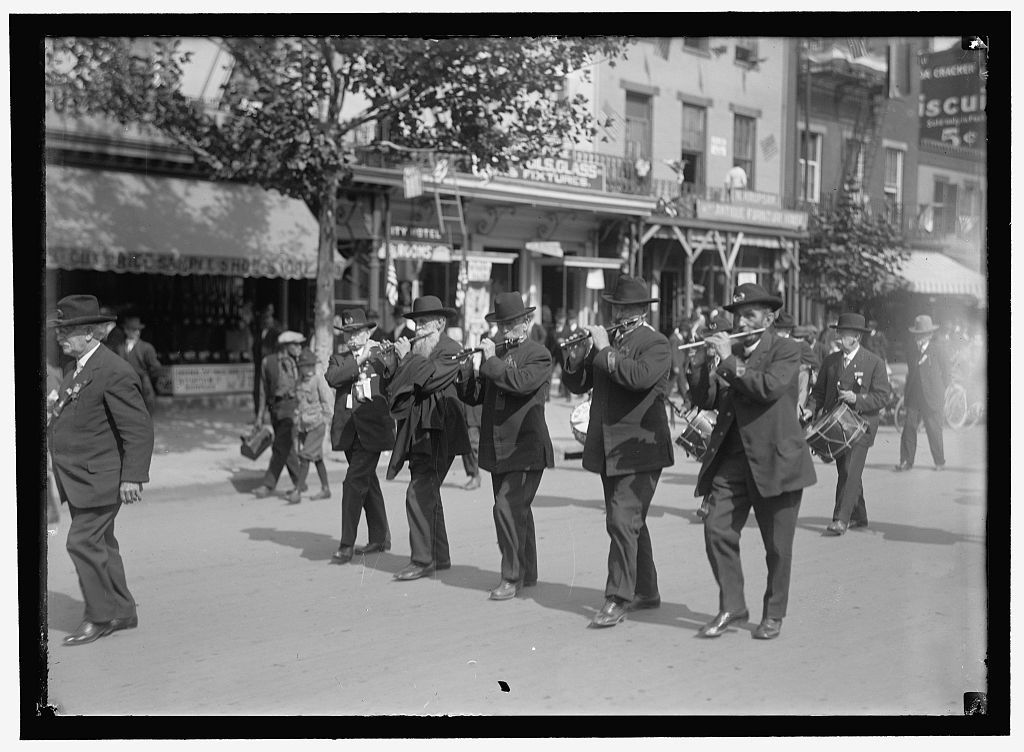
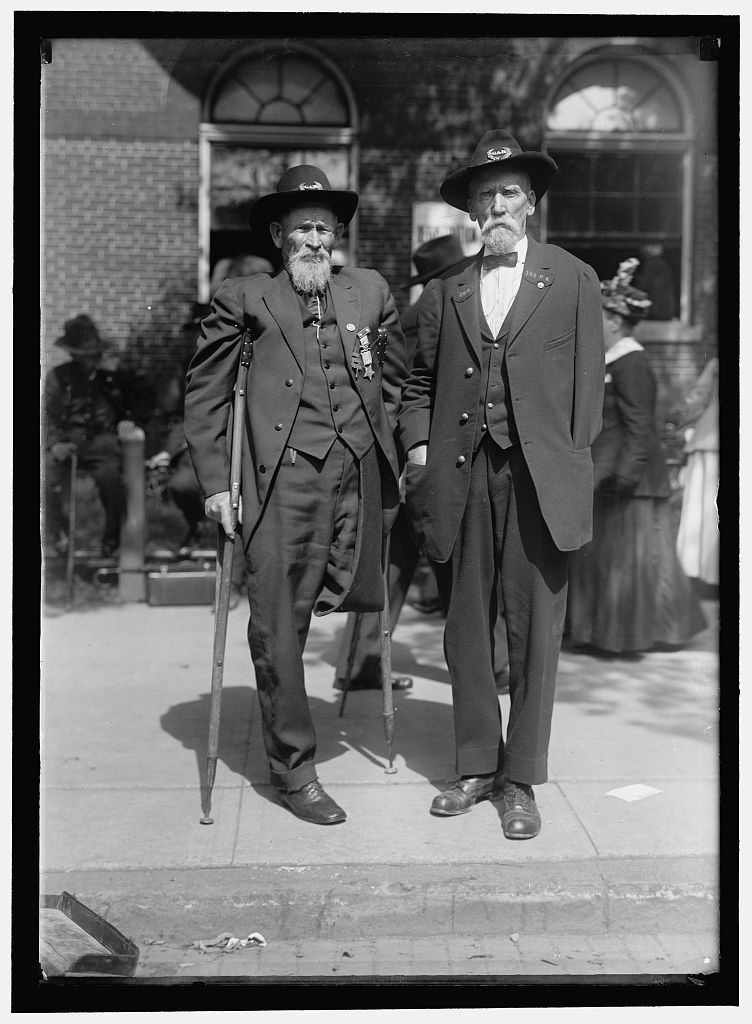
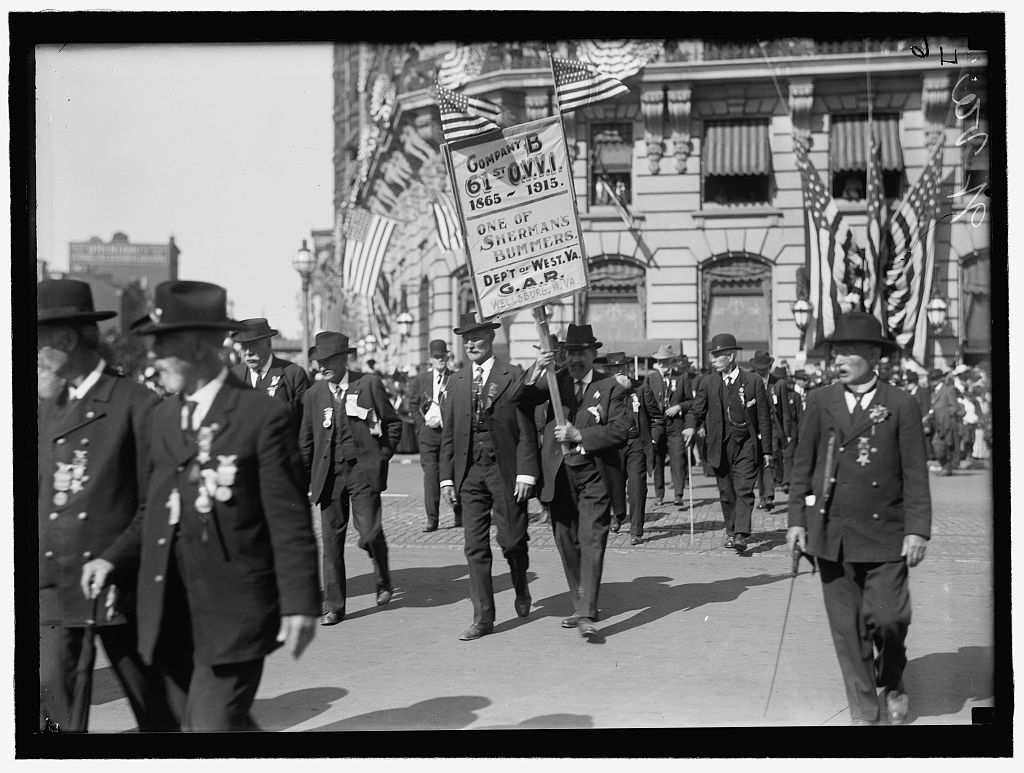
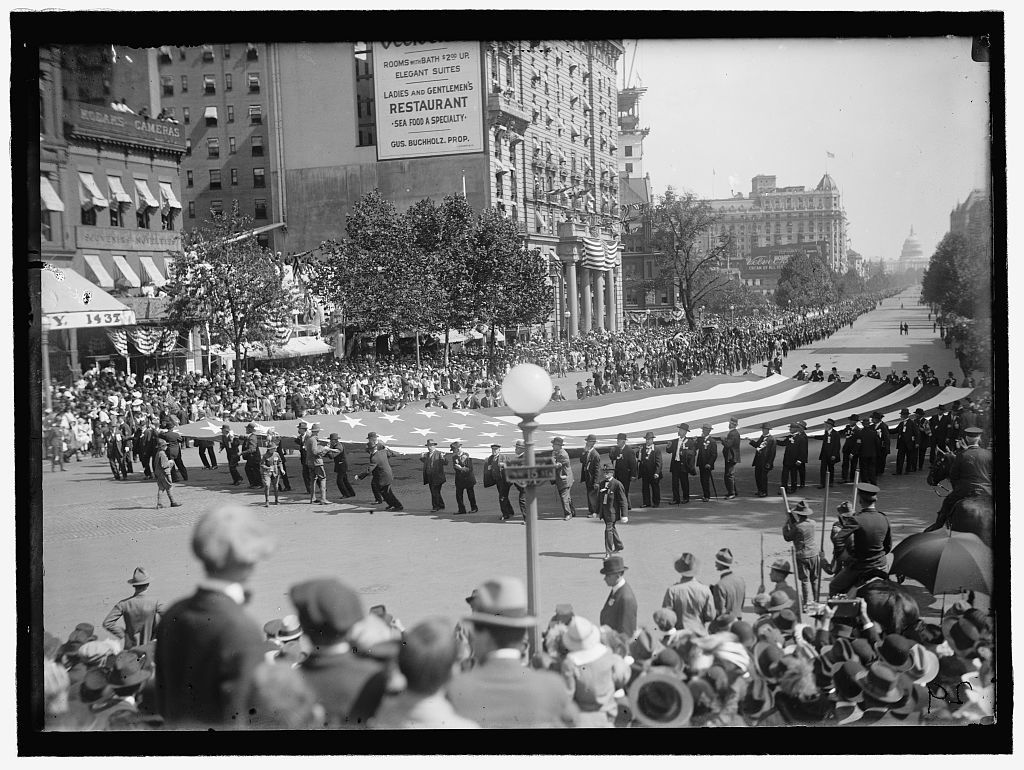
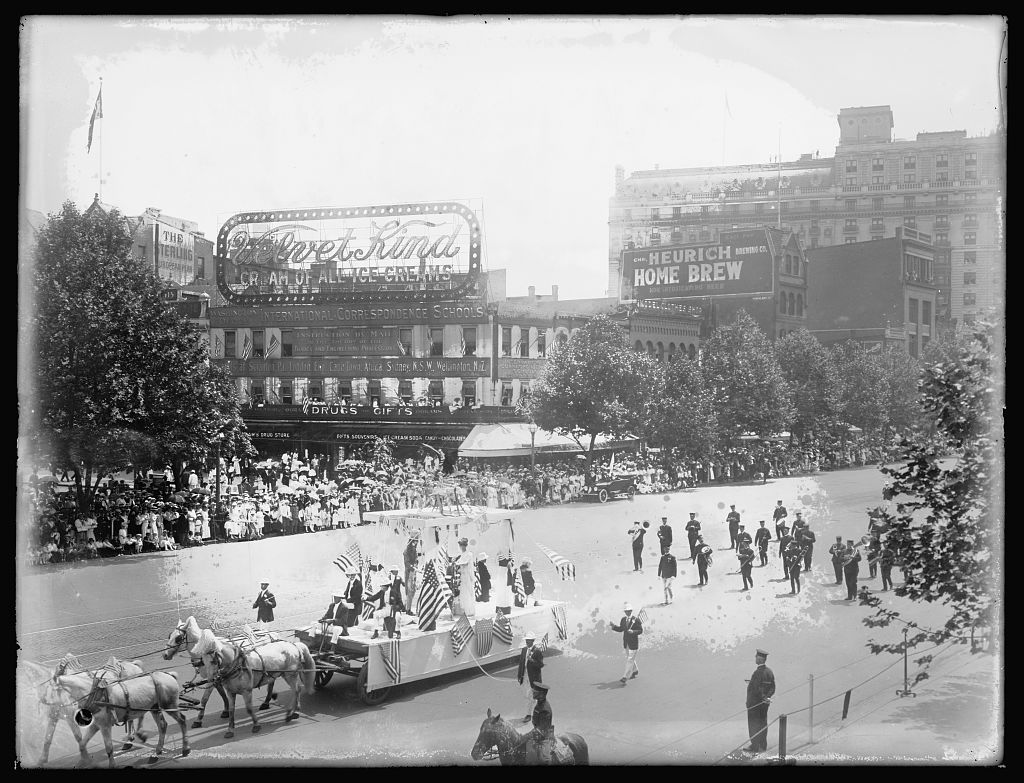
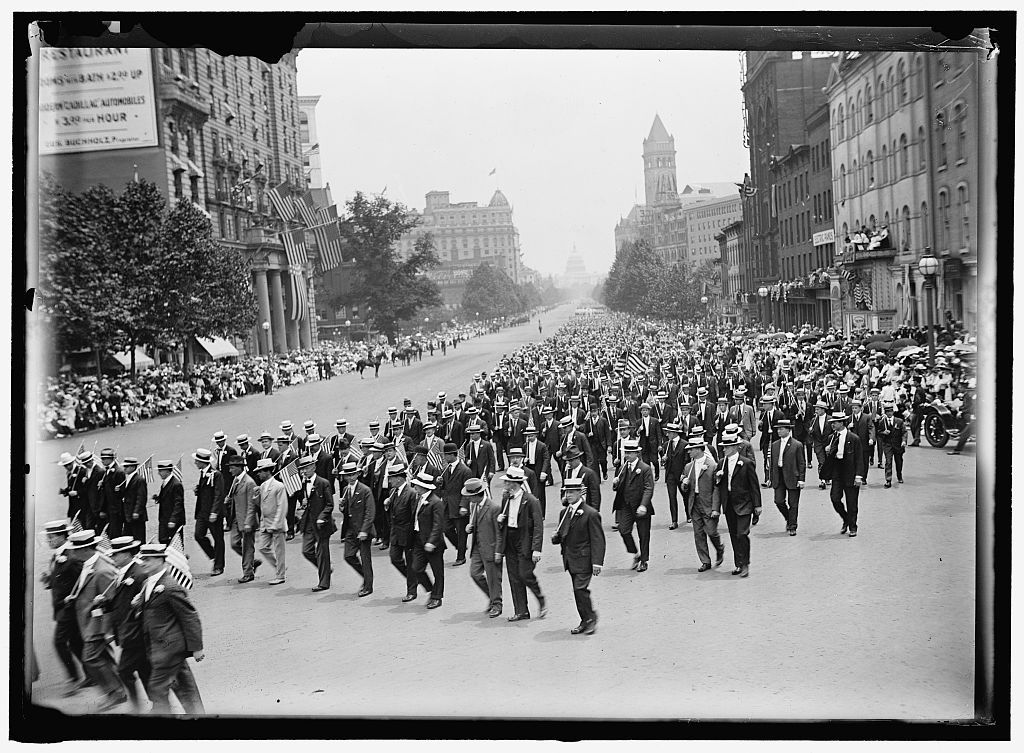
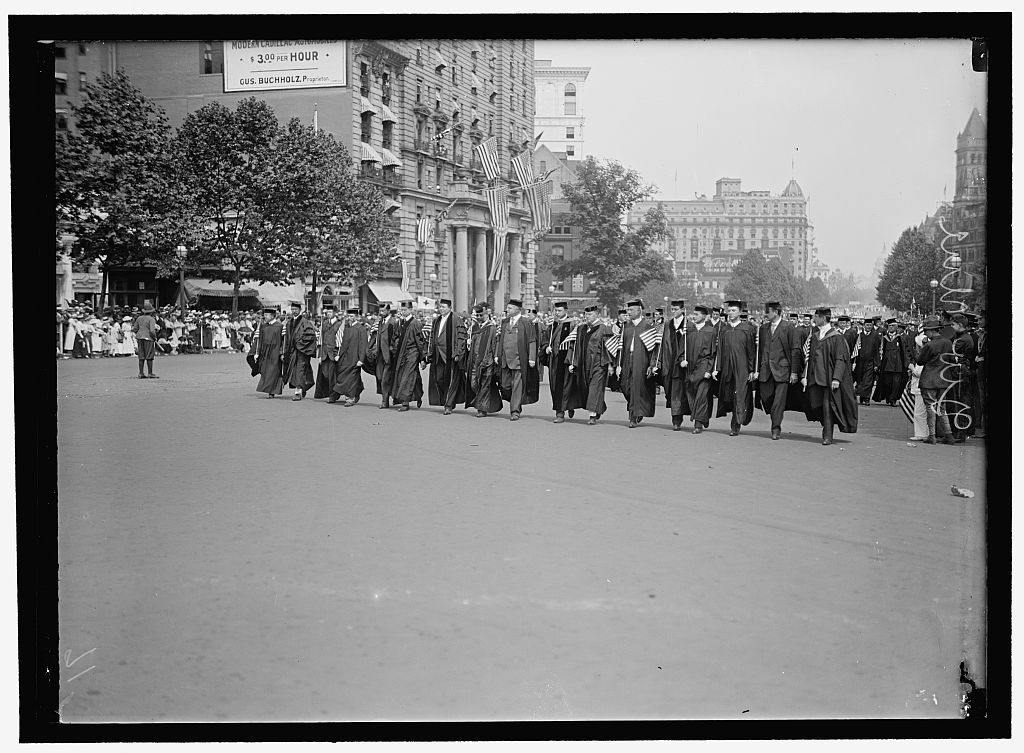
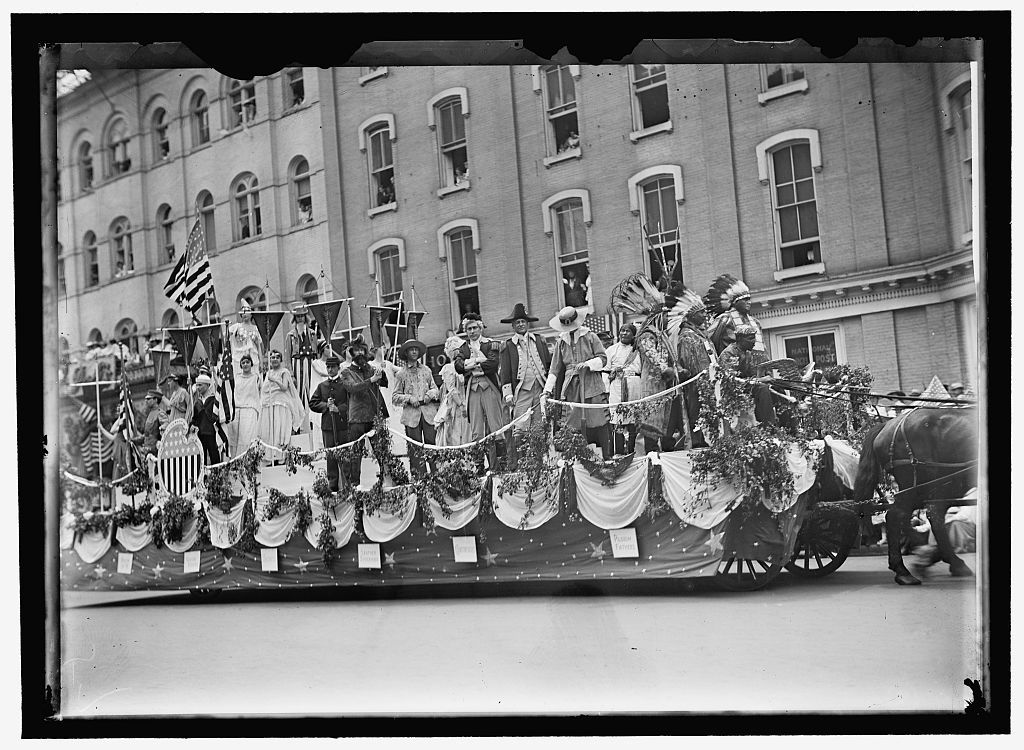
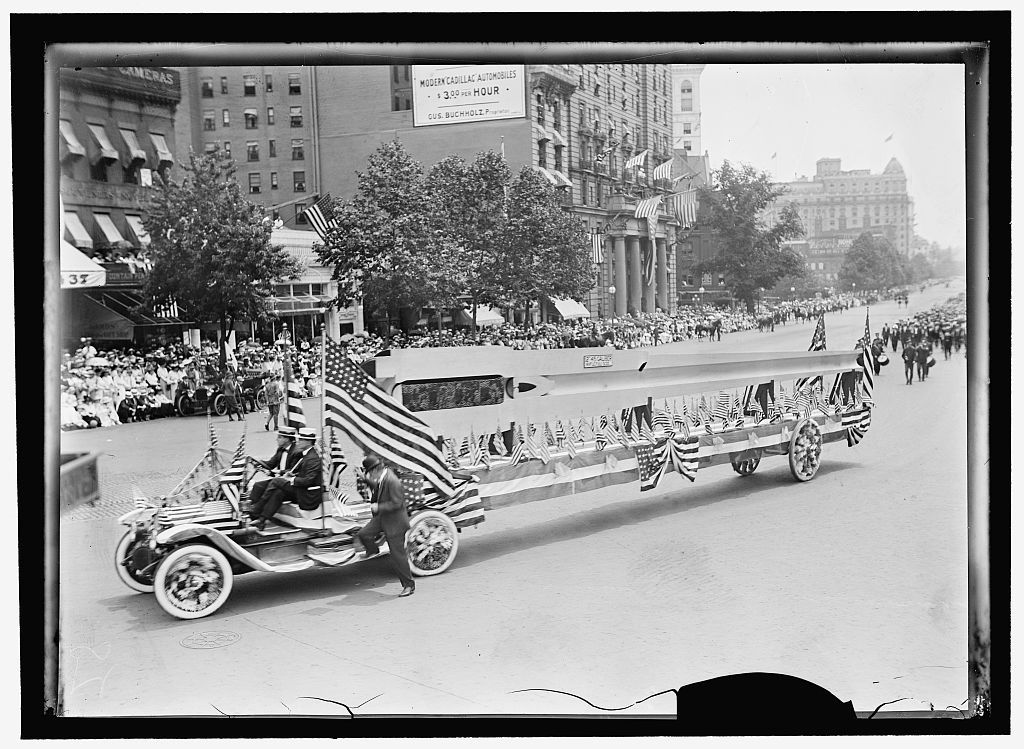
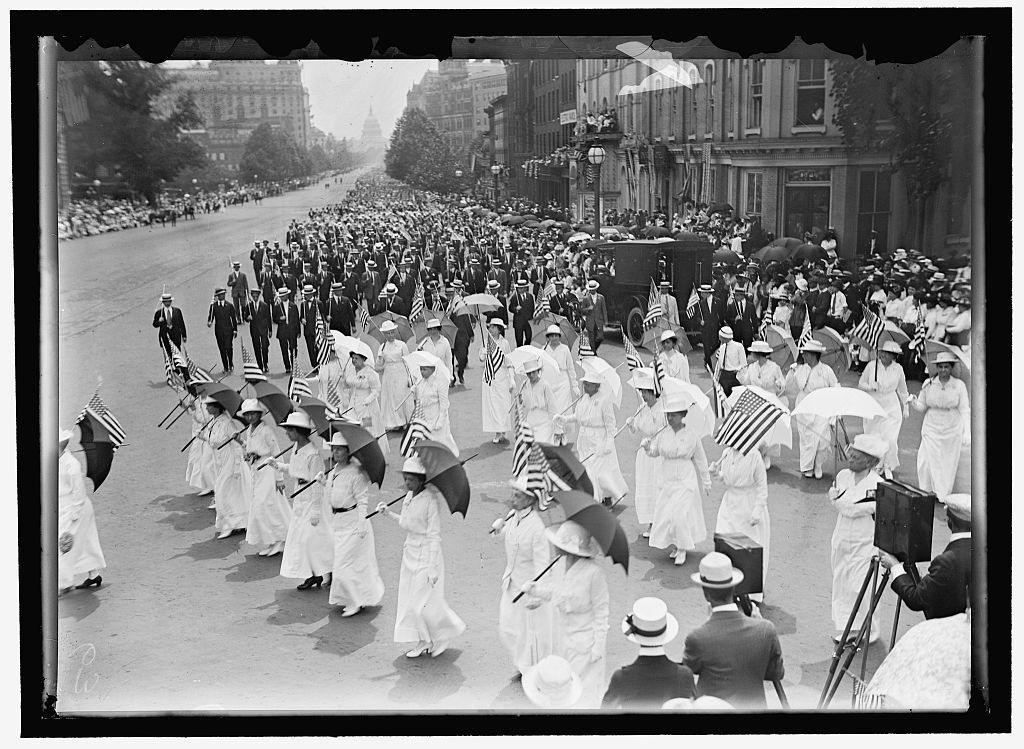
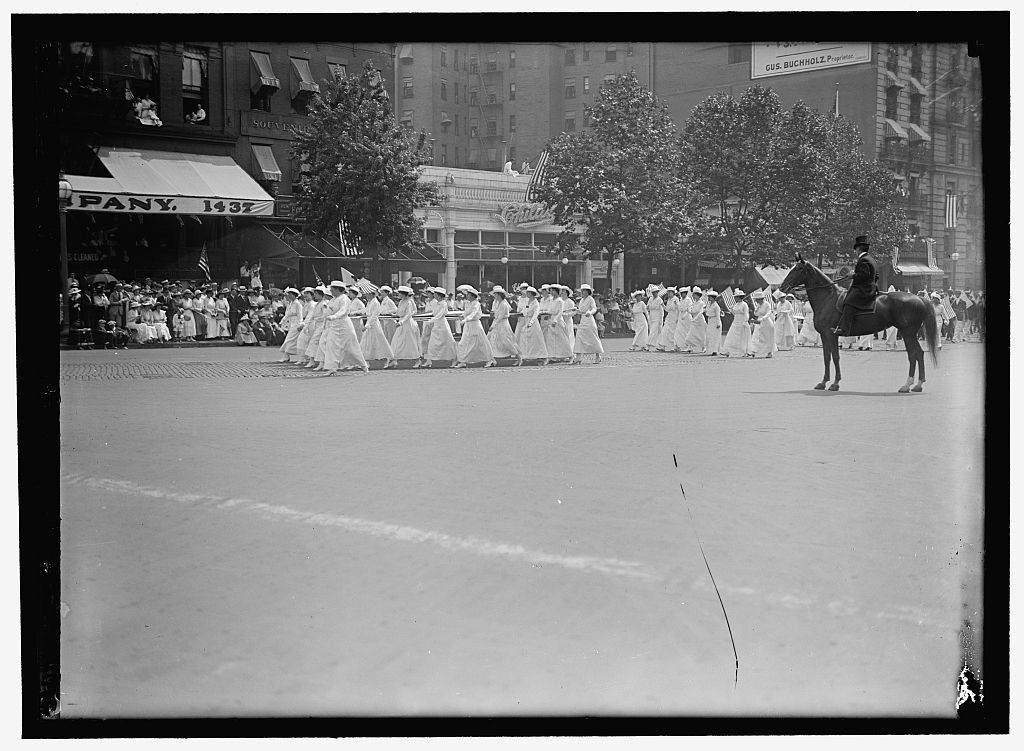
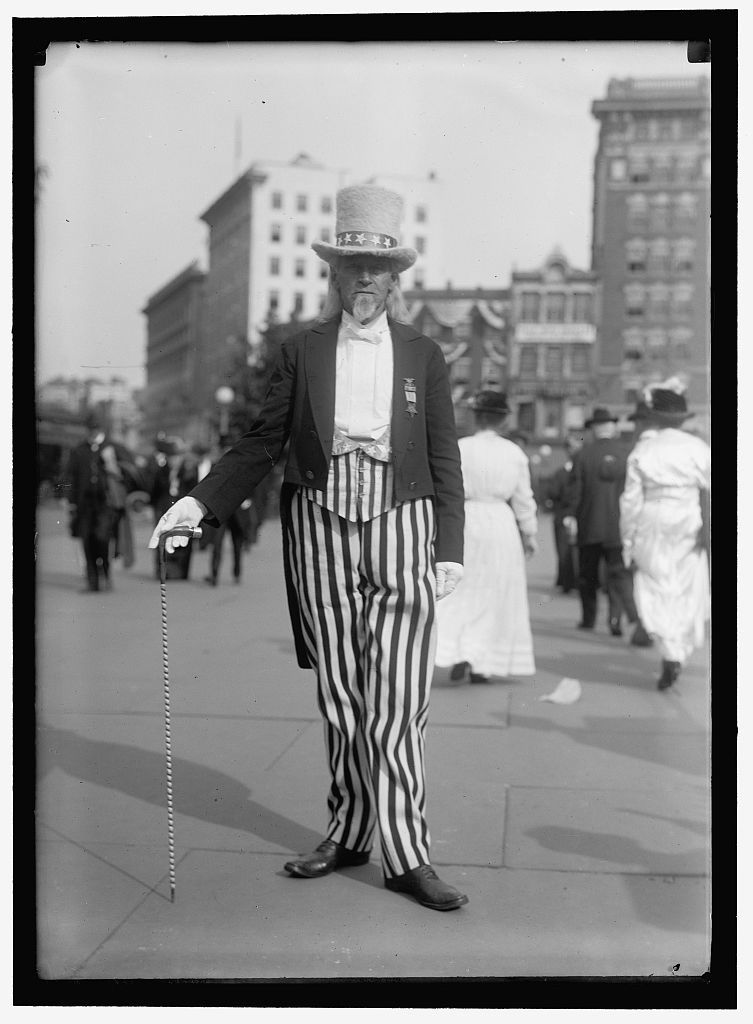
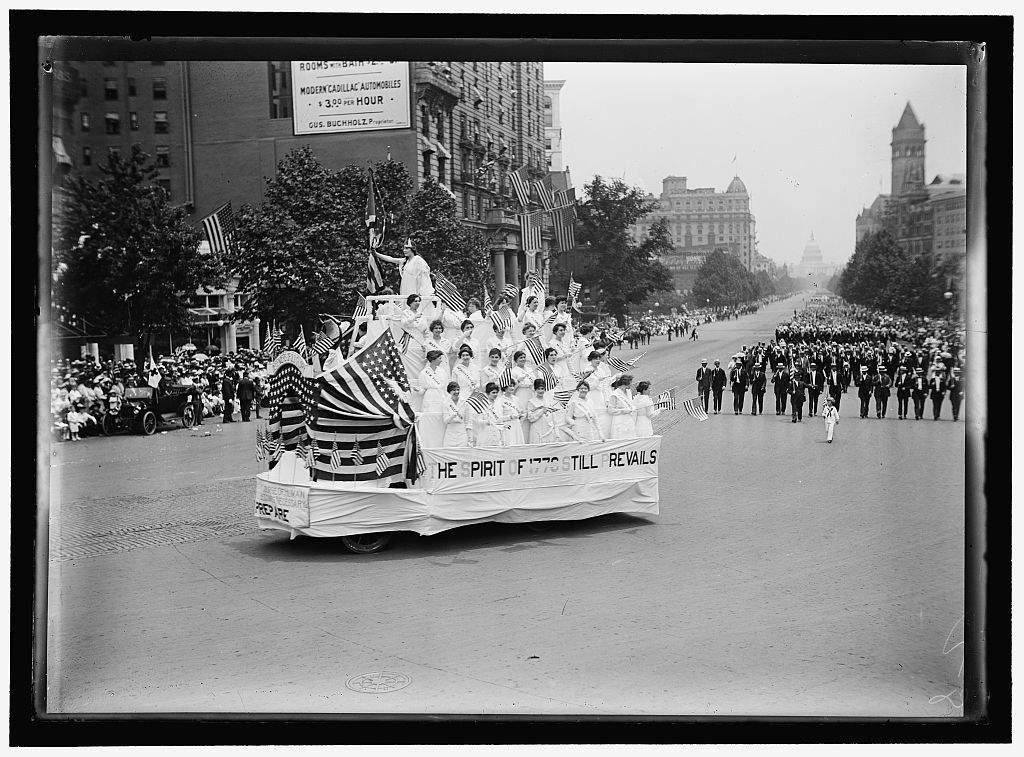
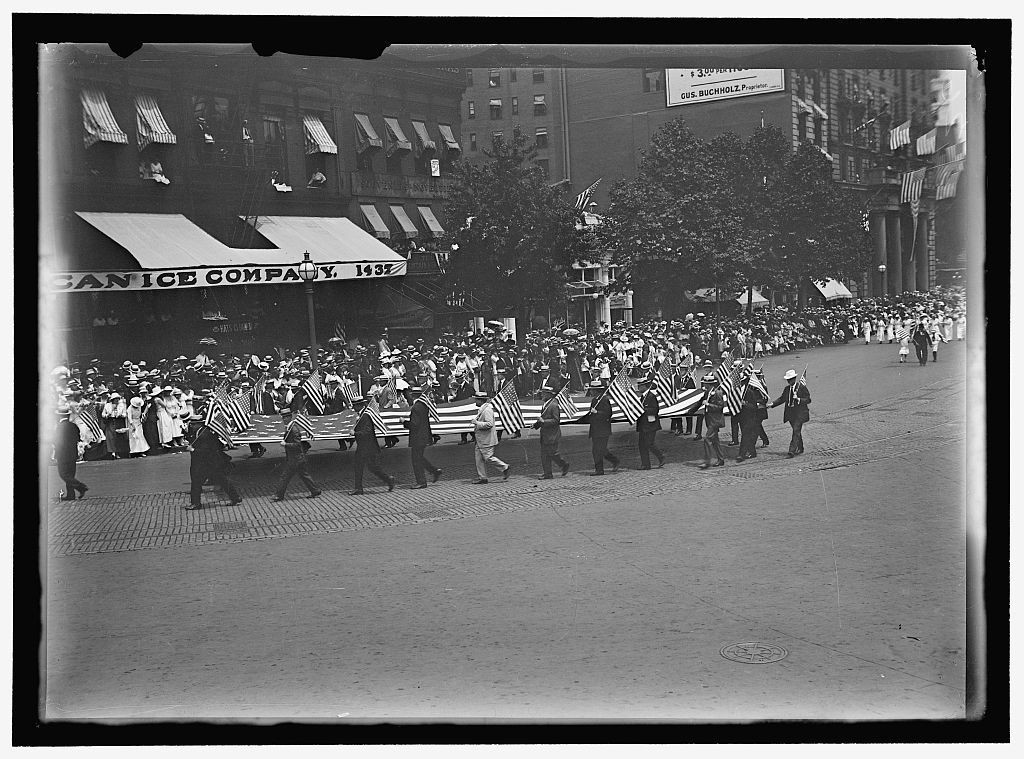
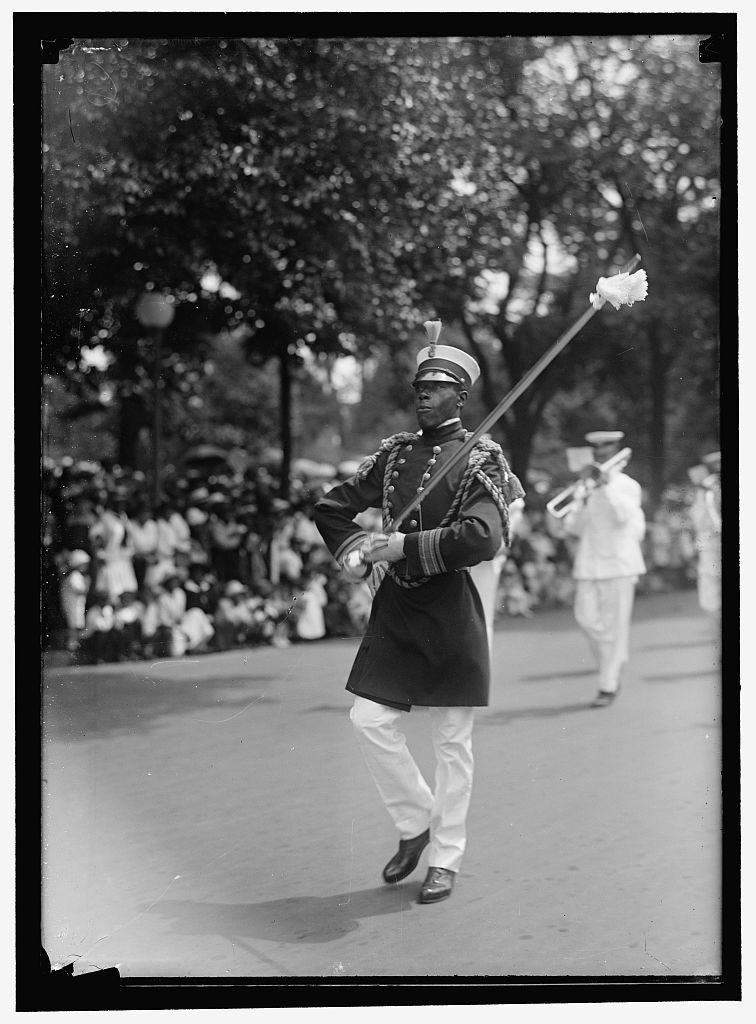
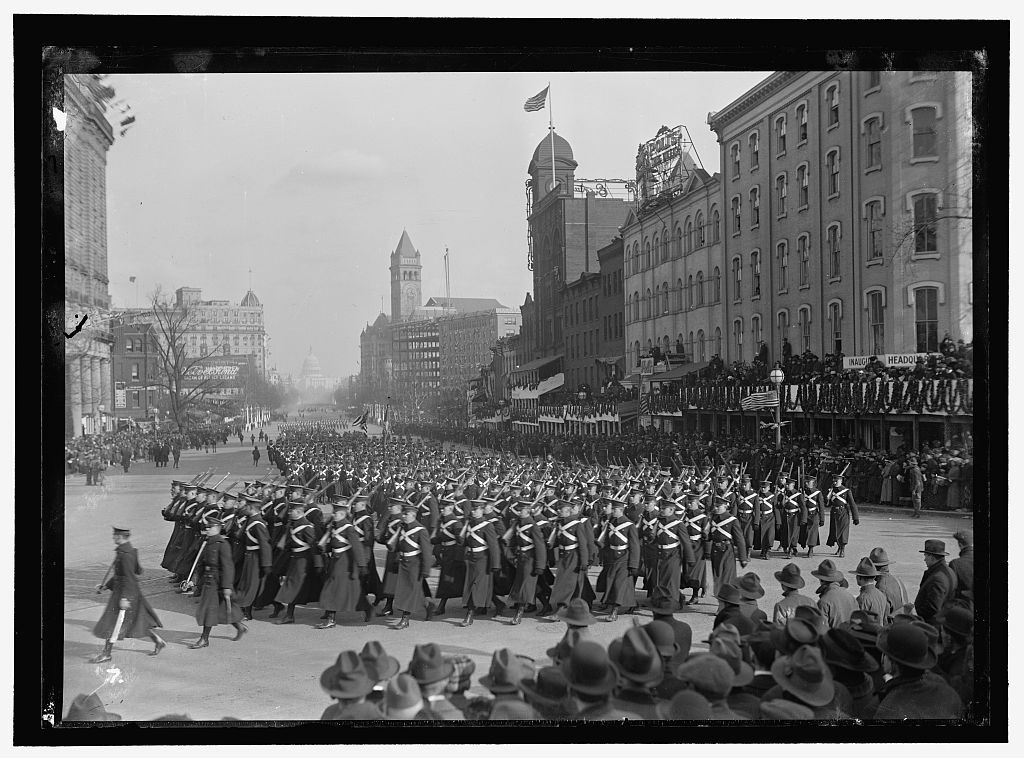
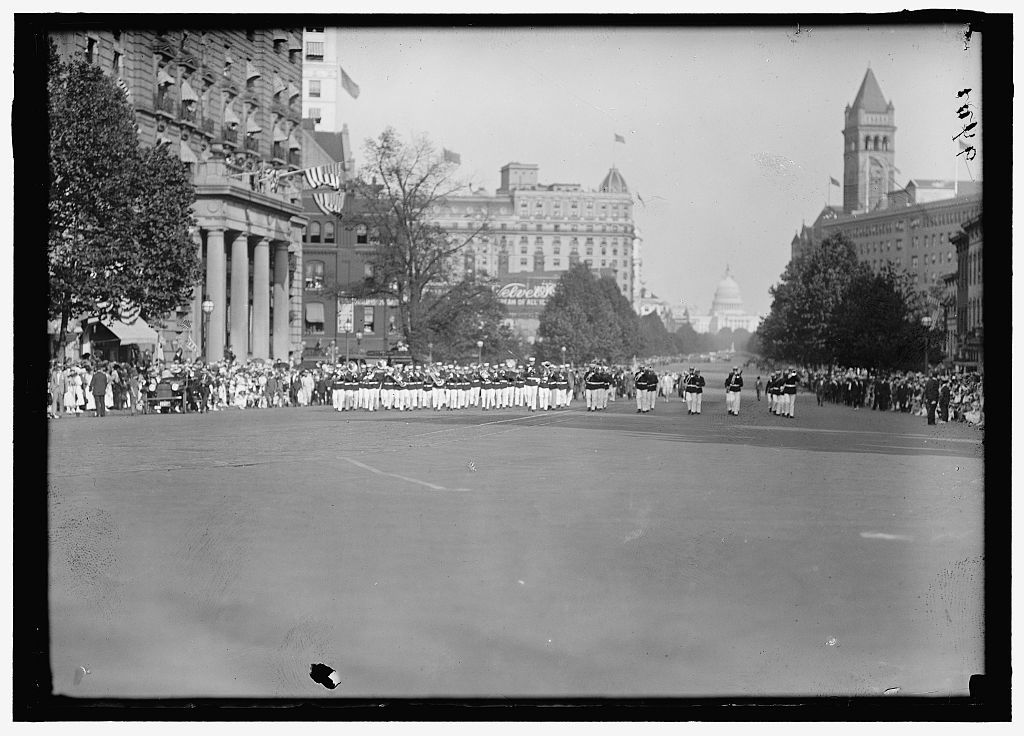
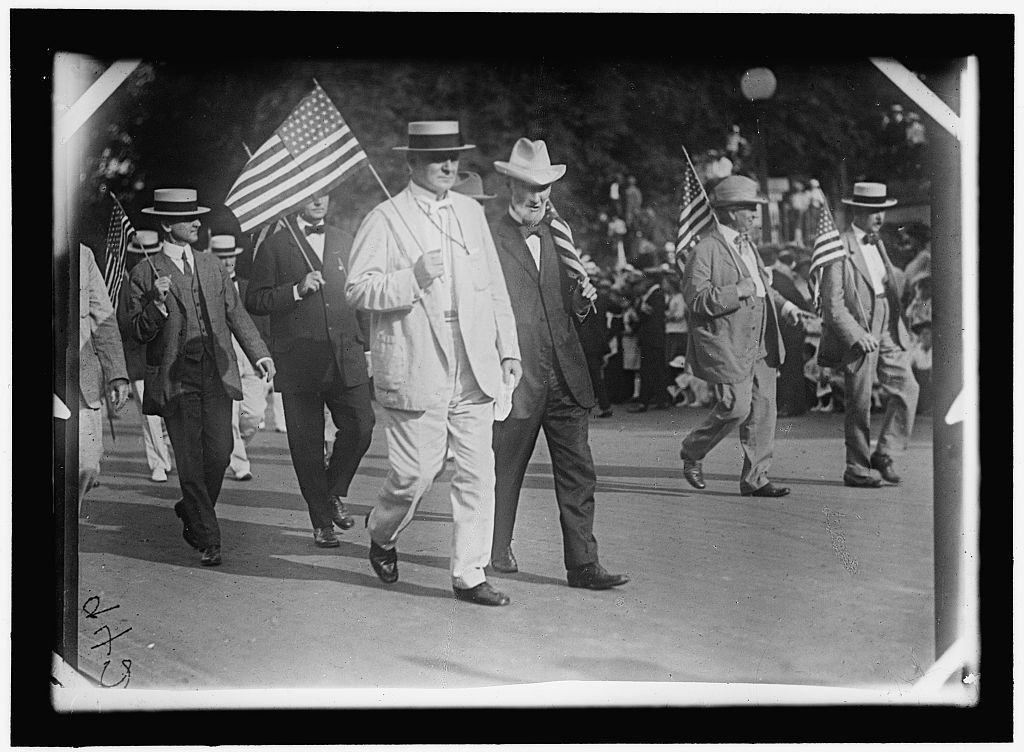
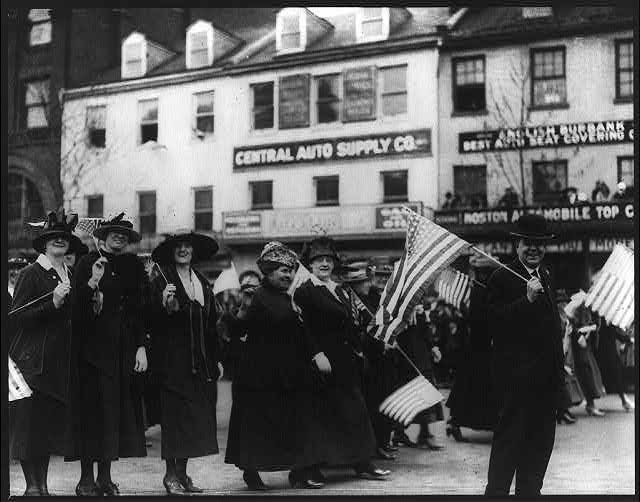
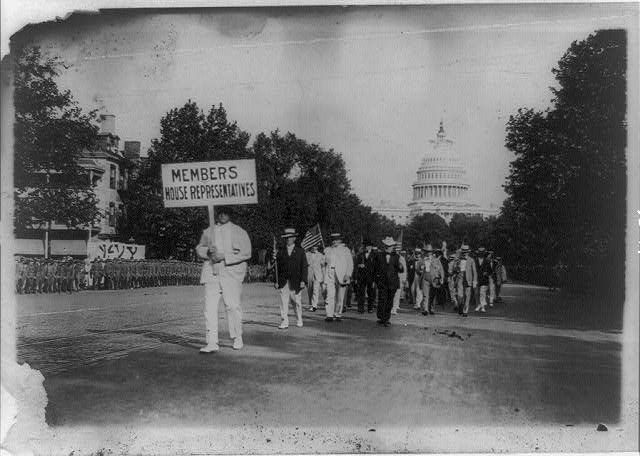
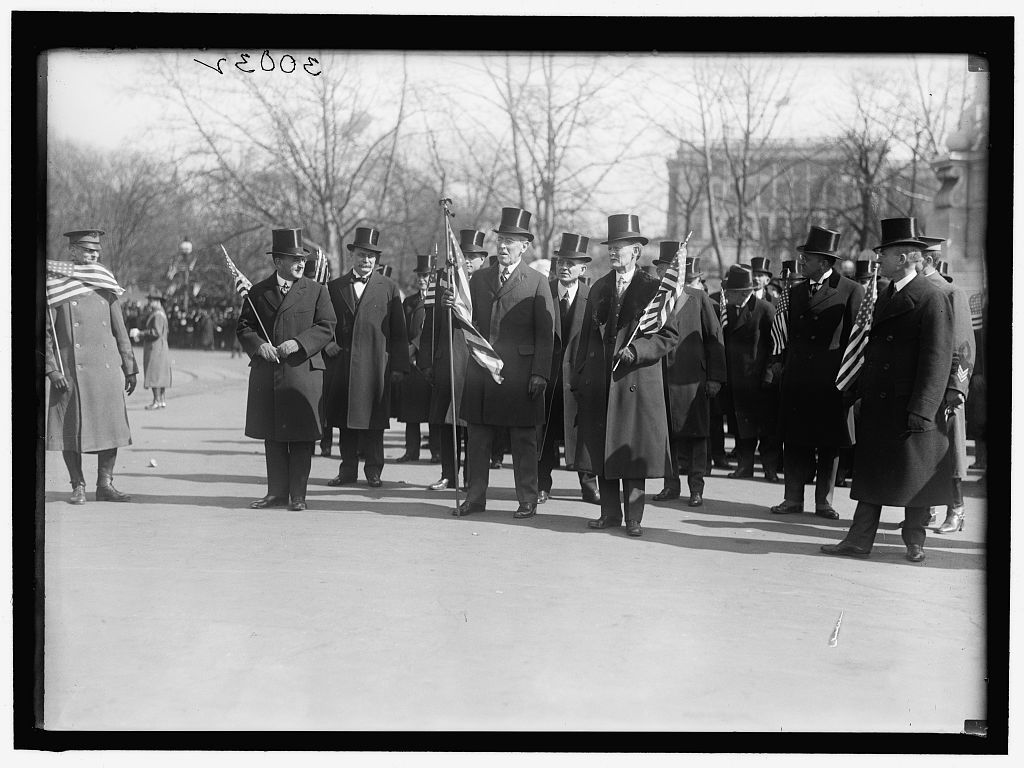
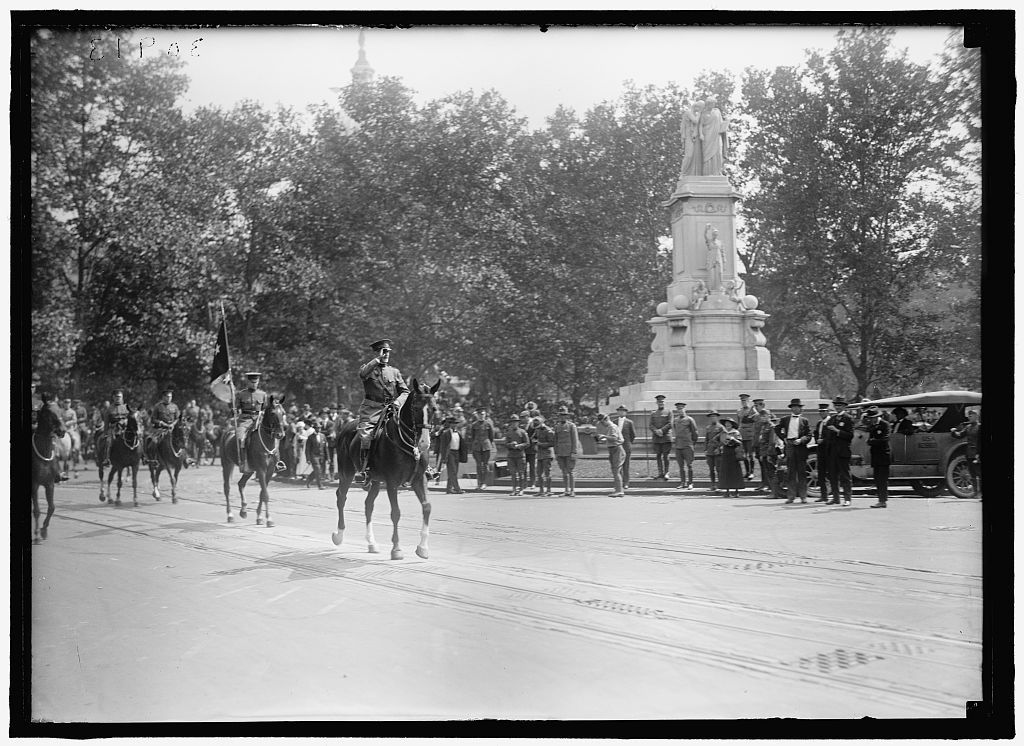
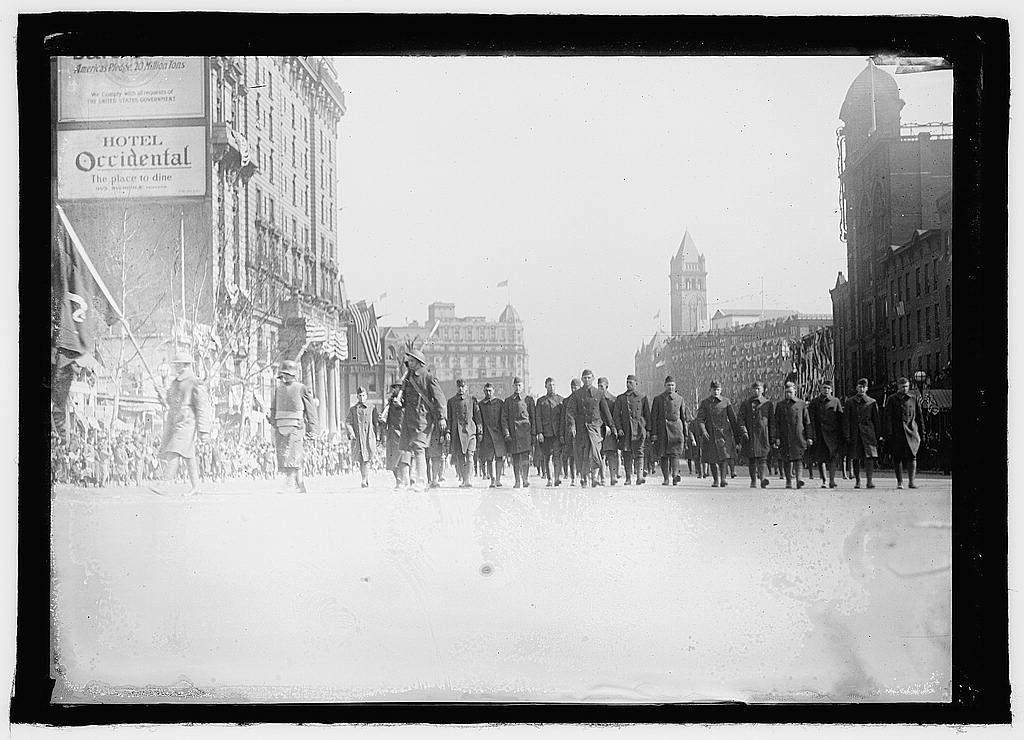
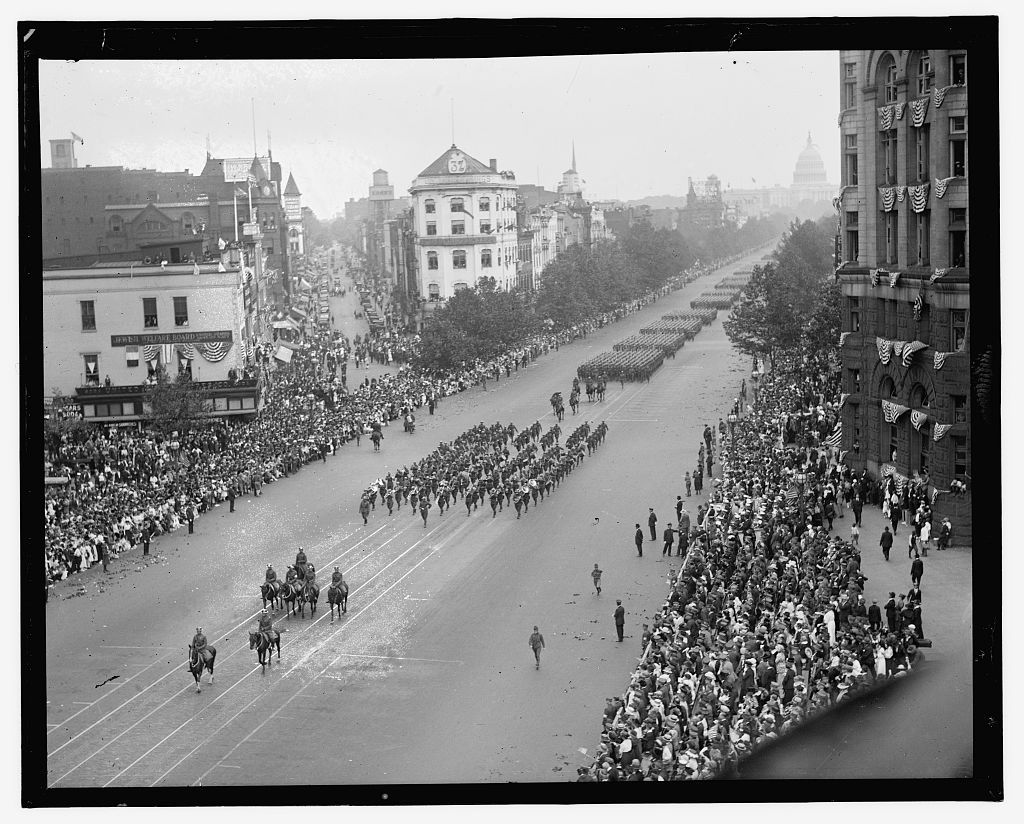
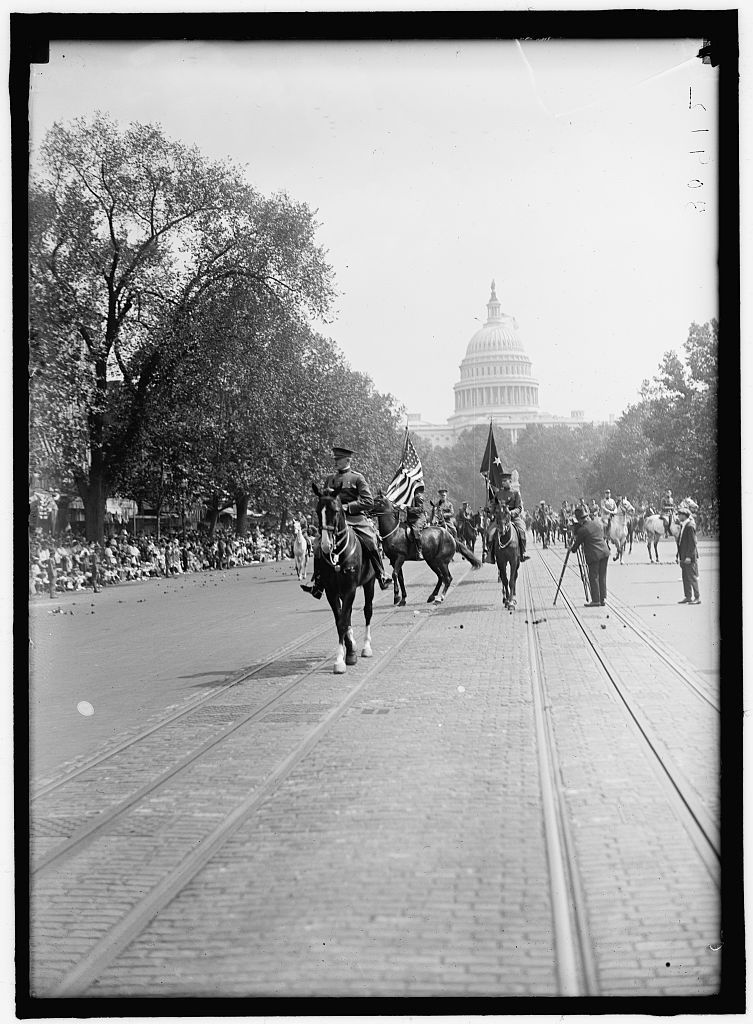
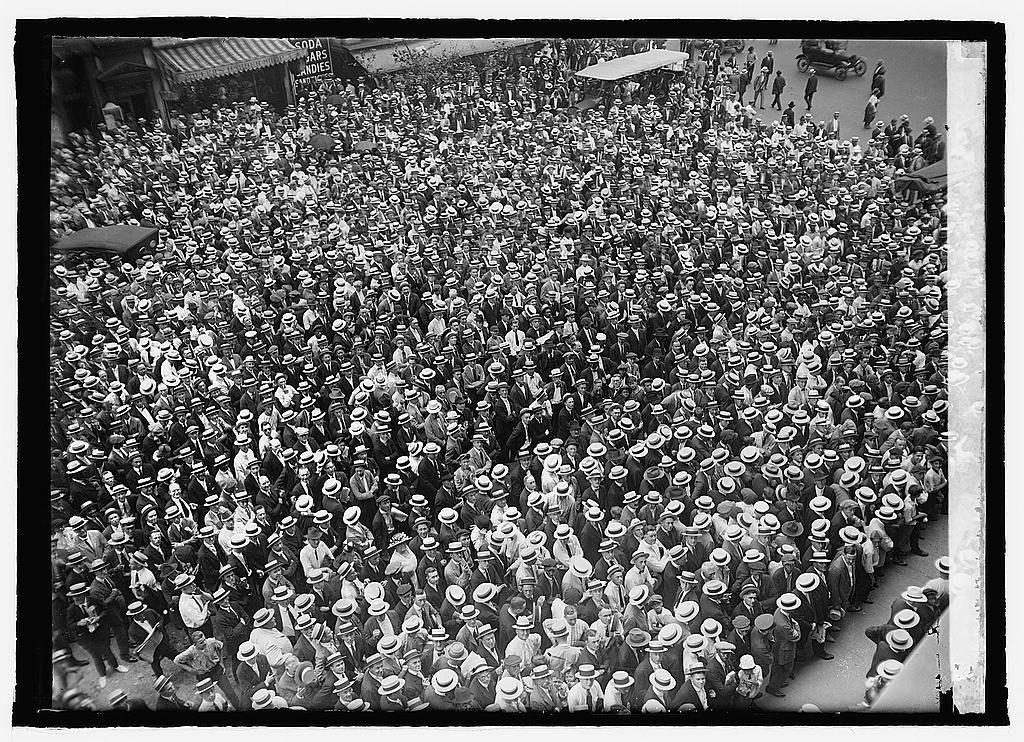
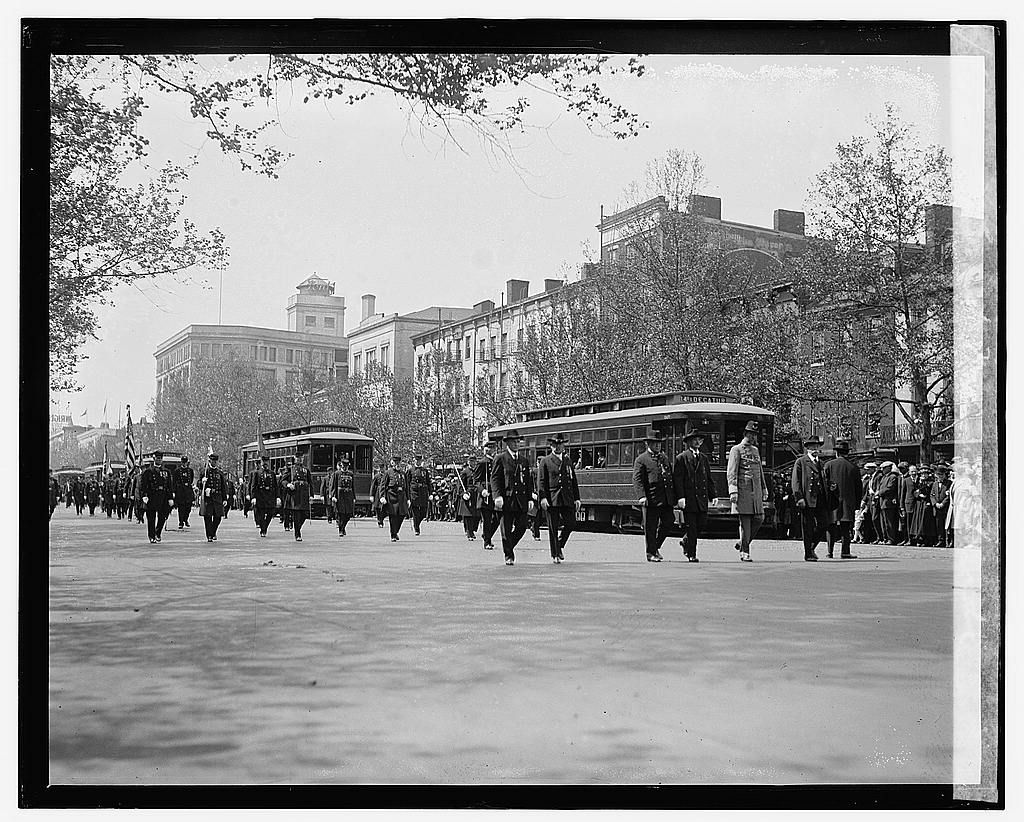
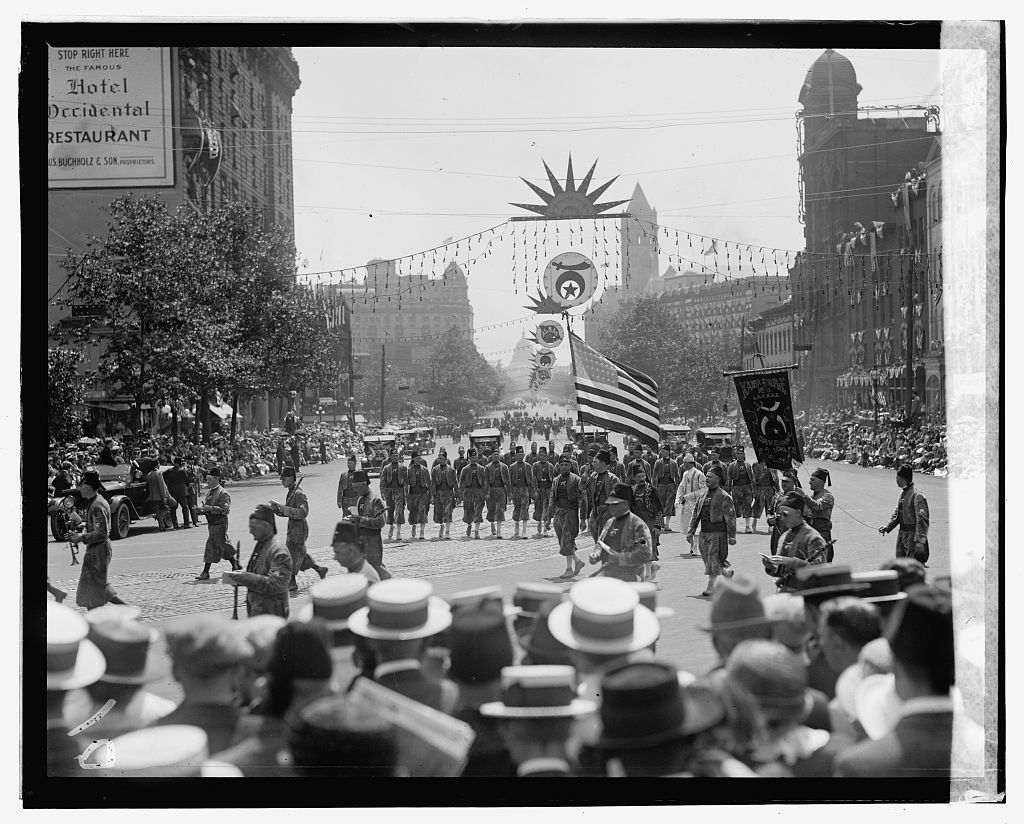
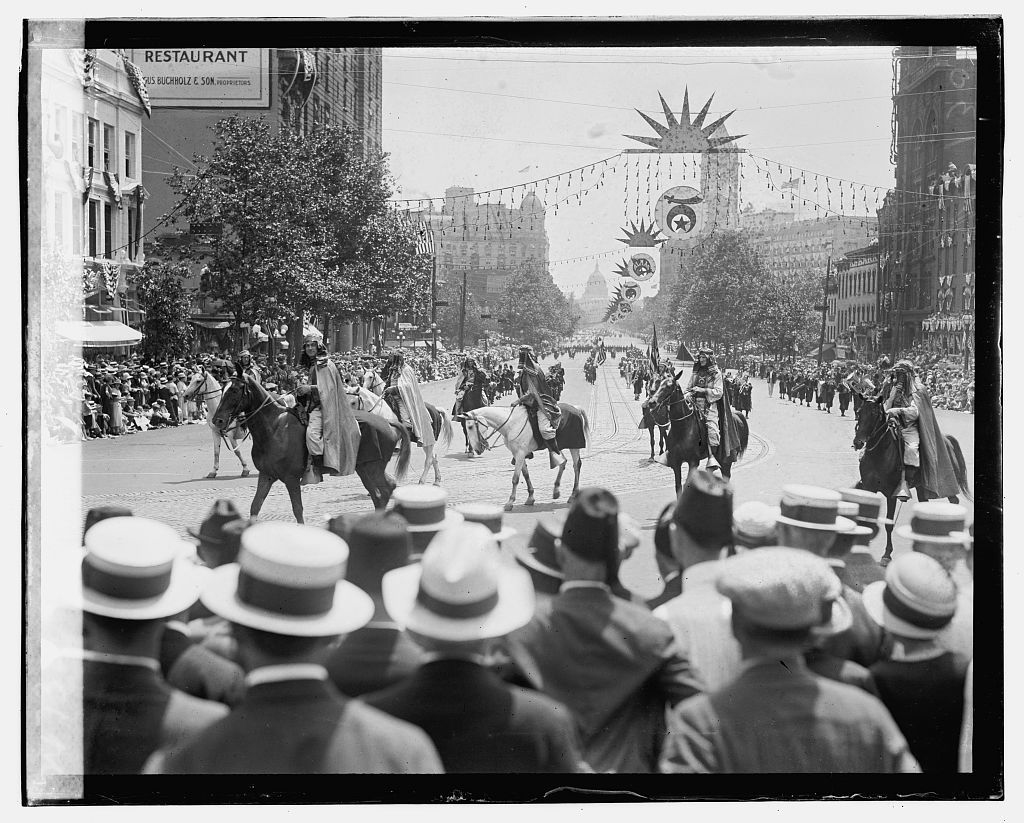
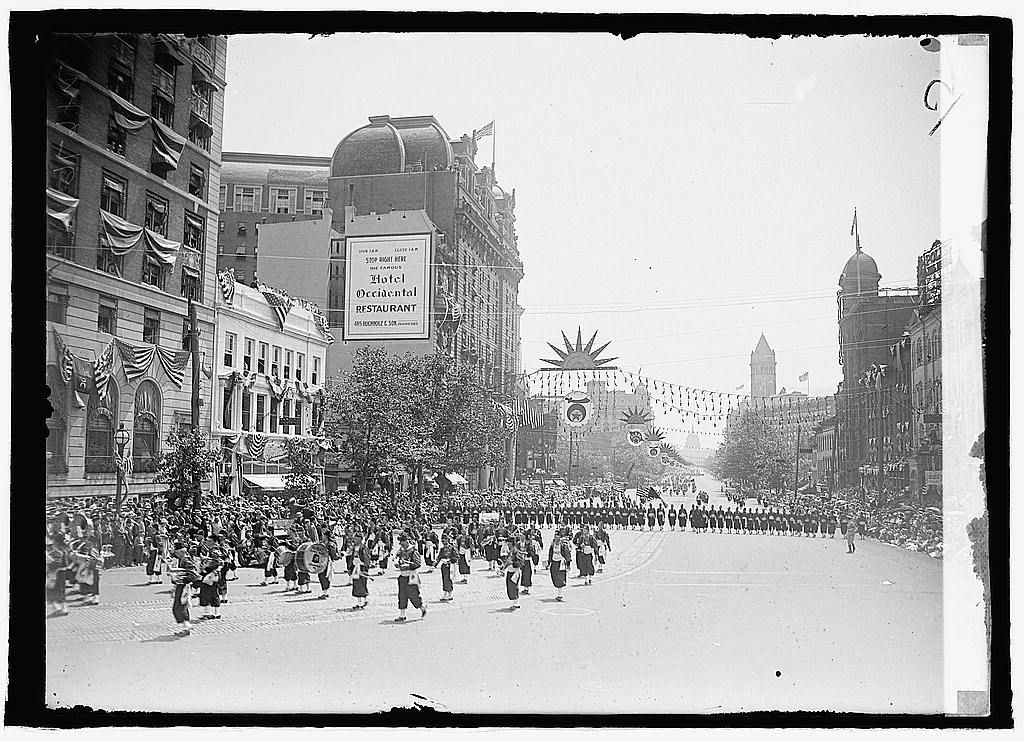
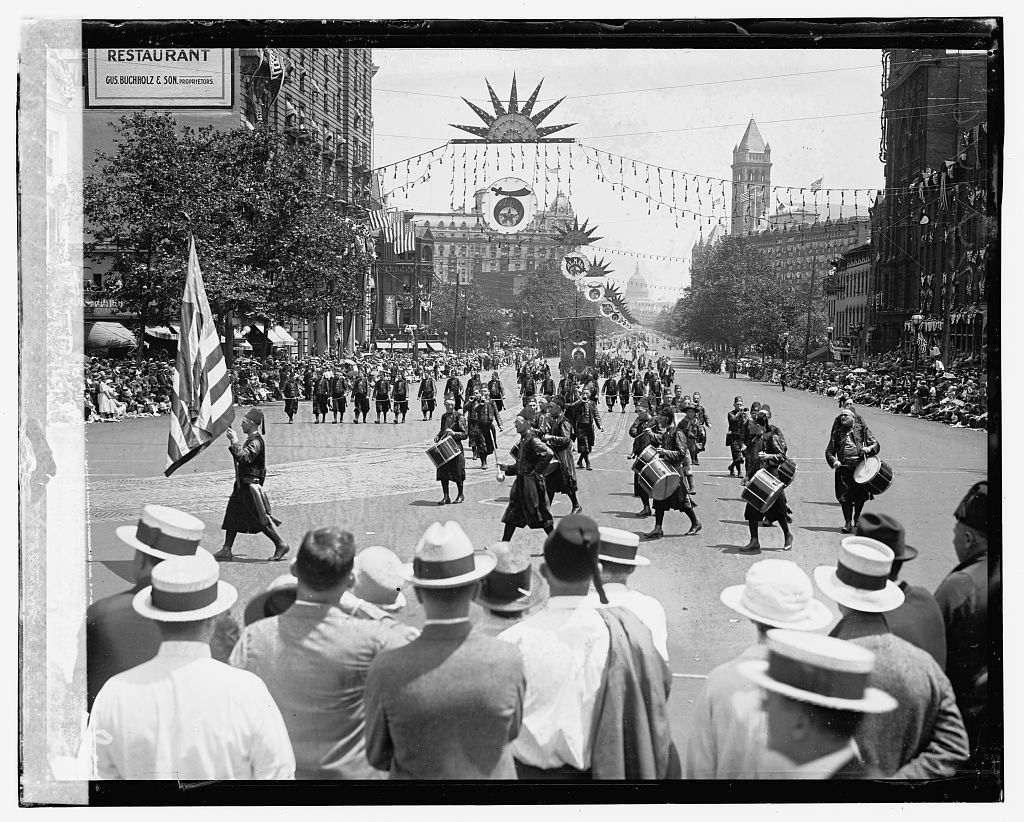
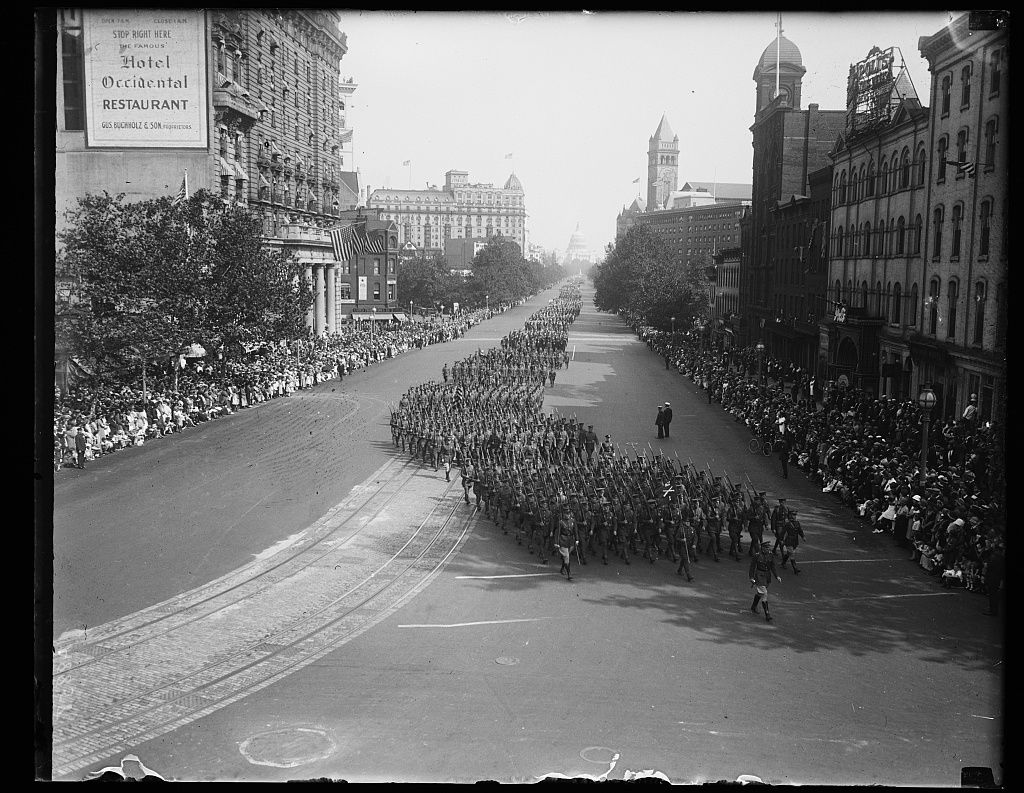
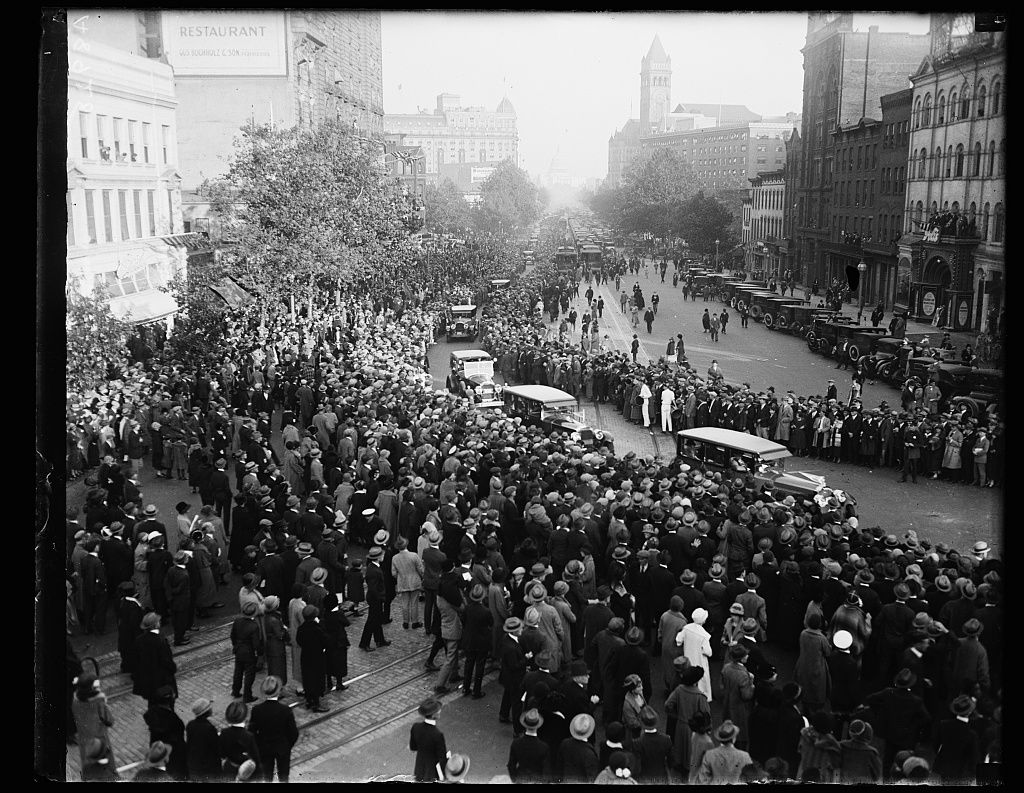
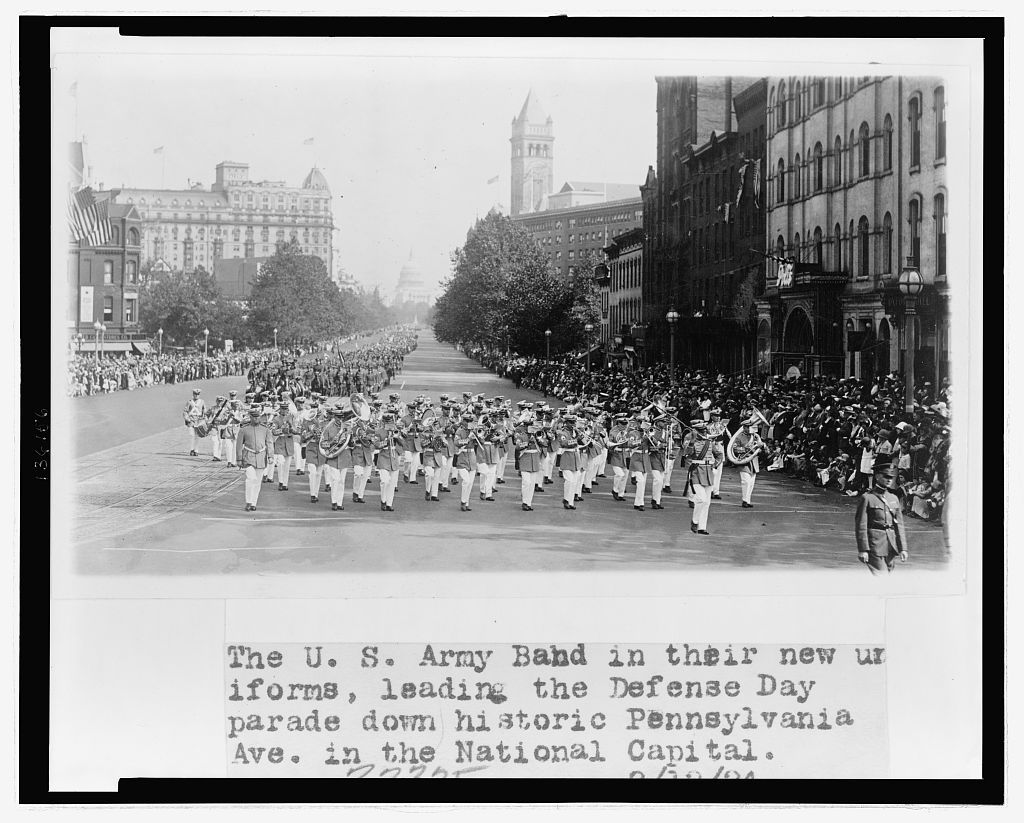
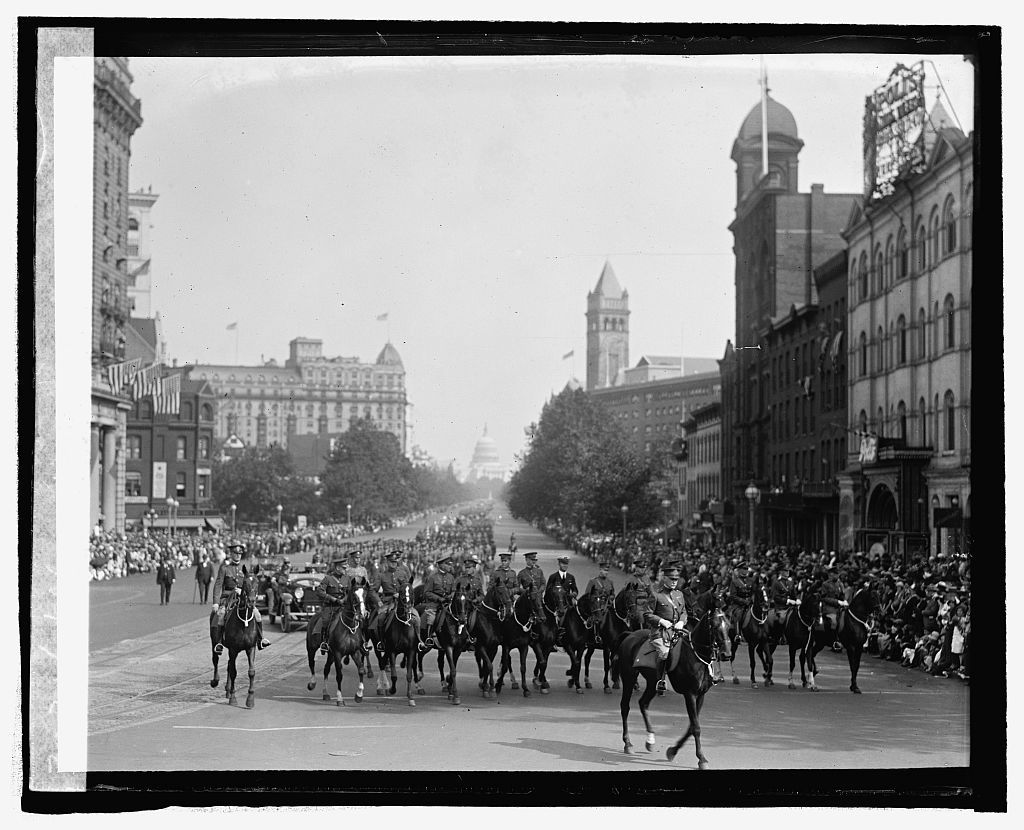
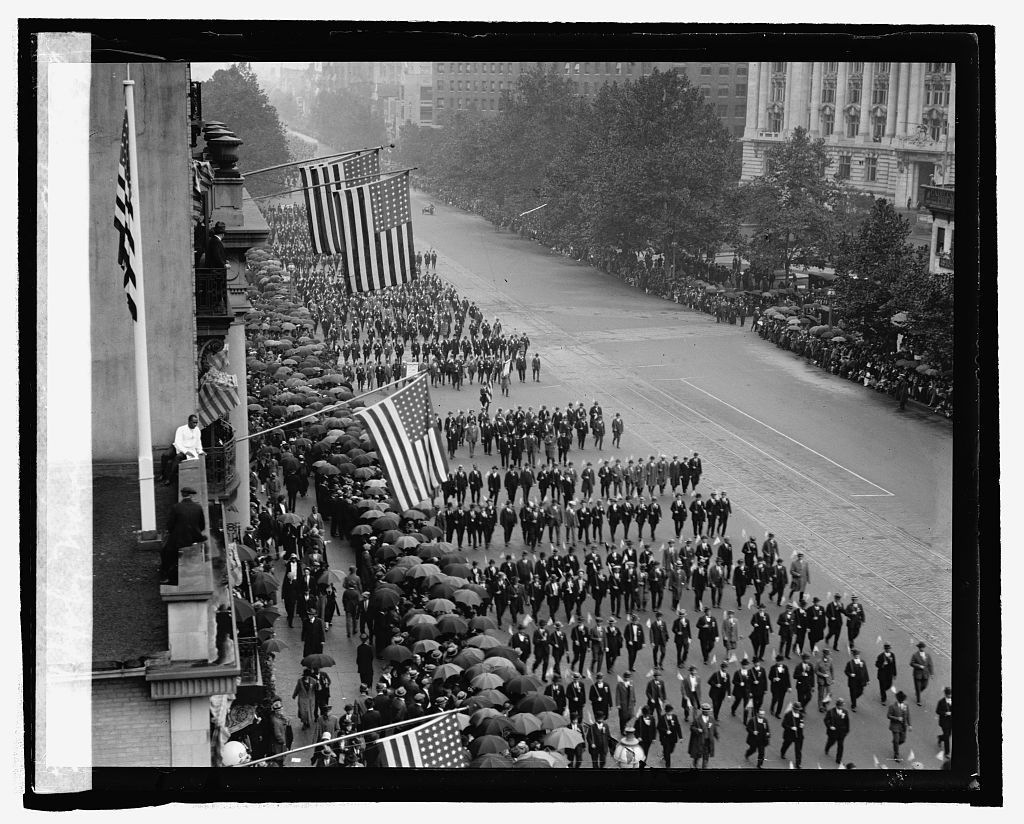
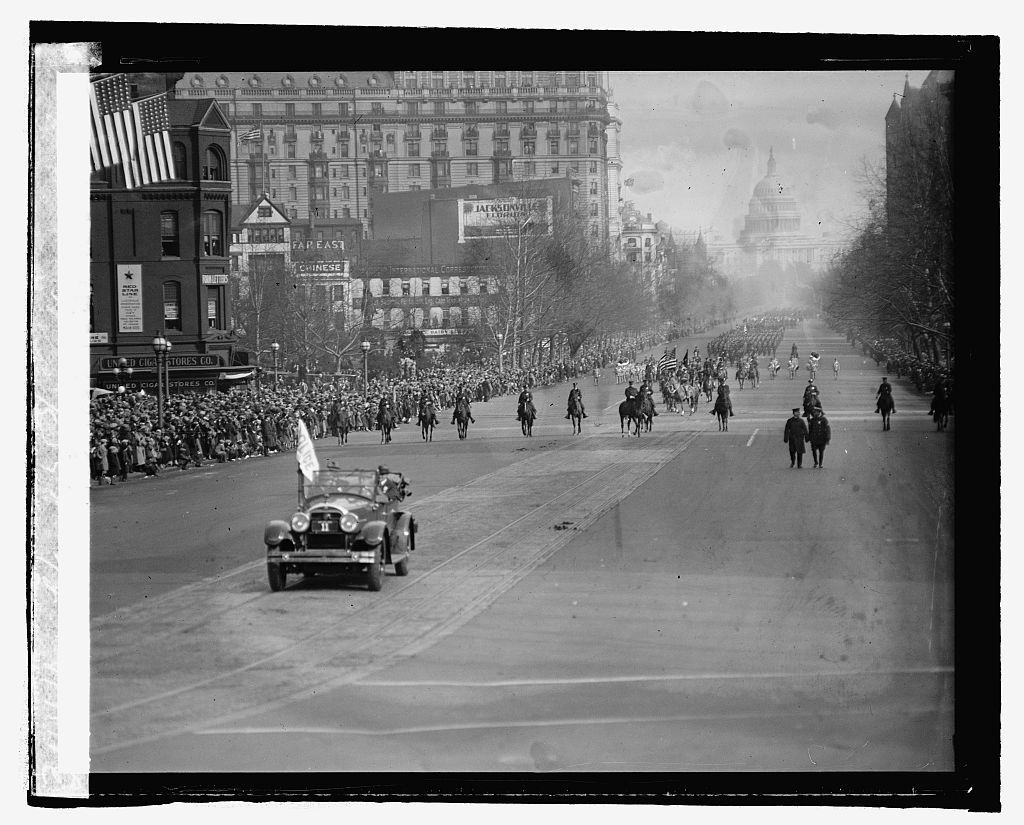
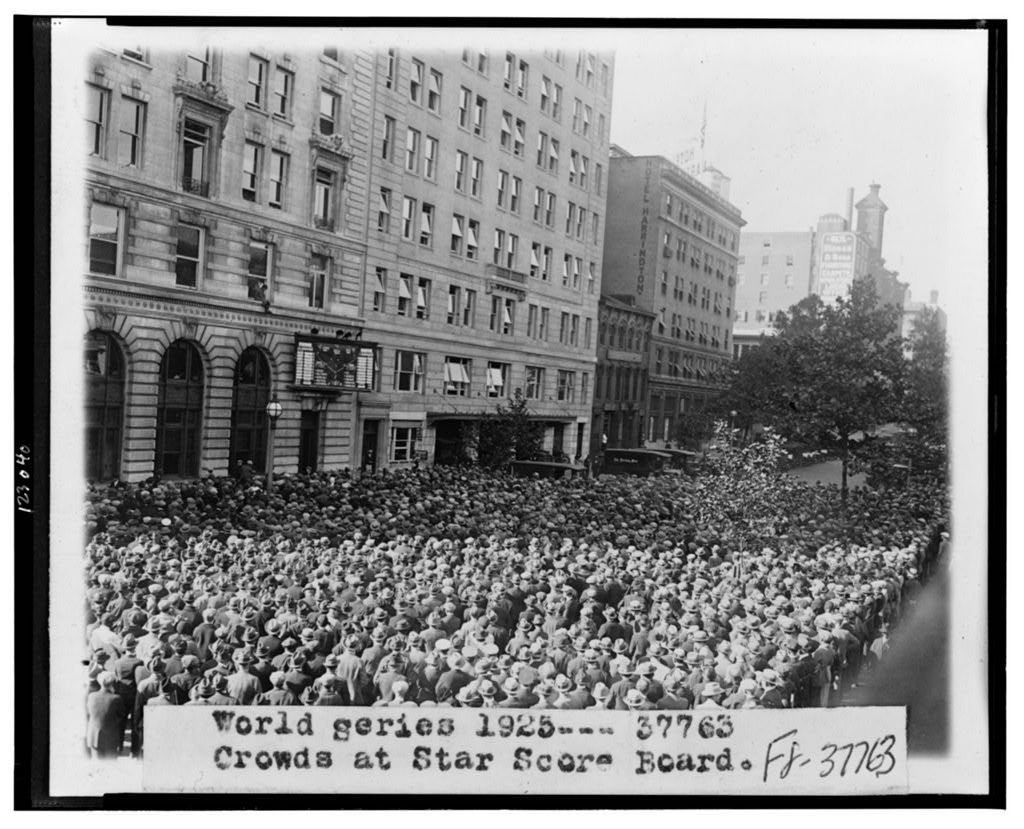
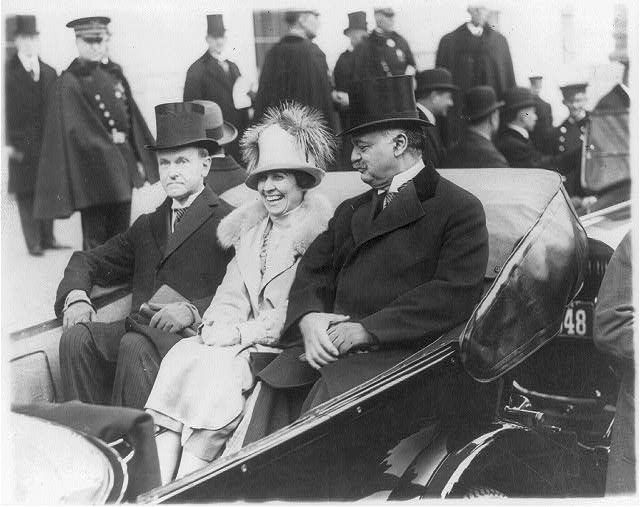
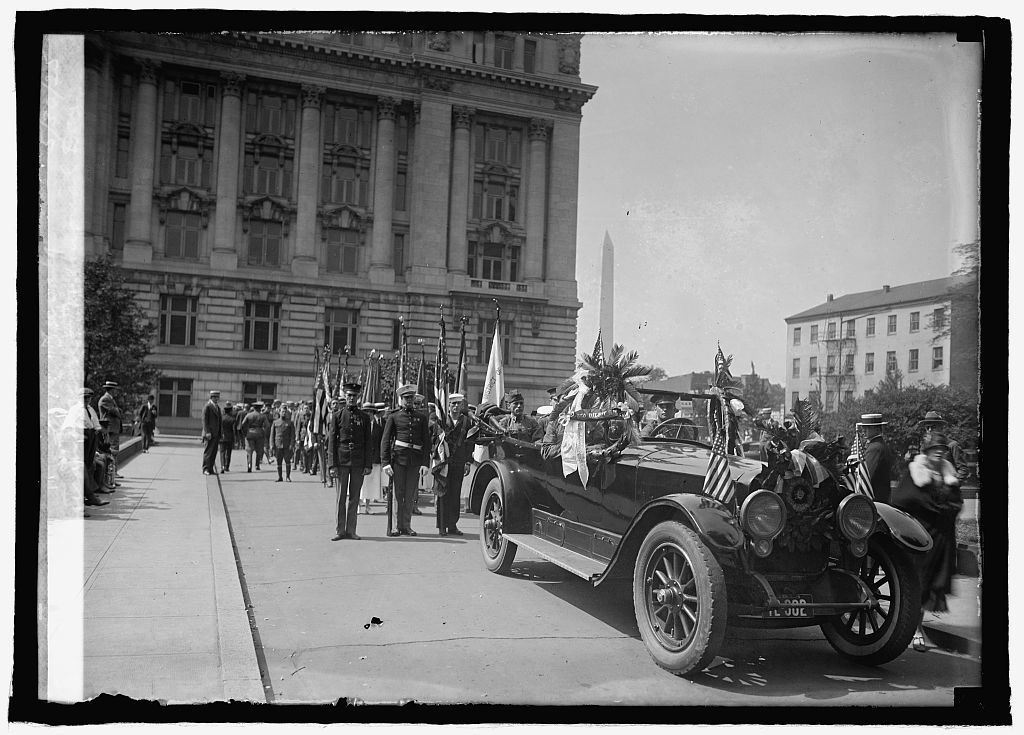
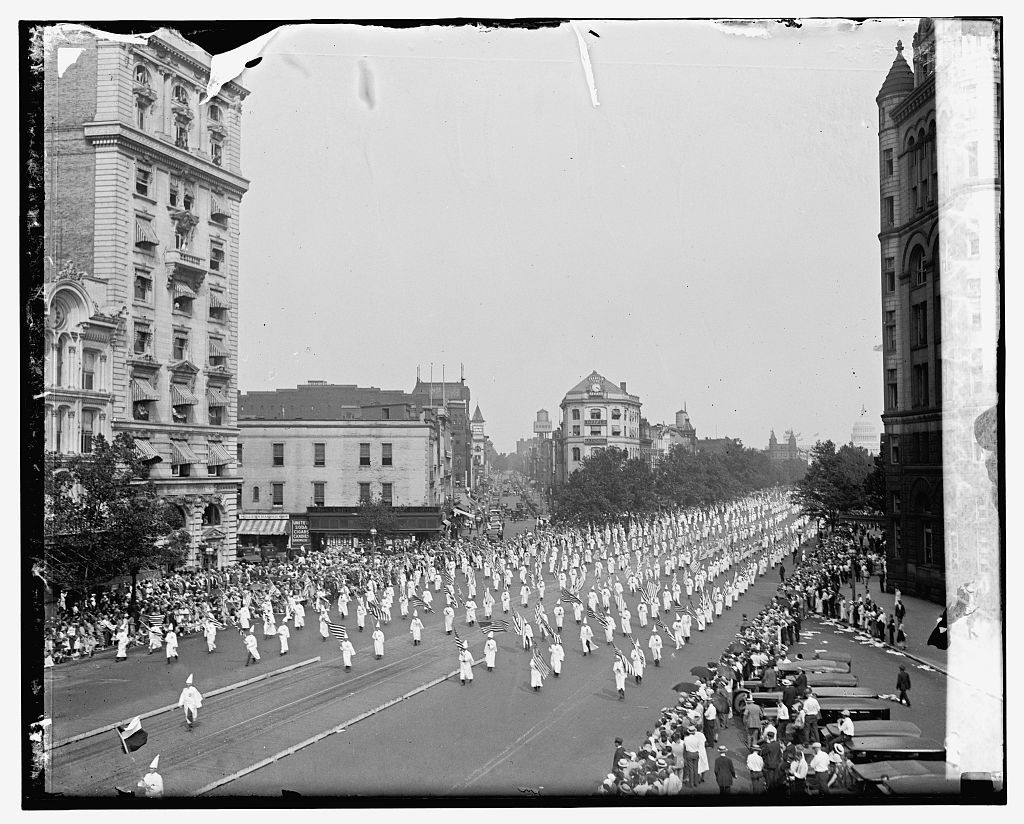
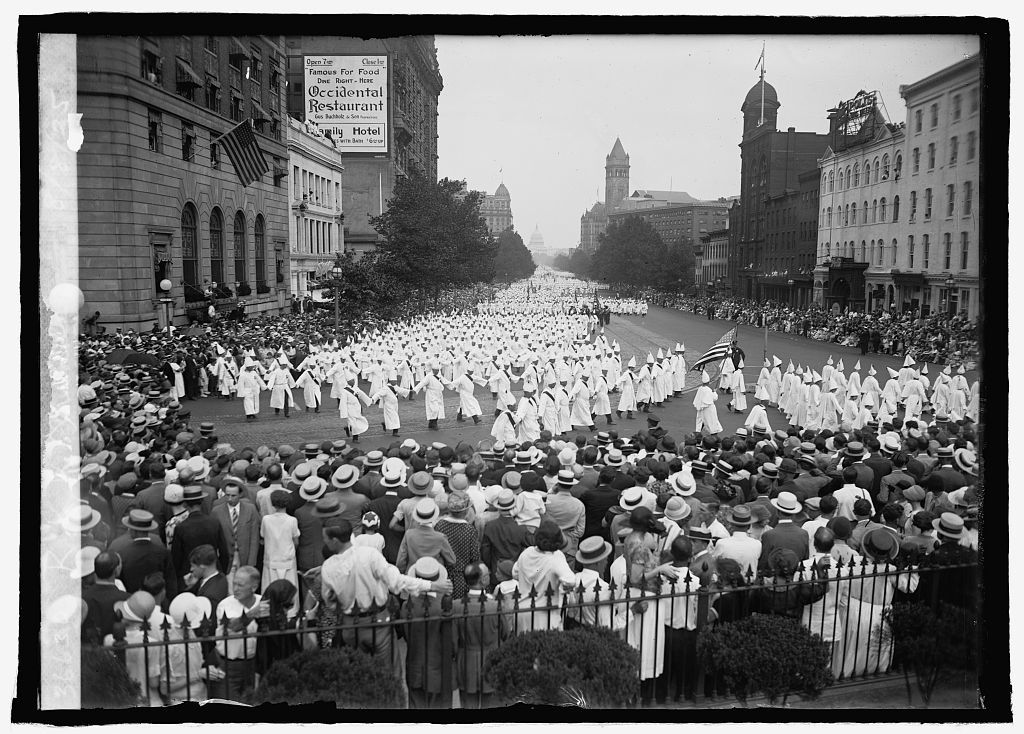
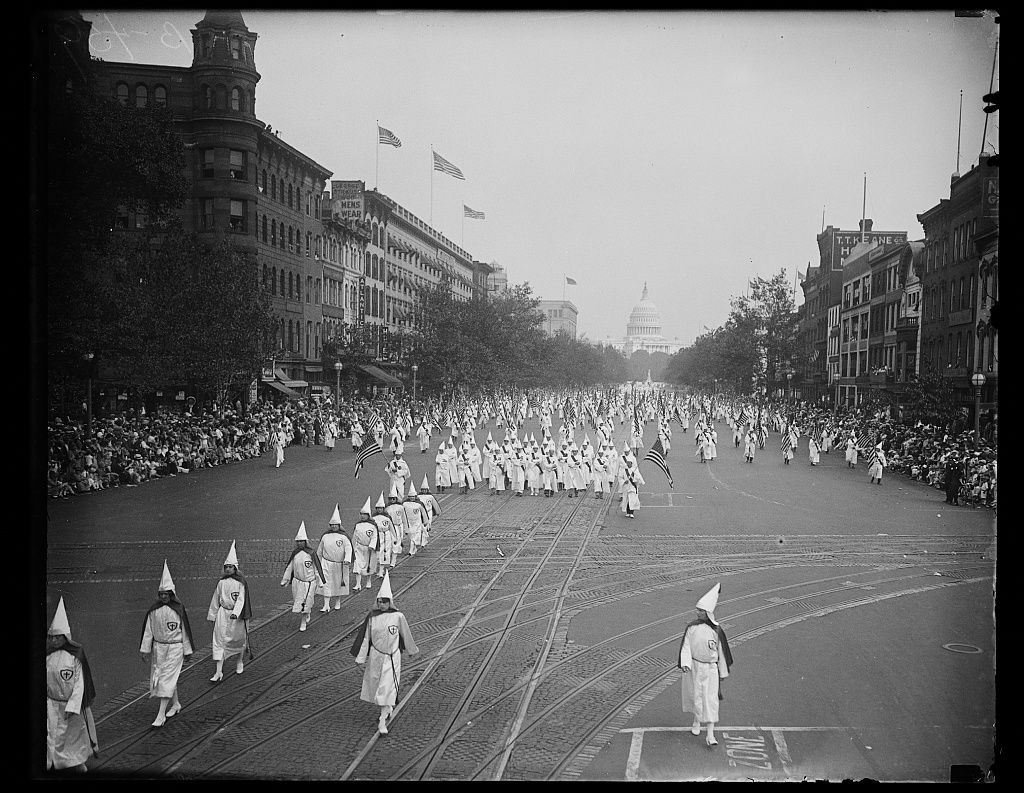
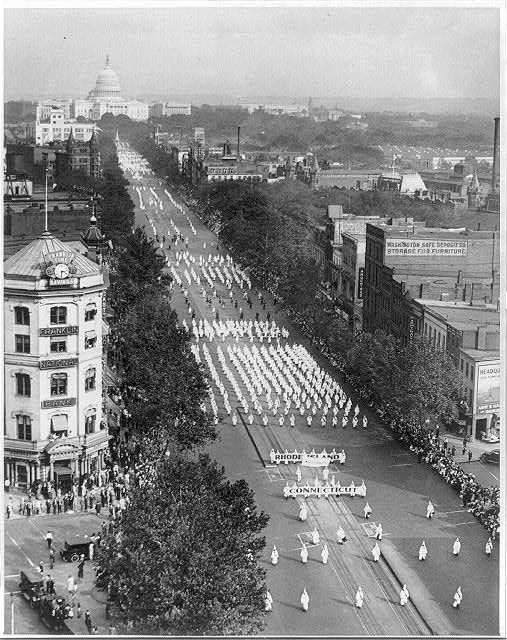
Every four years the inaugural parade came up the avenue from the Capitol, and in between it carried many of the other processions the city held: the Woman Suffrage Procession of March 3, 1913, Civil War veterans’ parades, the victory parades of 1919, presidents’ funerals, and in 1925 a march by the Ku Klux Klan.
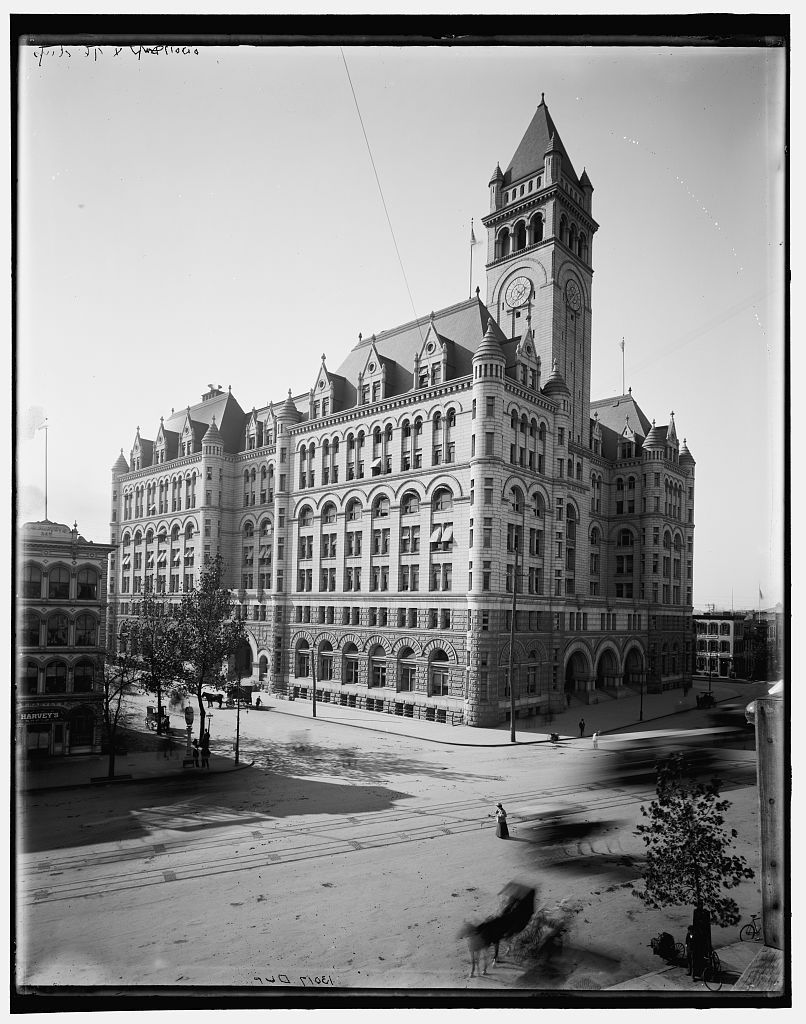
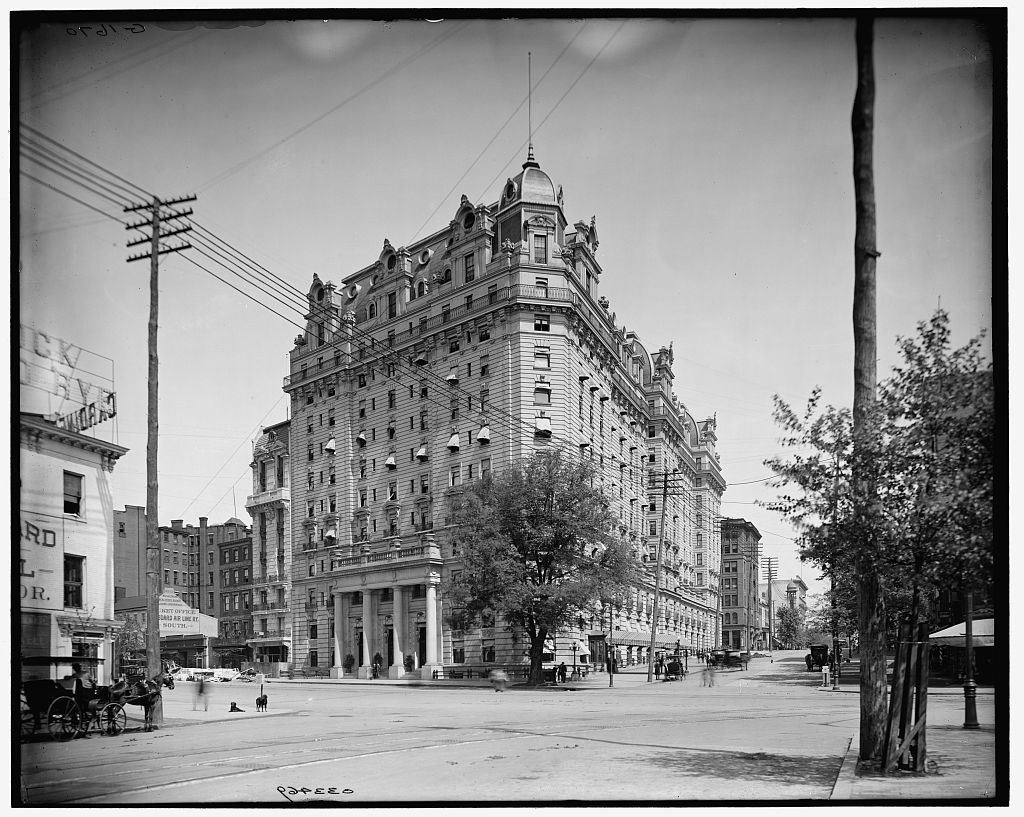
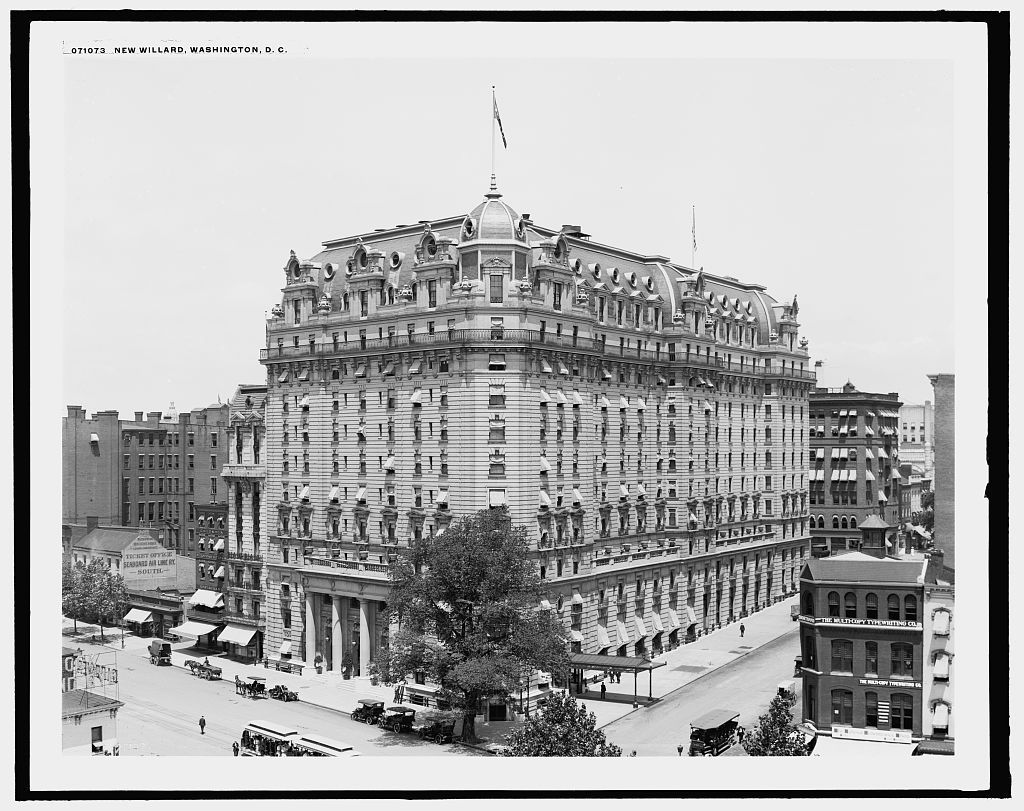
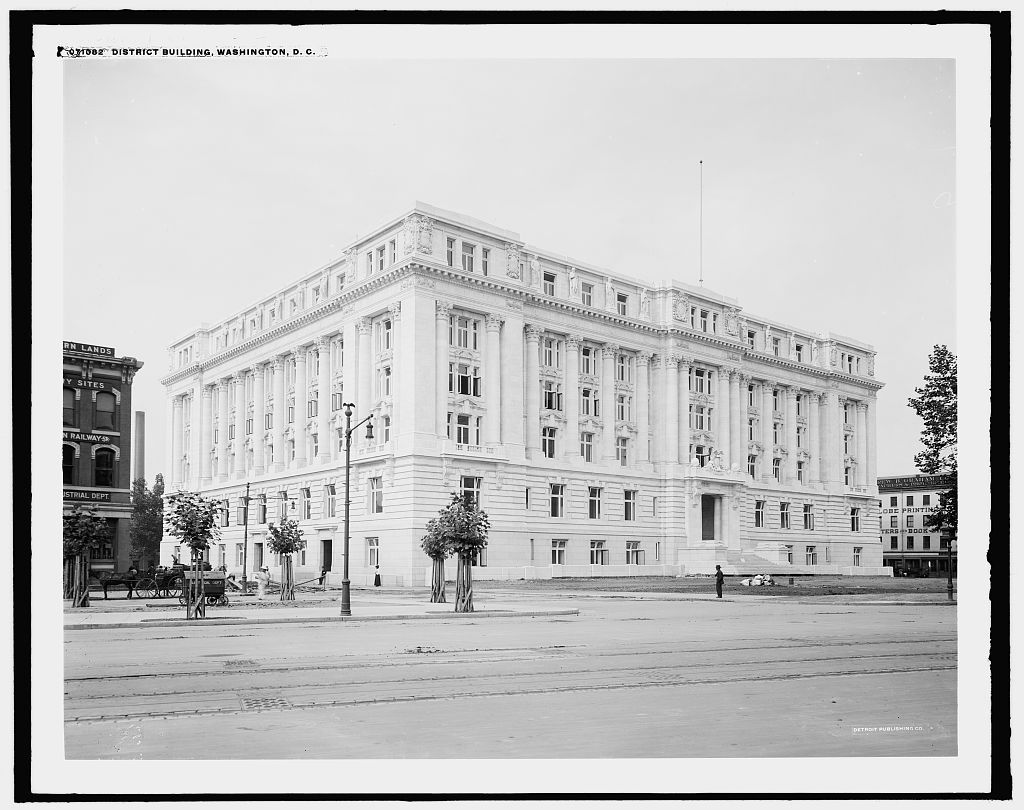
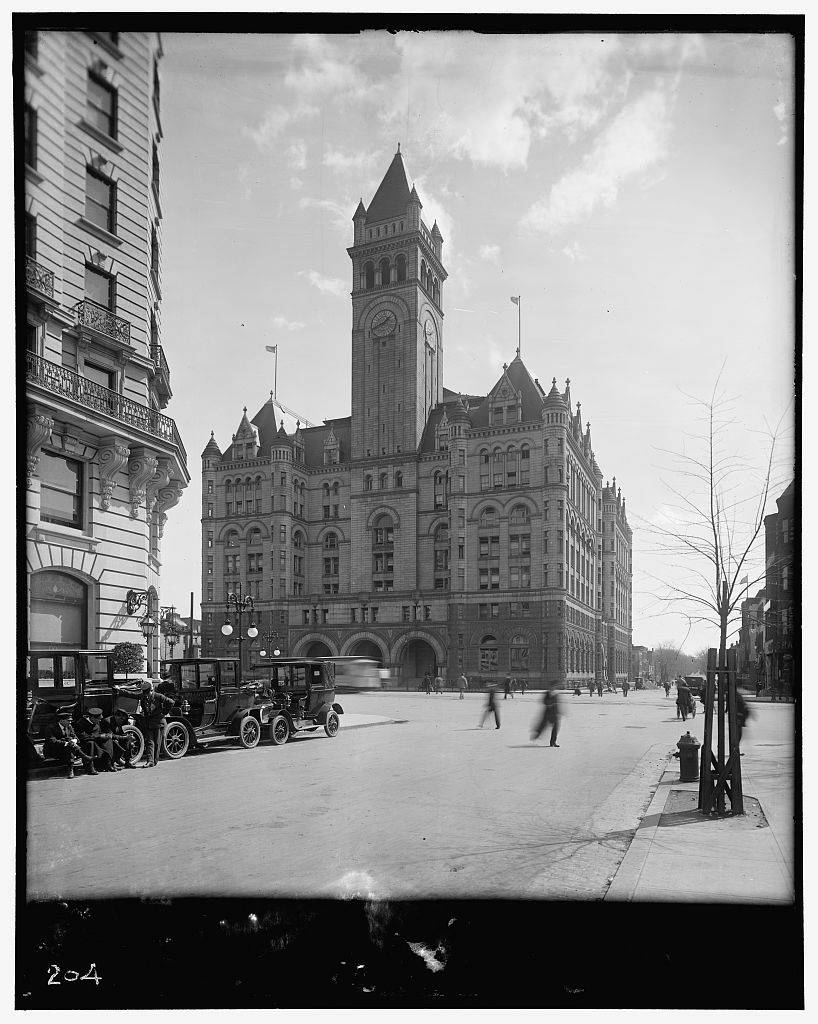
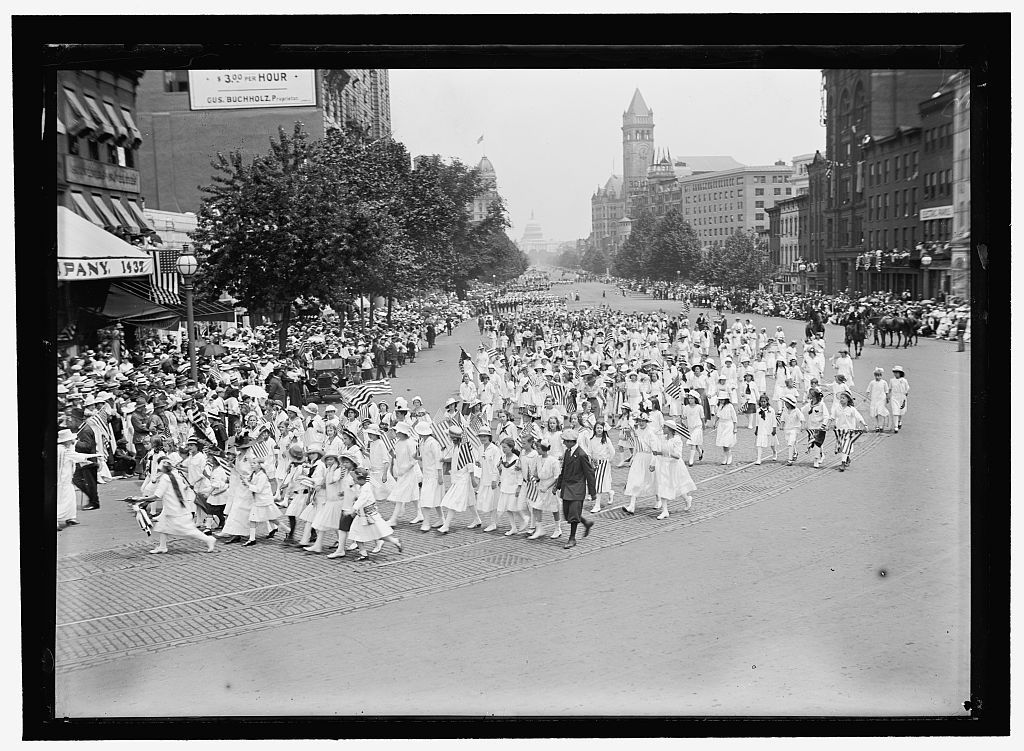
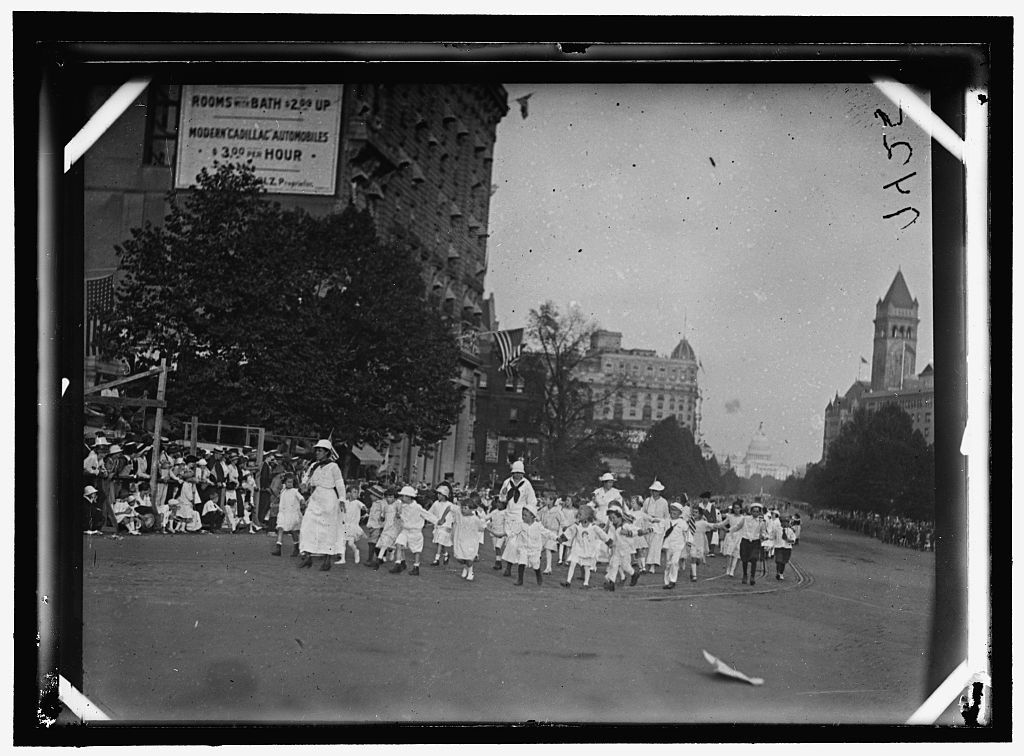
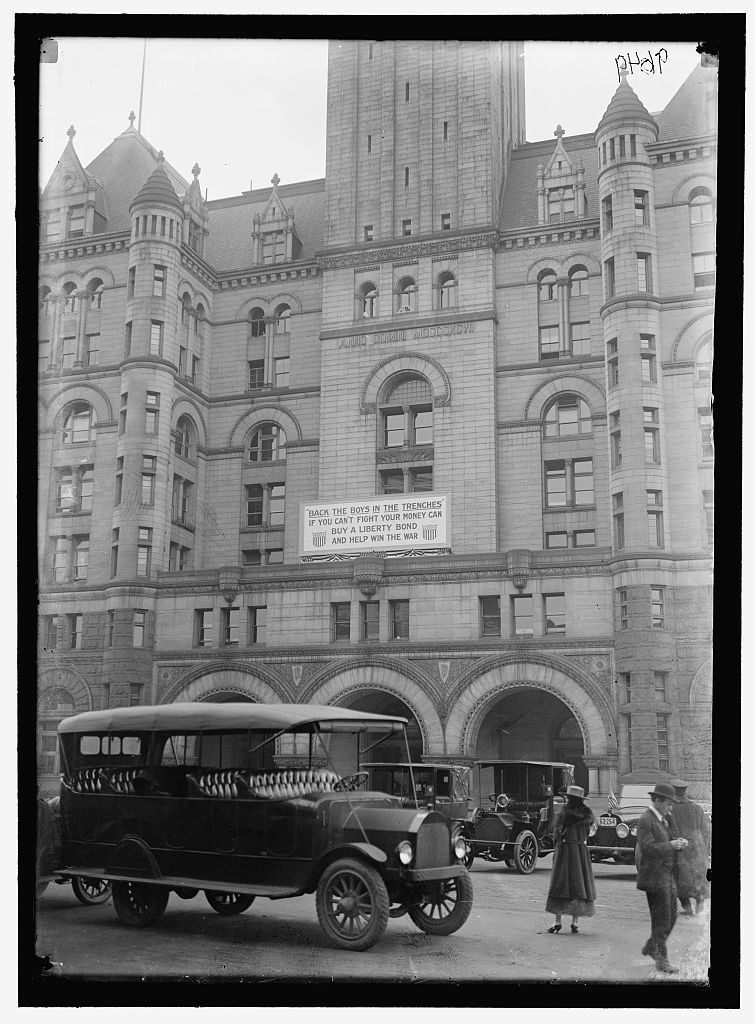
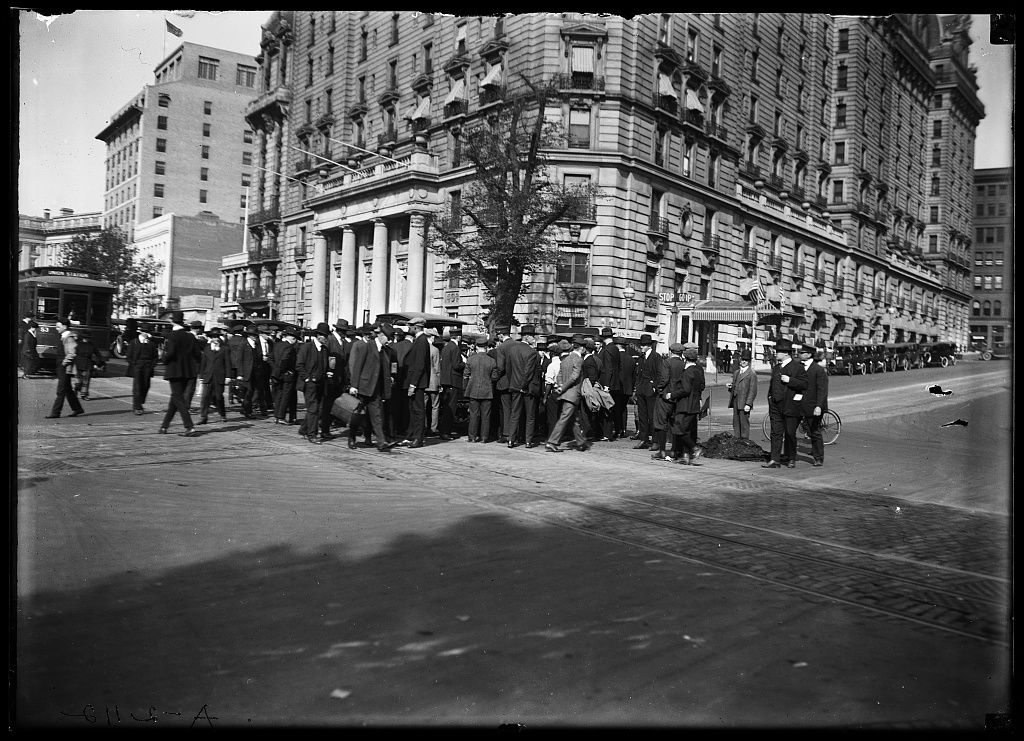
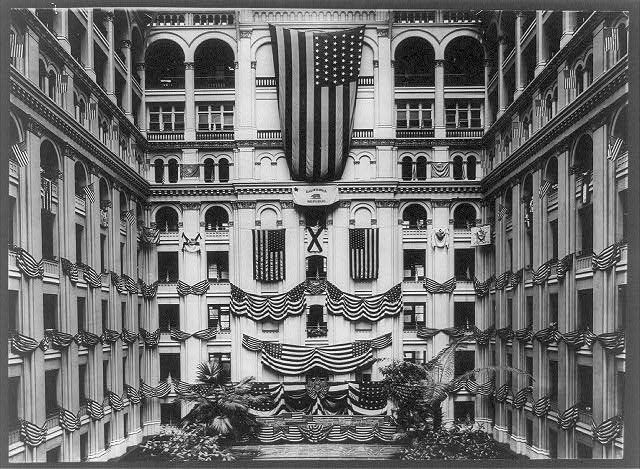
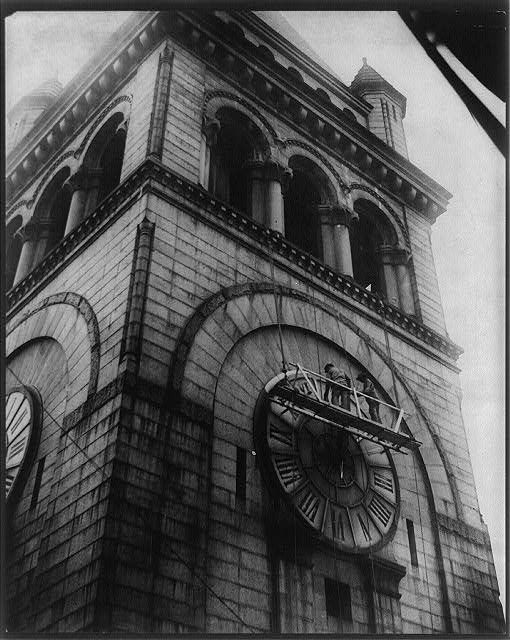
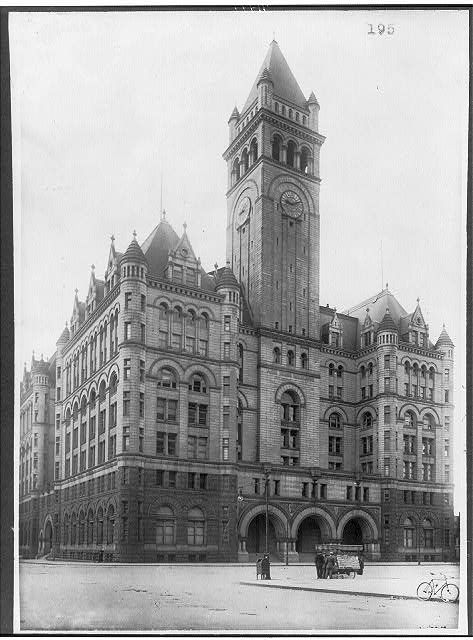
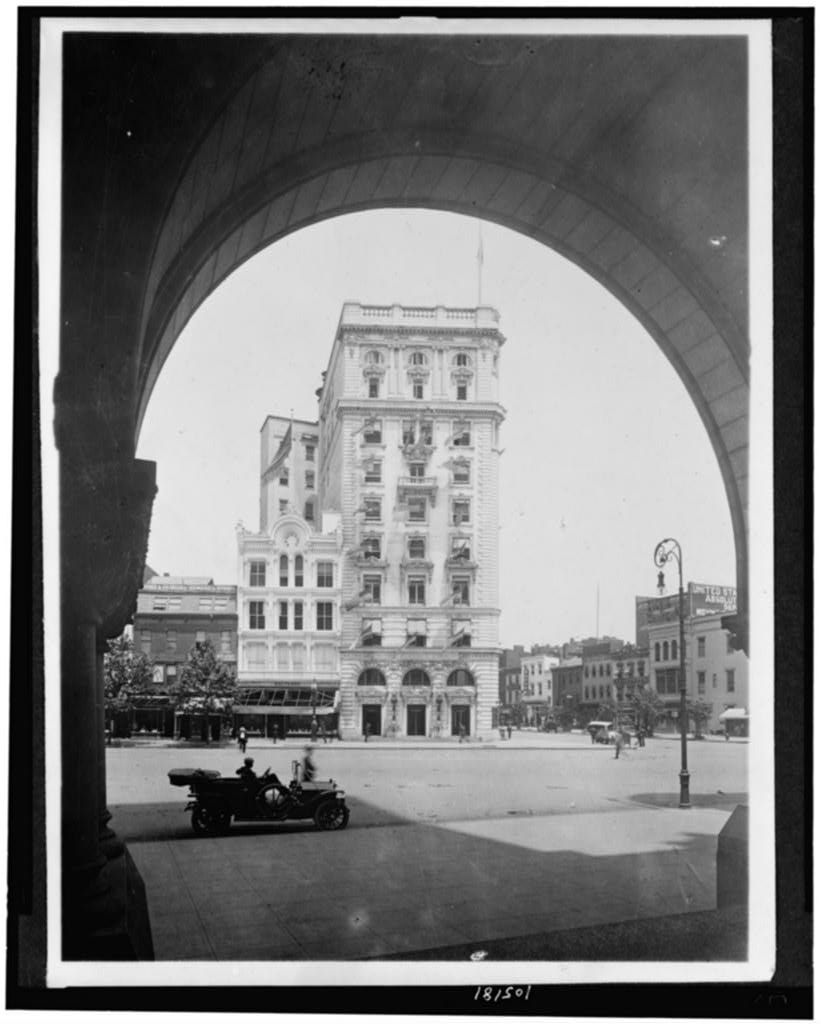
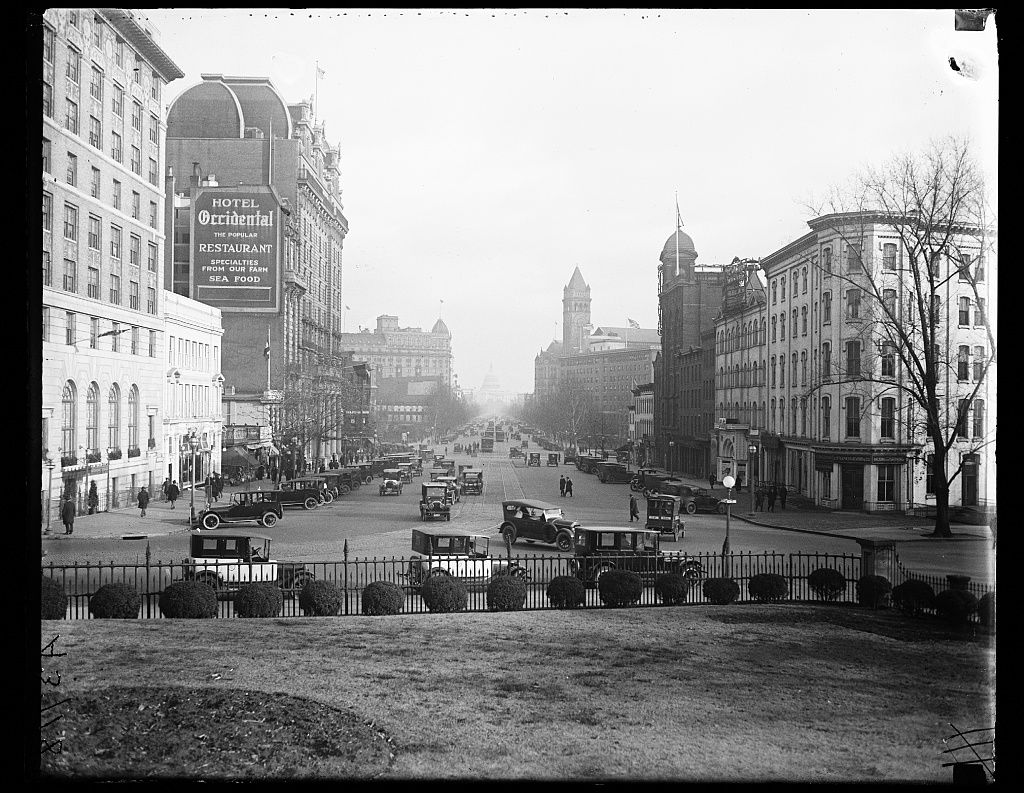
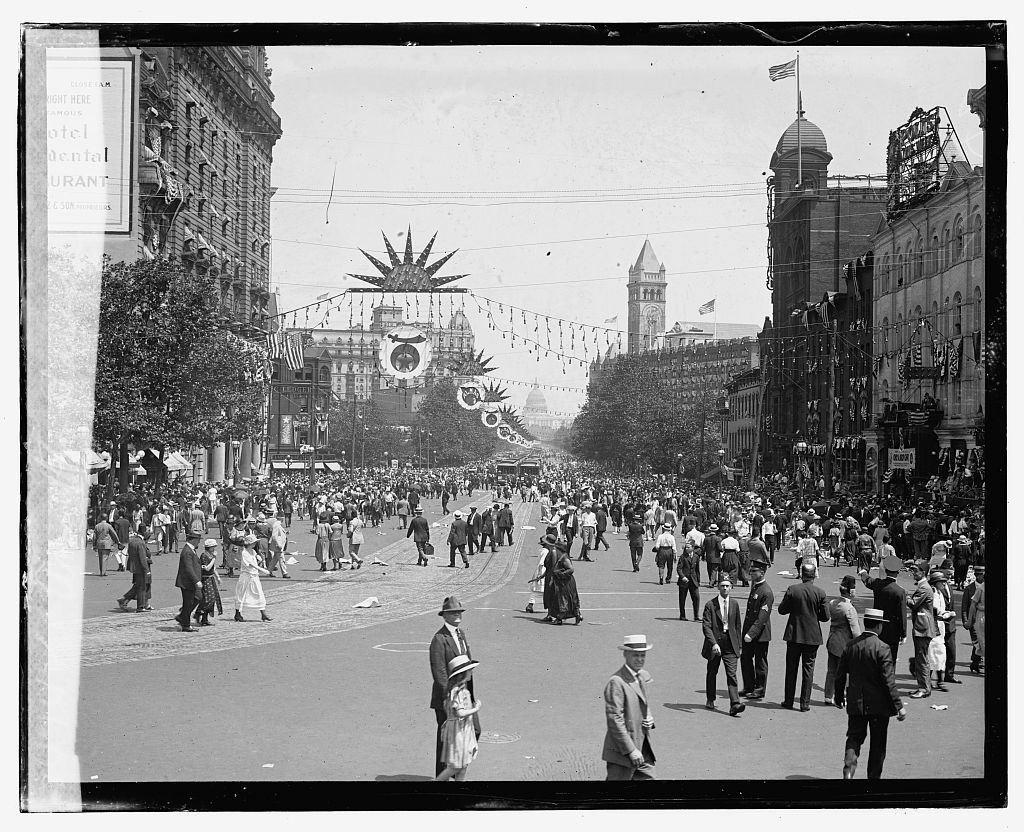
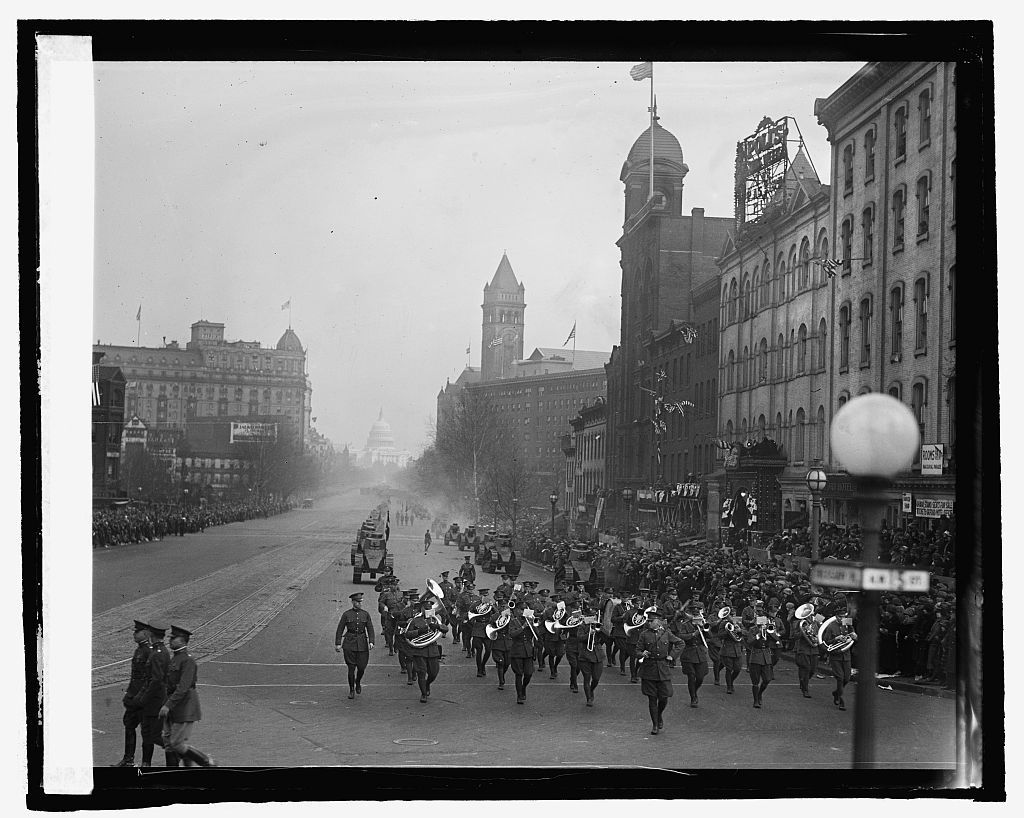
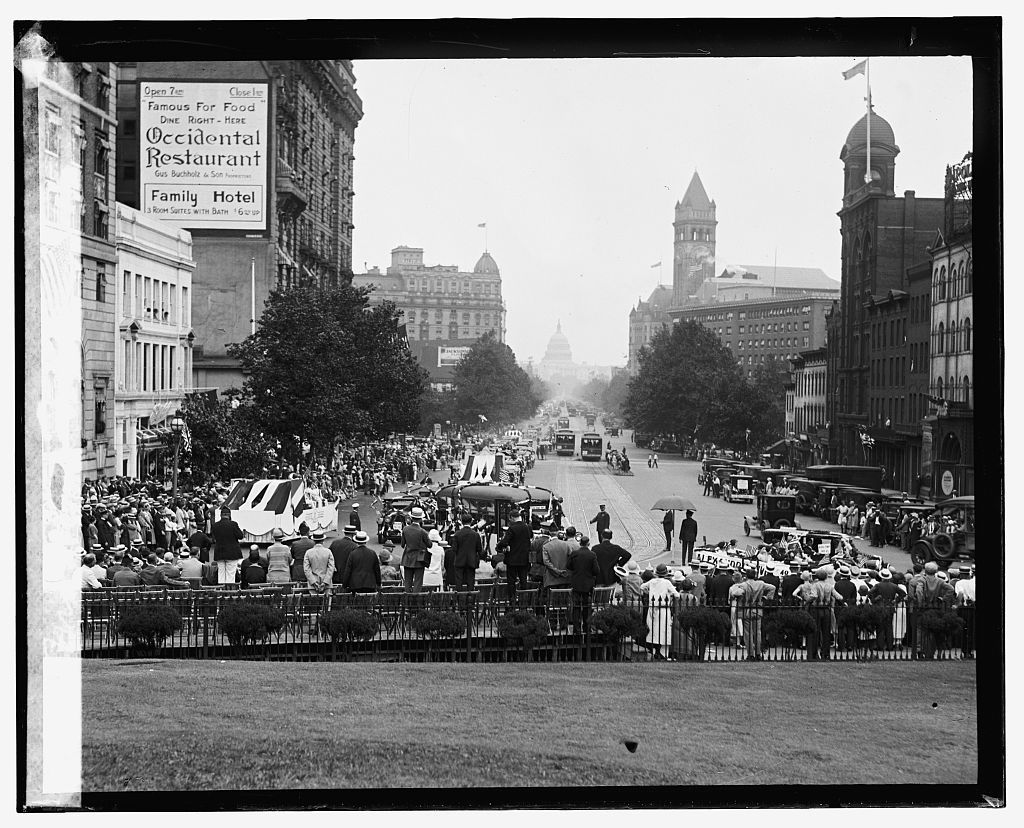
The Old Post Office (1899), with its clock tower, and the Willard Hotel (rebuilt 1901) are two of the buildings in these photographs that still stand. The District Building, the city’s government offices, was completed in 1908 at 14th Street.
What's there now
The stretch from the Capitol to the White House is now lined on the south side by the Federal Triangle (built from the late 1920s) and the National Archives, and on the north by offices and the Canadian embassy (1989). Freedom Plaza (1980) and Pershing Park (1981, now the National World War I Memorial) were laid out beside it. The avenue is still the inaugural parade route, and the section in front of the White House has been closed to traffic since 1995.
Then and now
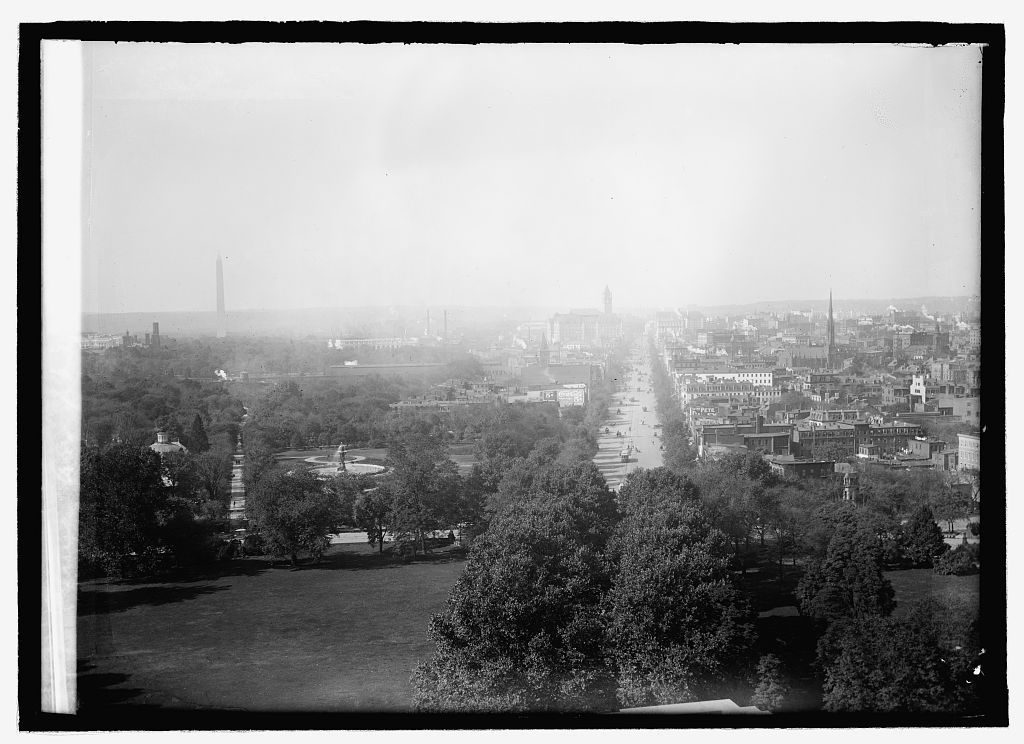
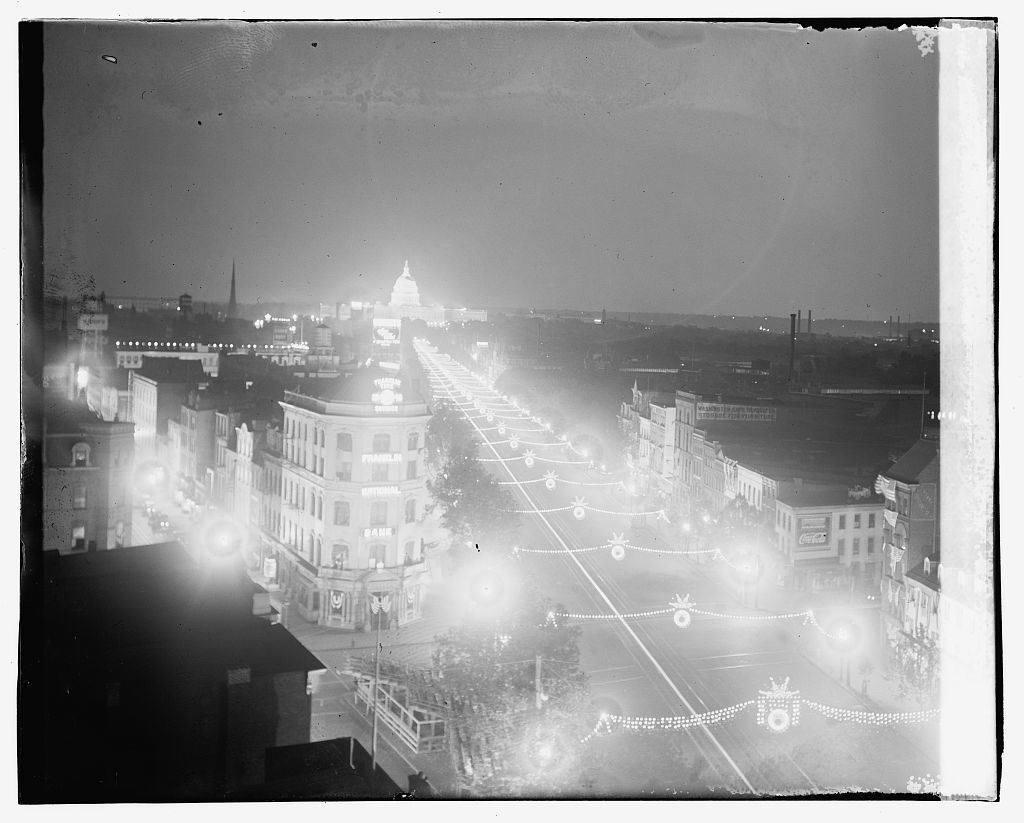
The view east to the Capitol dome is the same, and the Old Post Office tower and the Willard are still landmarks. Almost everything else on the south side has changed: the rows of small nineteenth-century buildings in these photographs, and Center Market, were cleared for the uniform limestone of the Federal Triangle. Streetcars ran on the avenue until 1962.
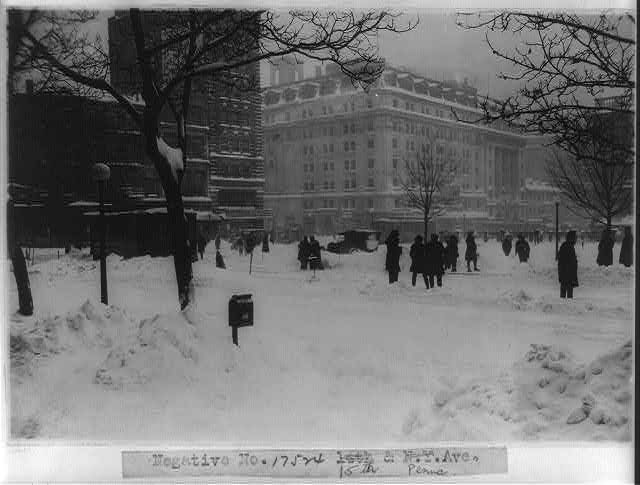
Compare: Pennsylvania Avenue from 15th Street, 1916–17 and 1919.
Photographs 134, oldest first
Nearby: Center Market · The Mall · Downtown and F Street · The Treasury · The Washington Monument