 1915 DC
The ceremonial core · 113 photographs
The White House and Lafayette Square
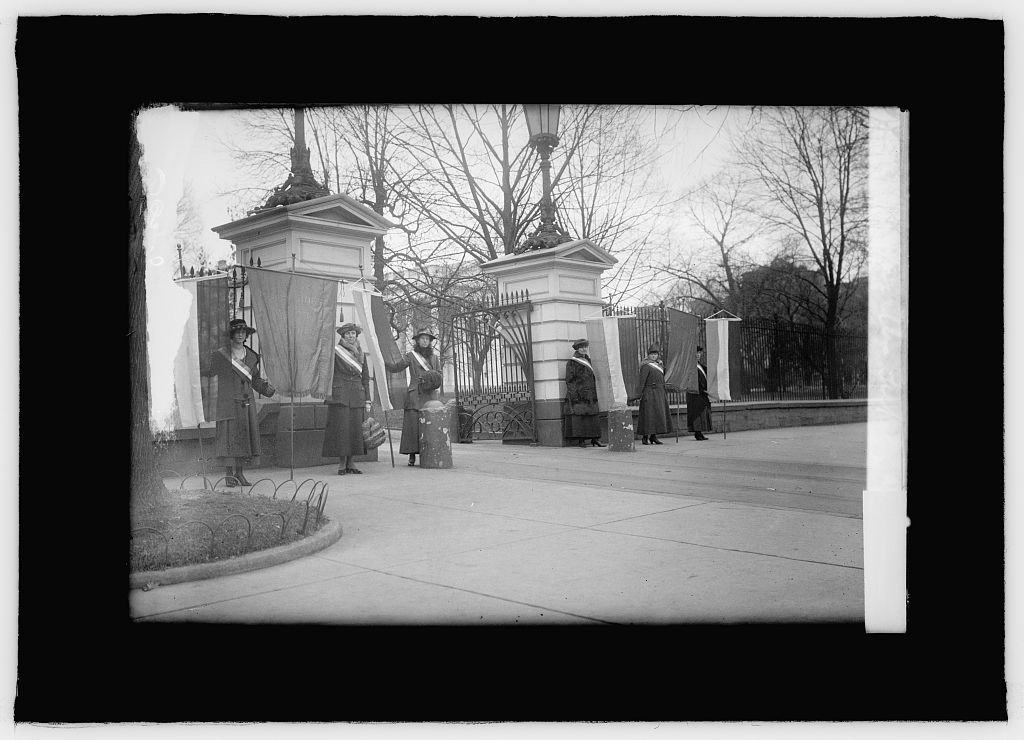
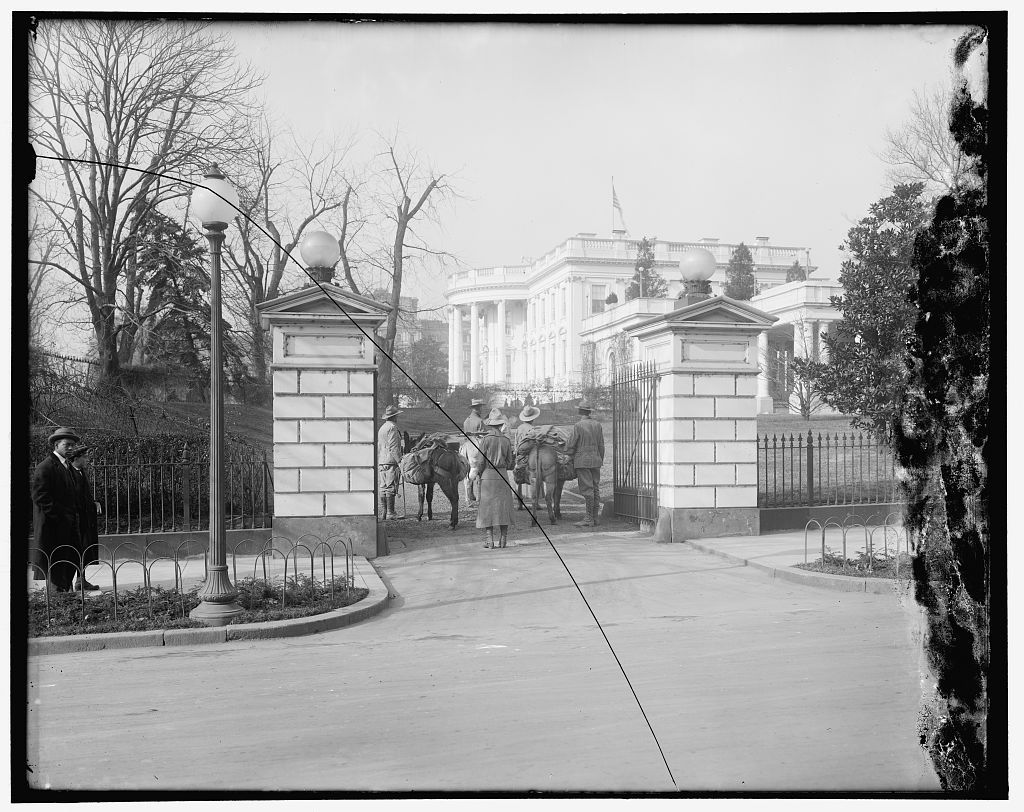
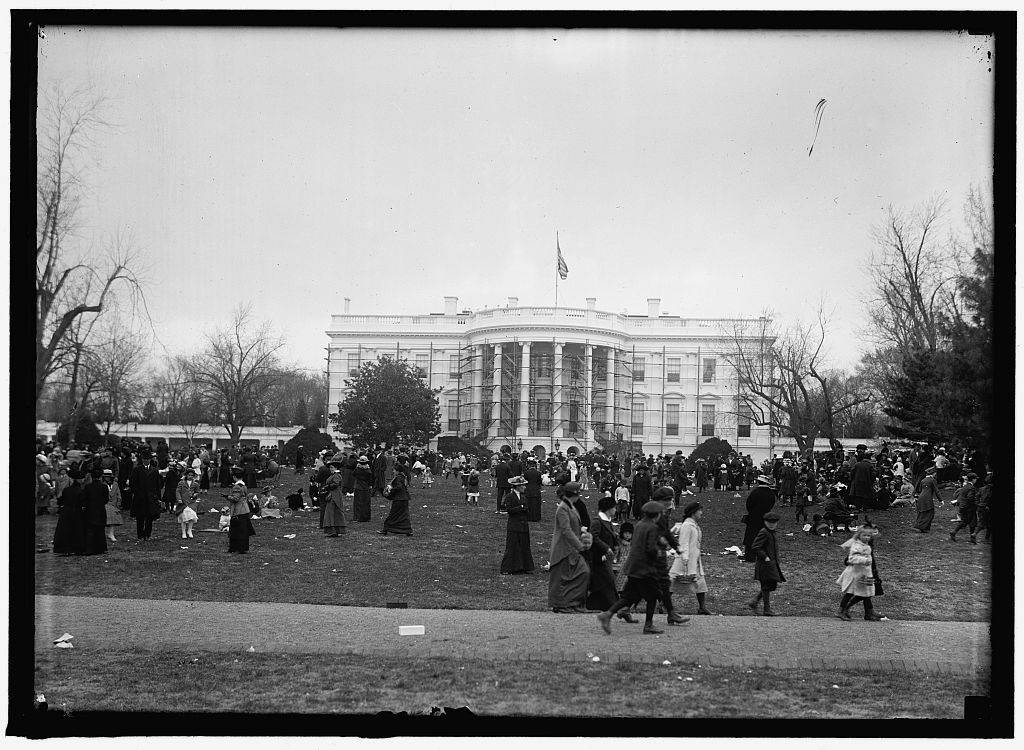
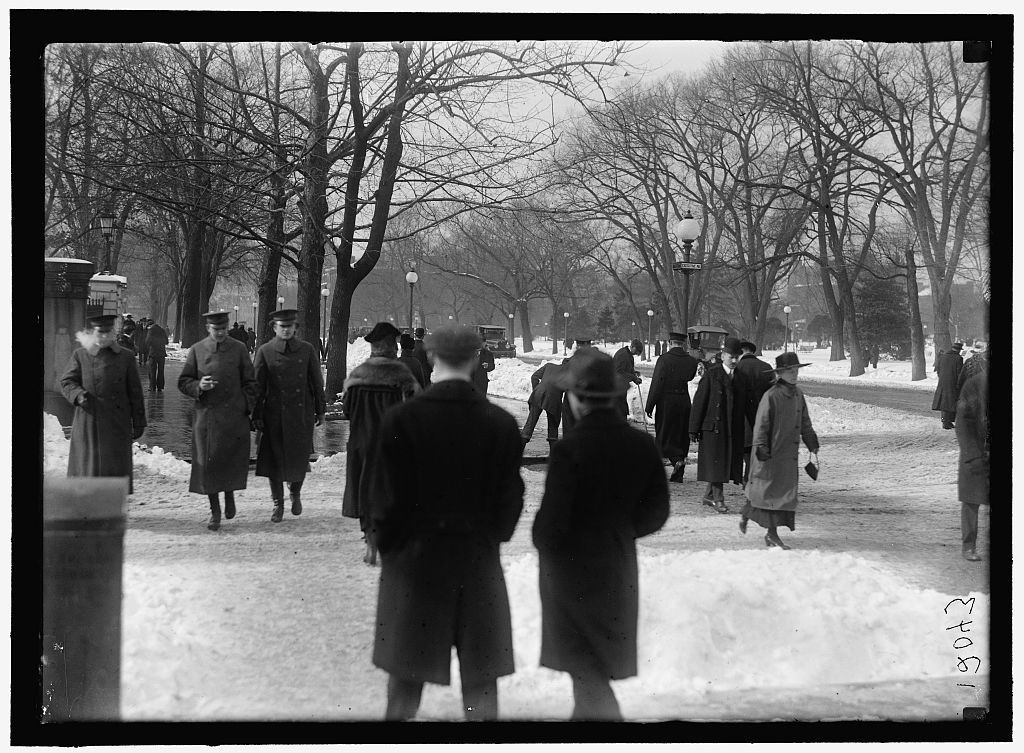
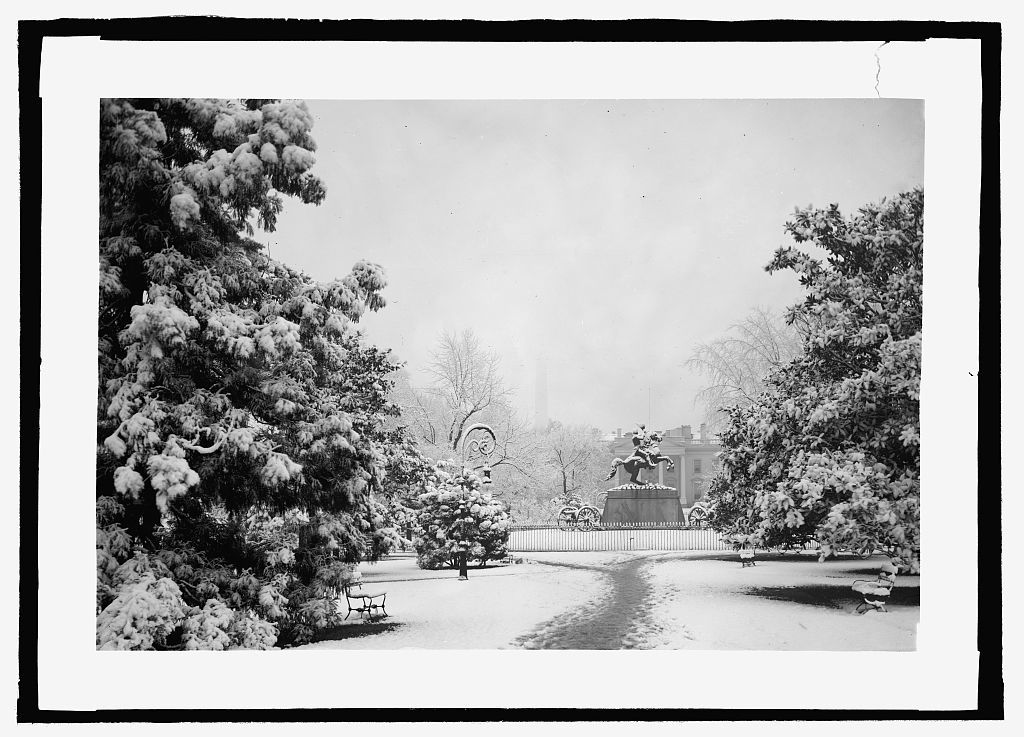
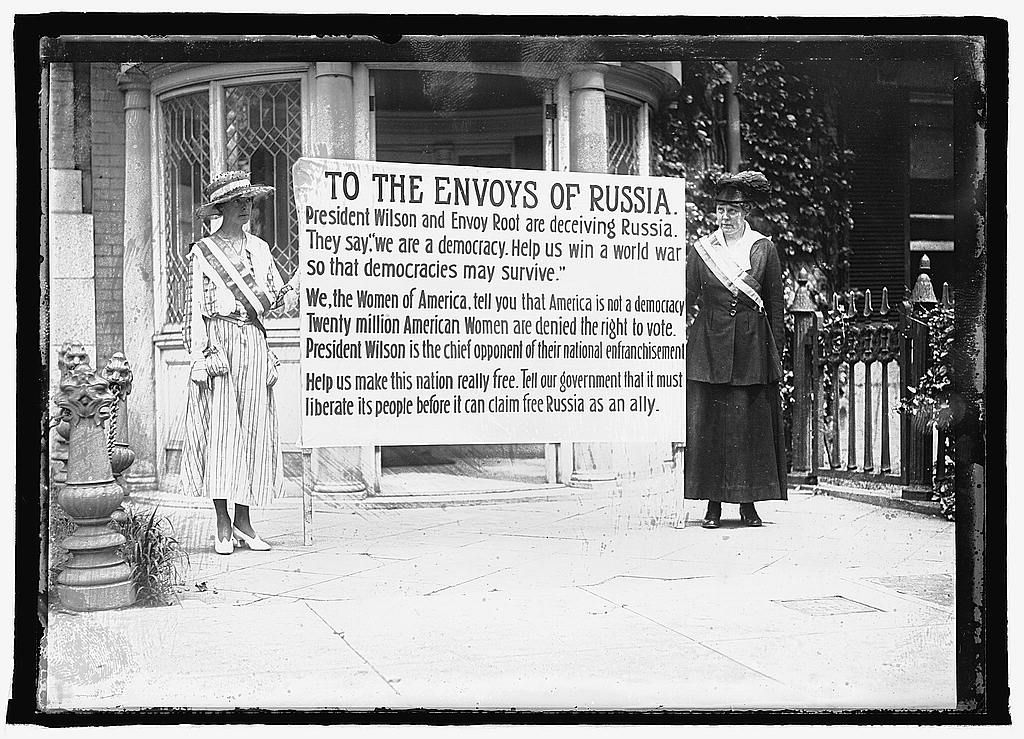
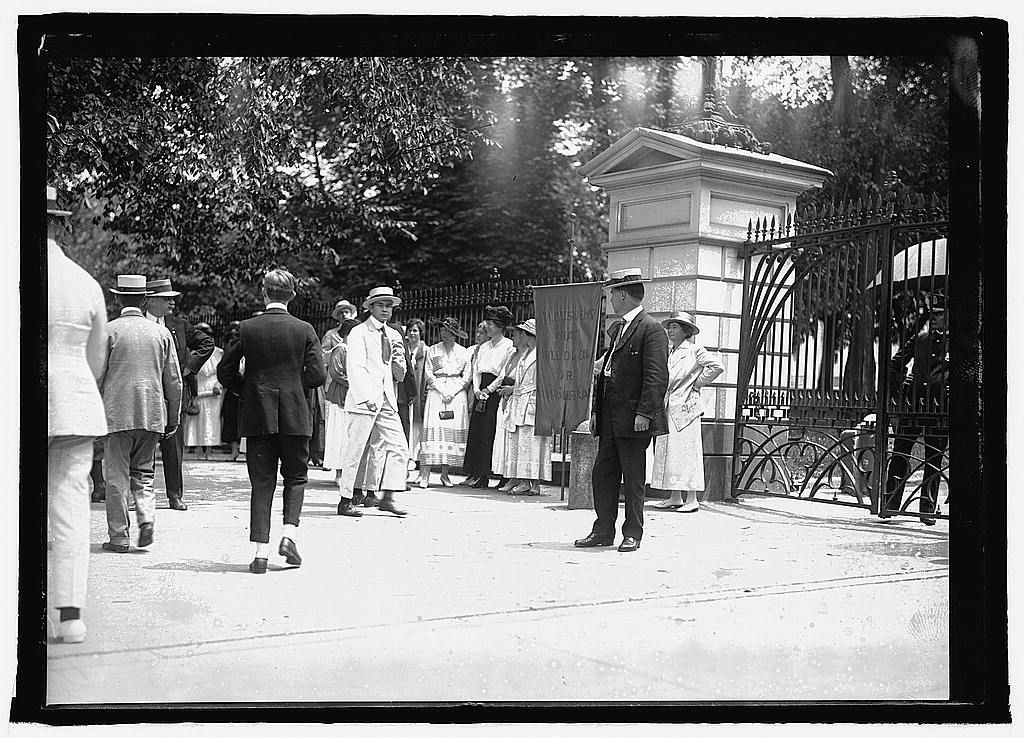
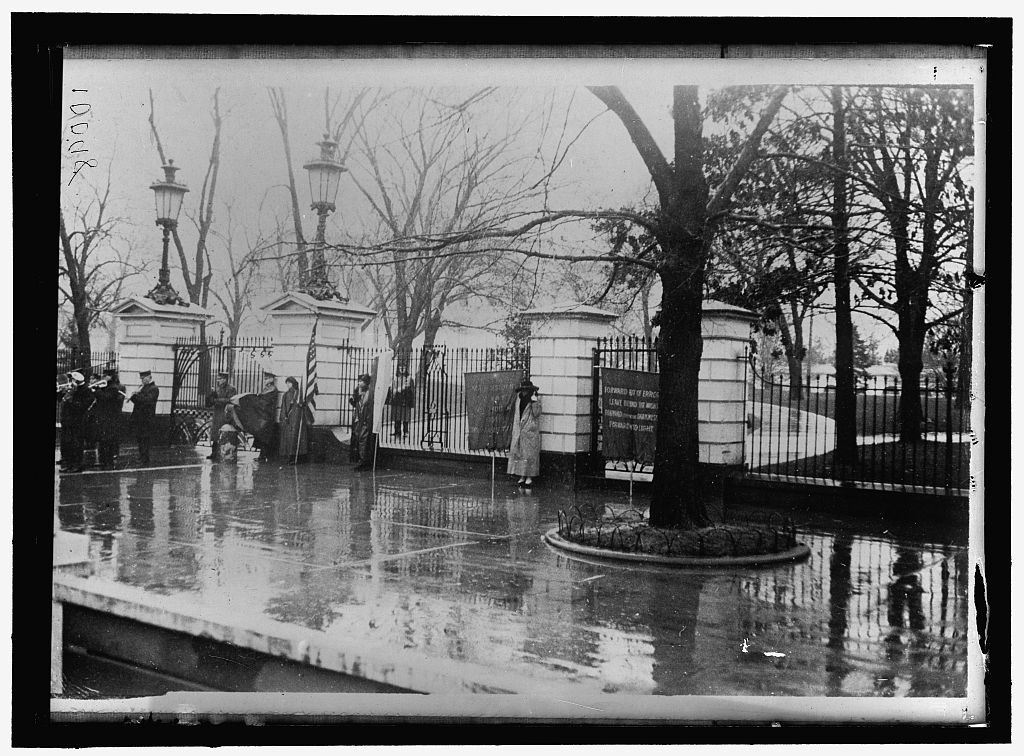
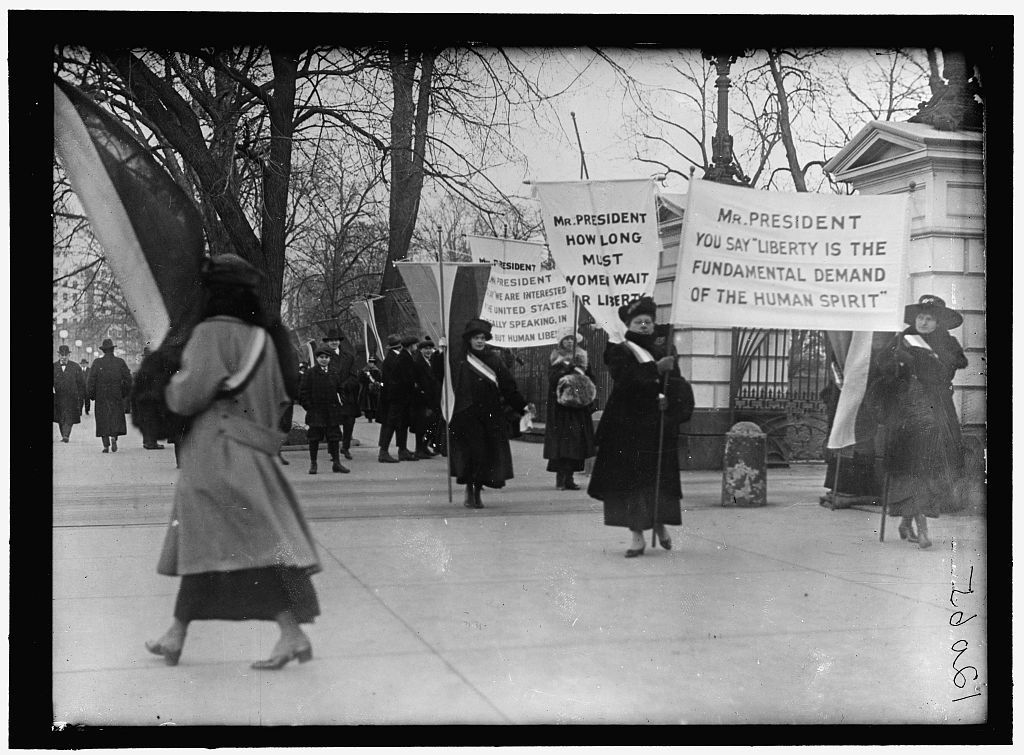
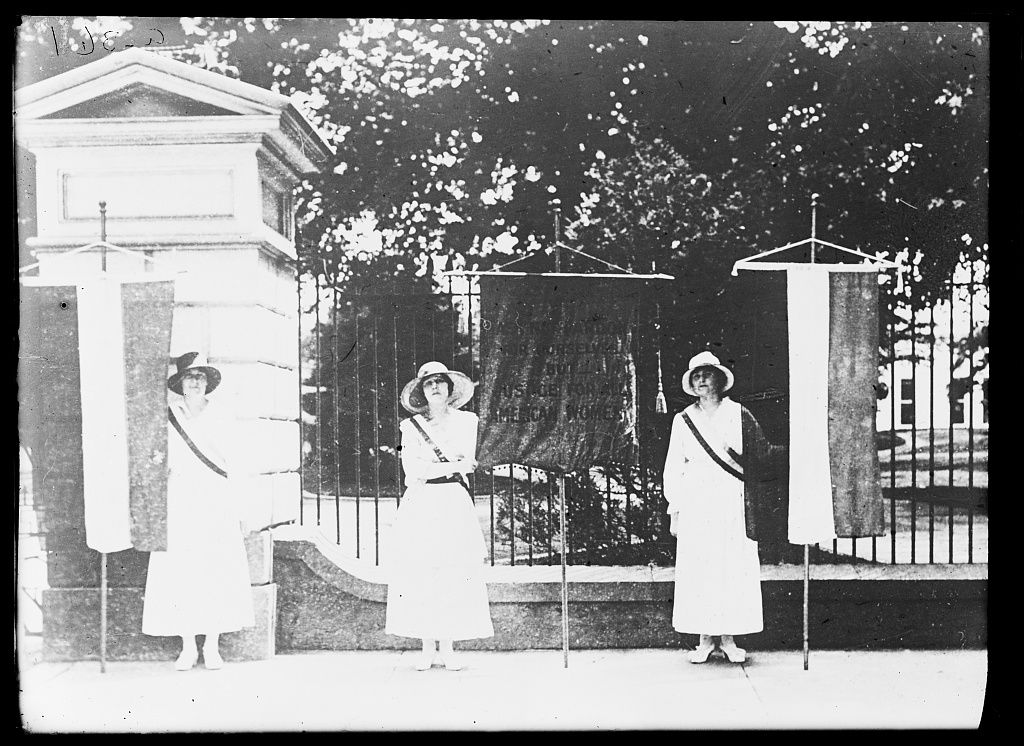
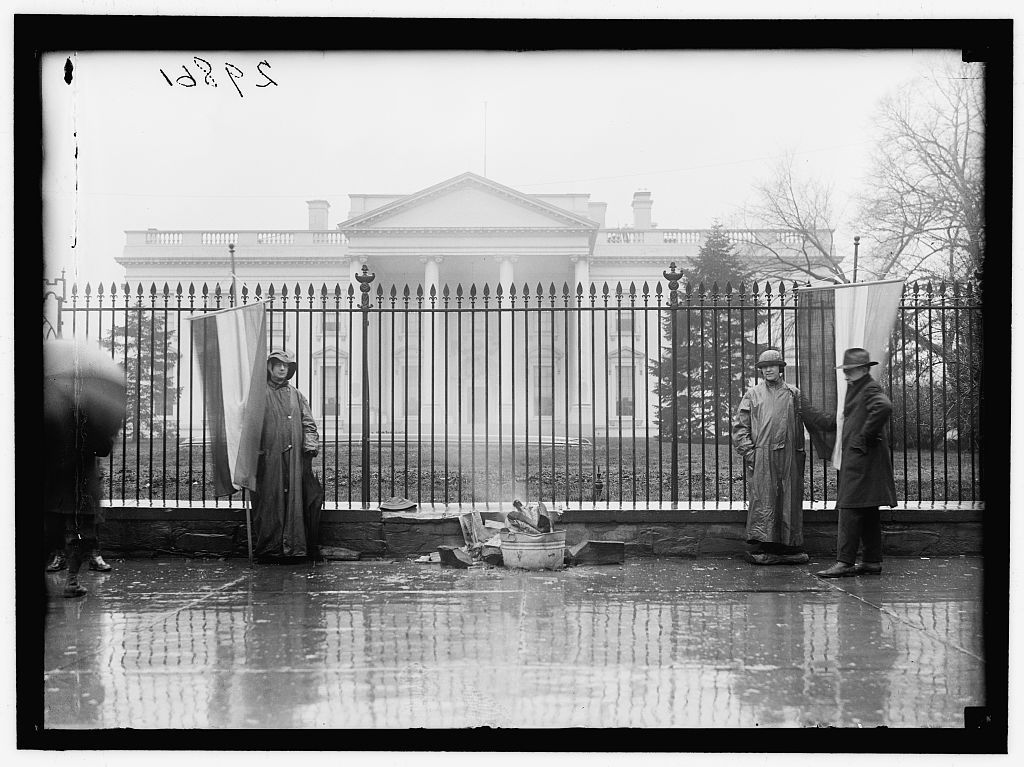
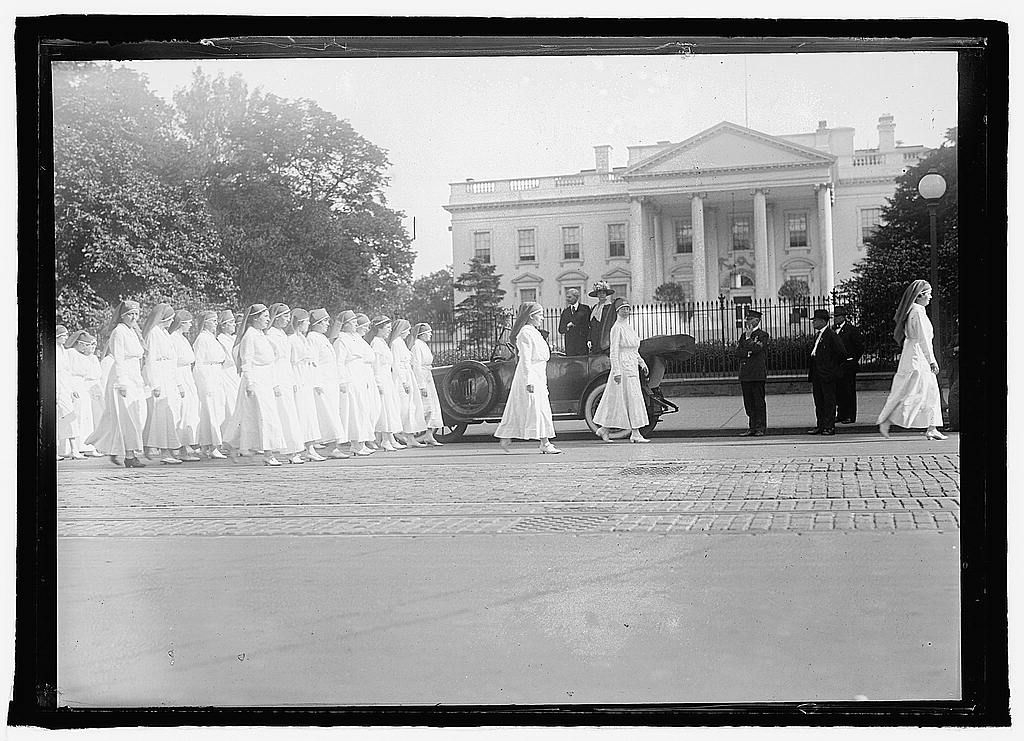
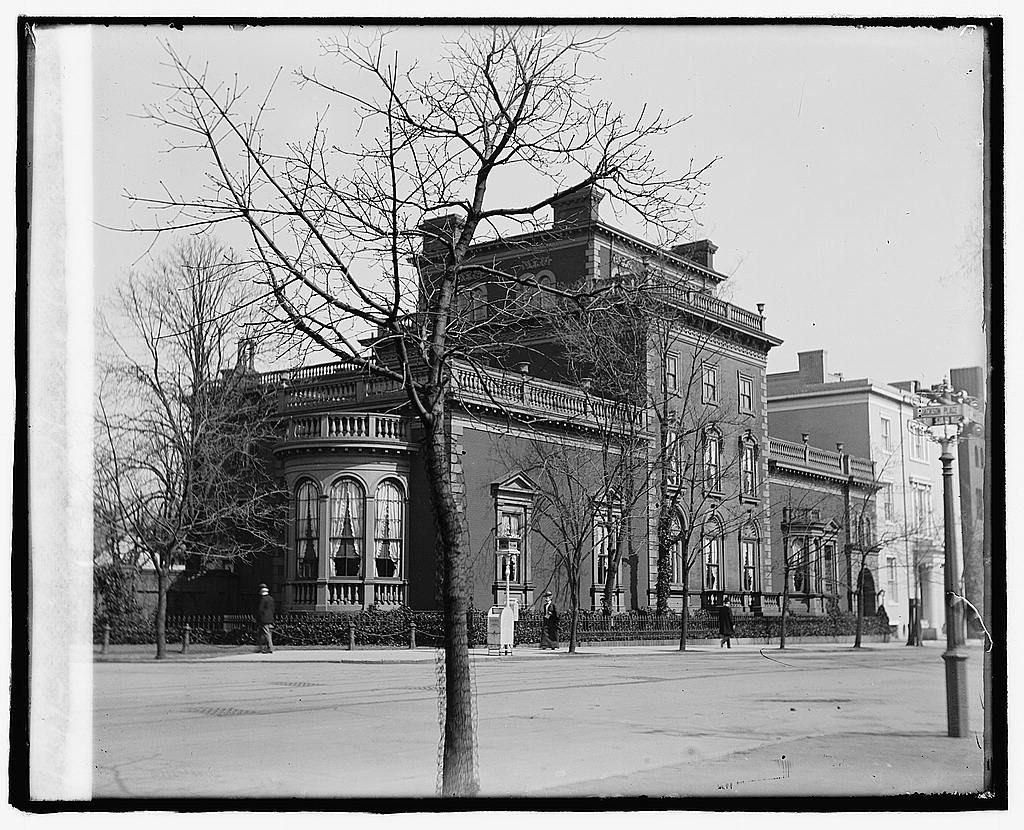
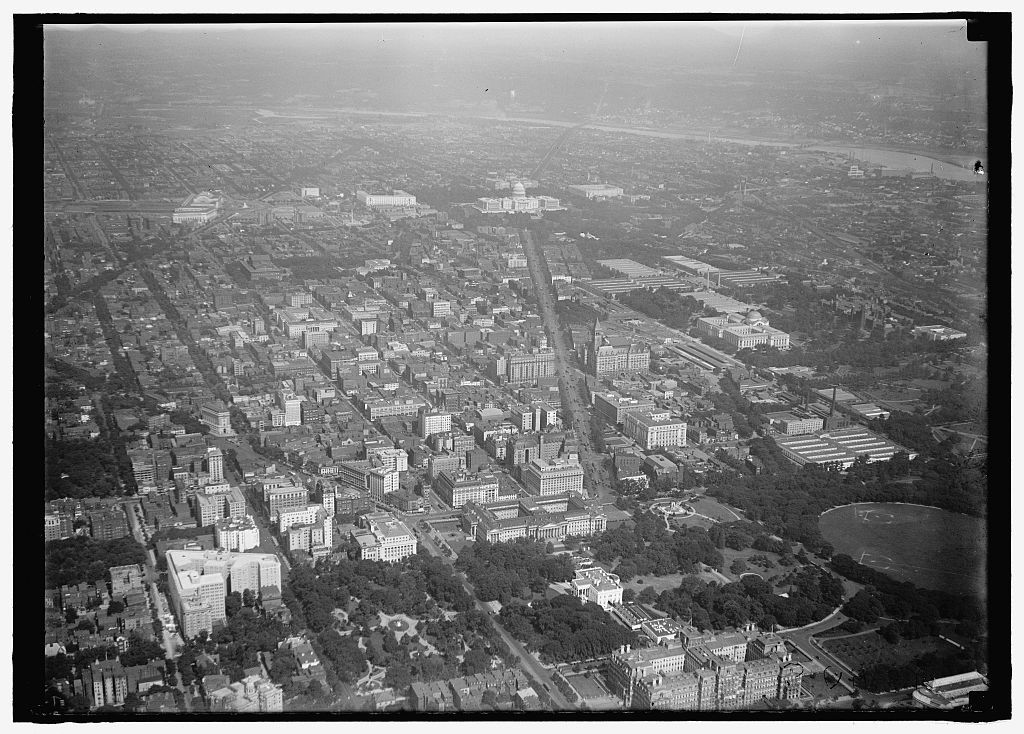
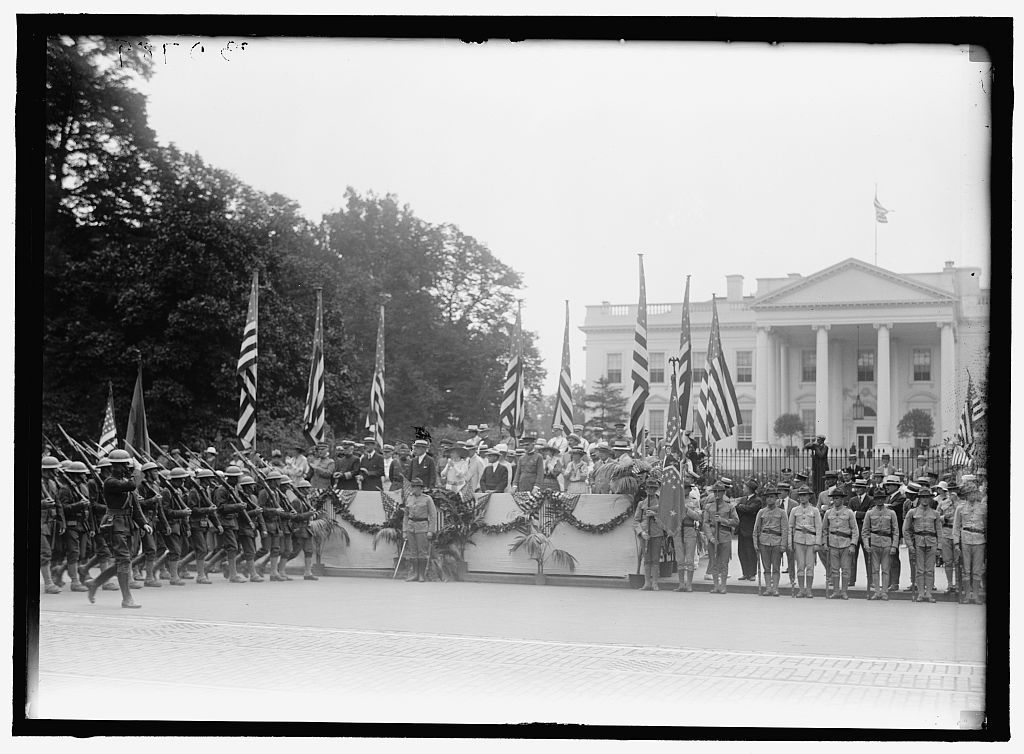
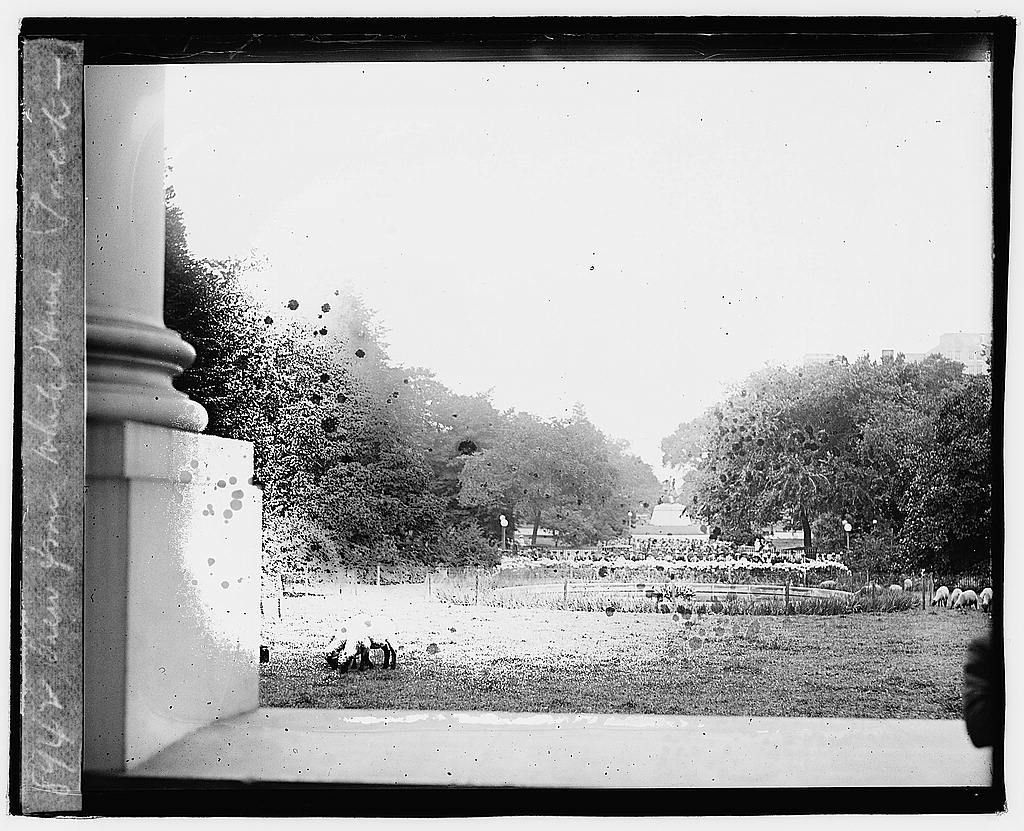
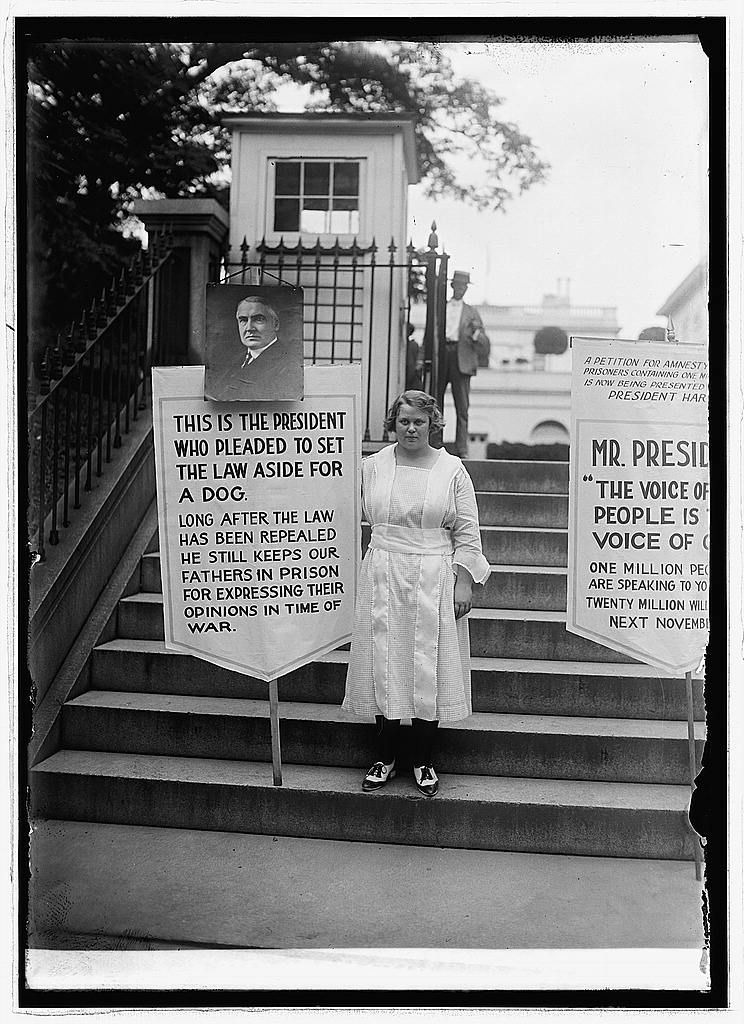
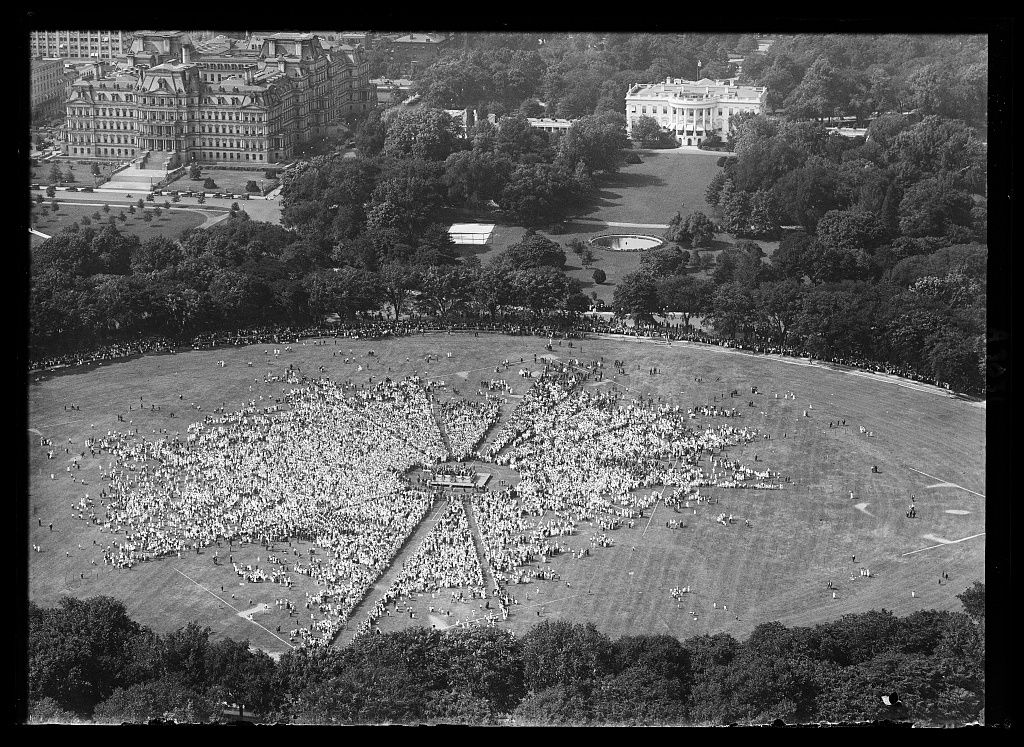
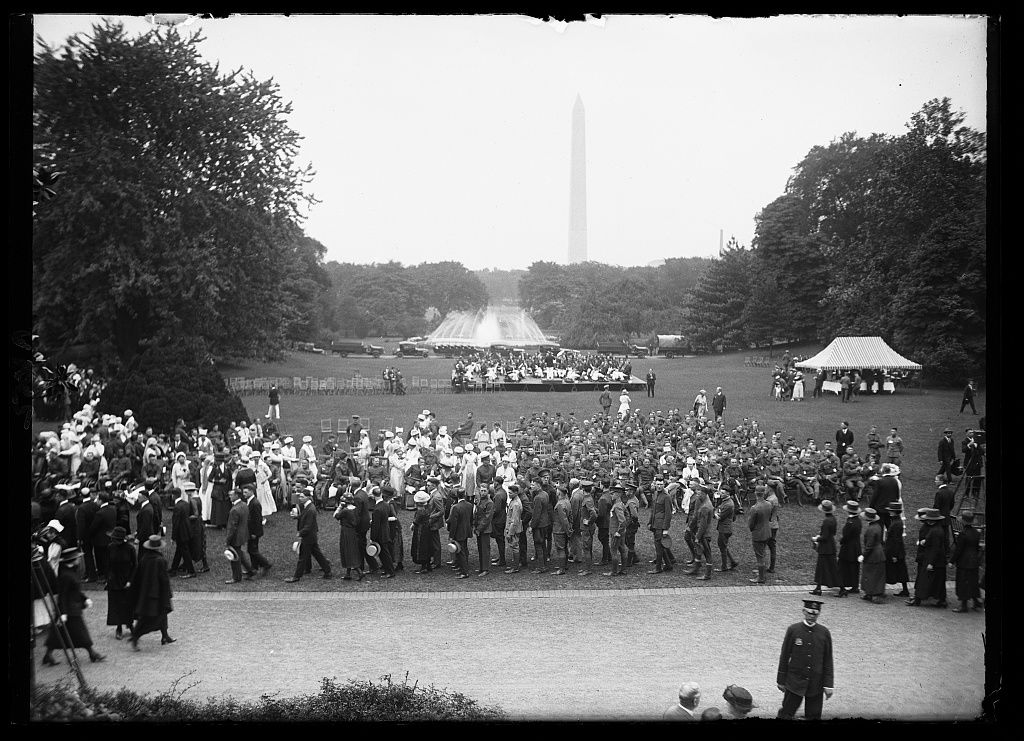
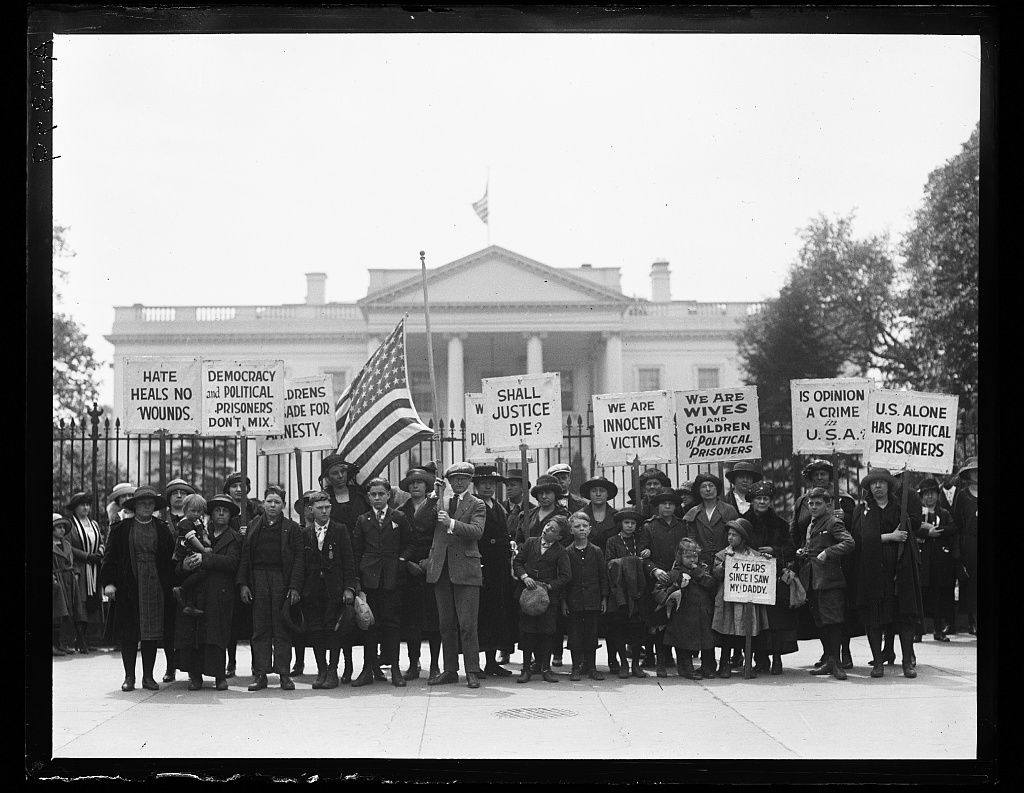
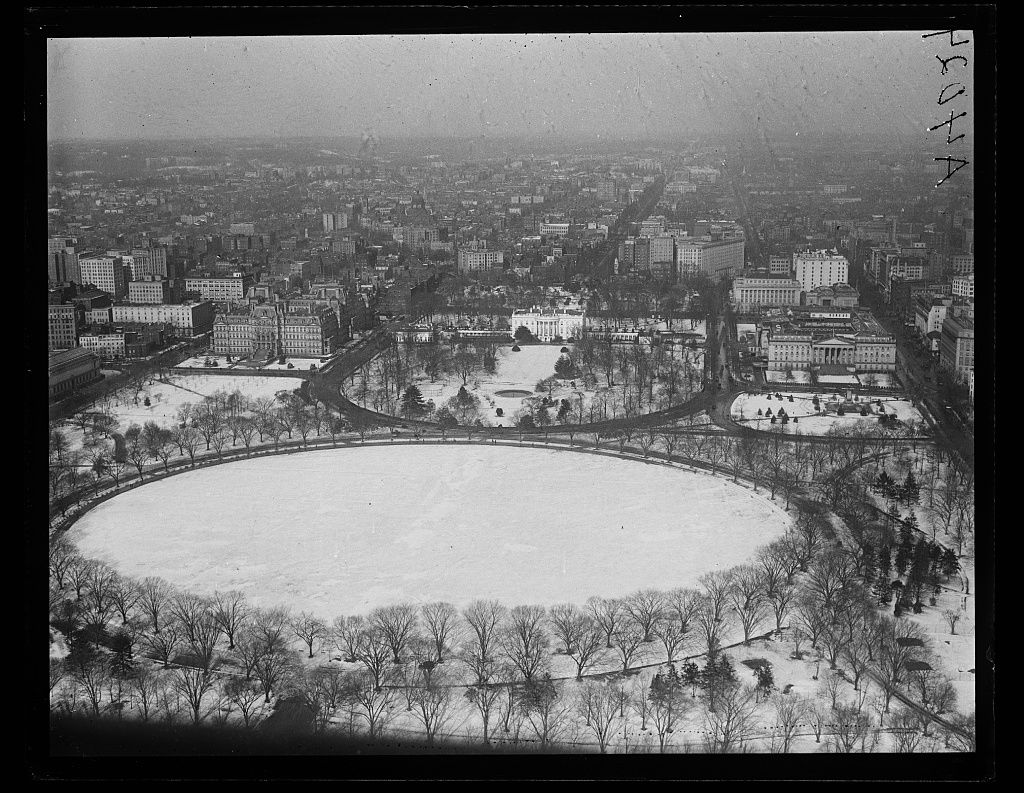
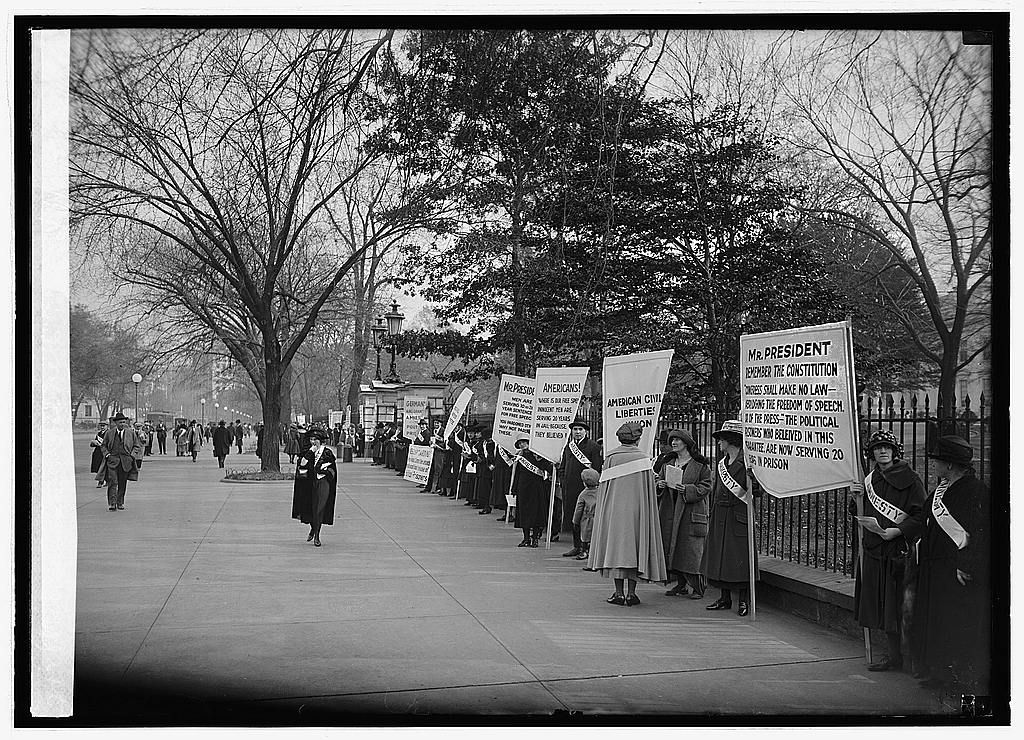
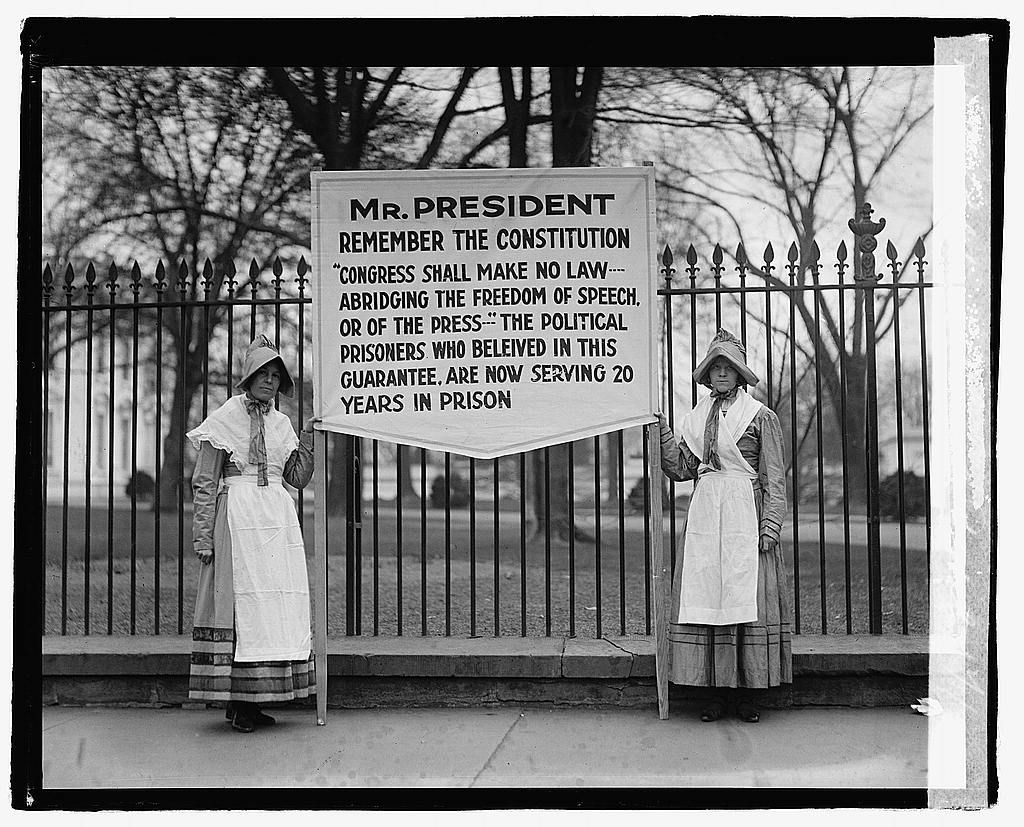
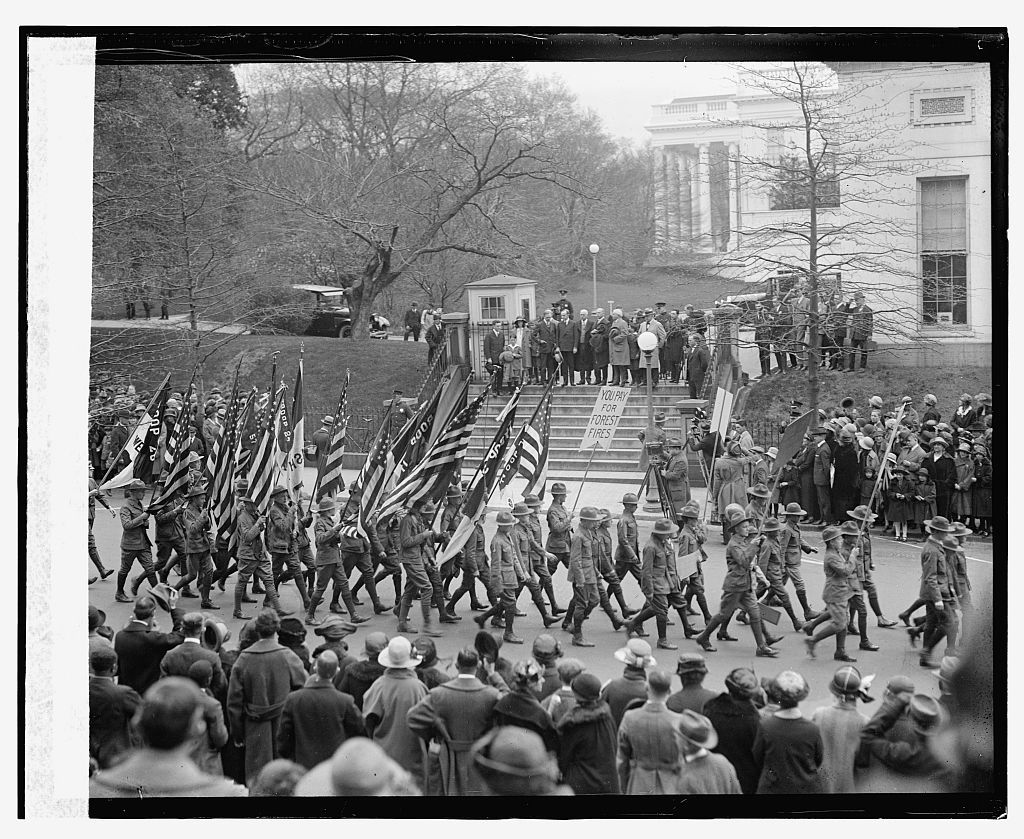
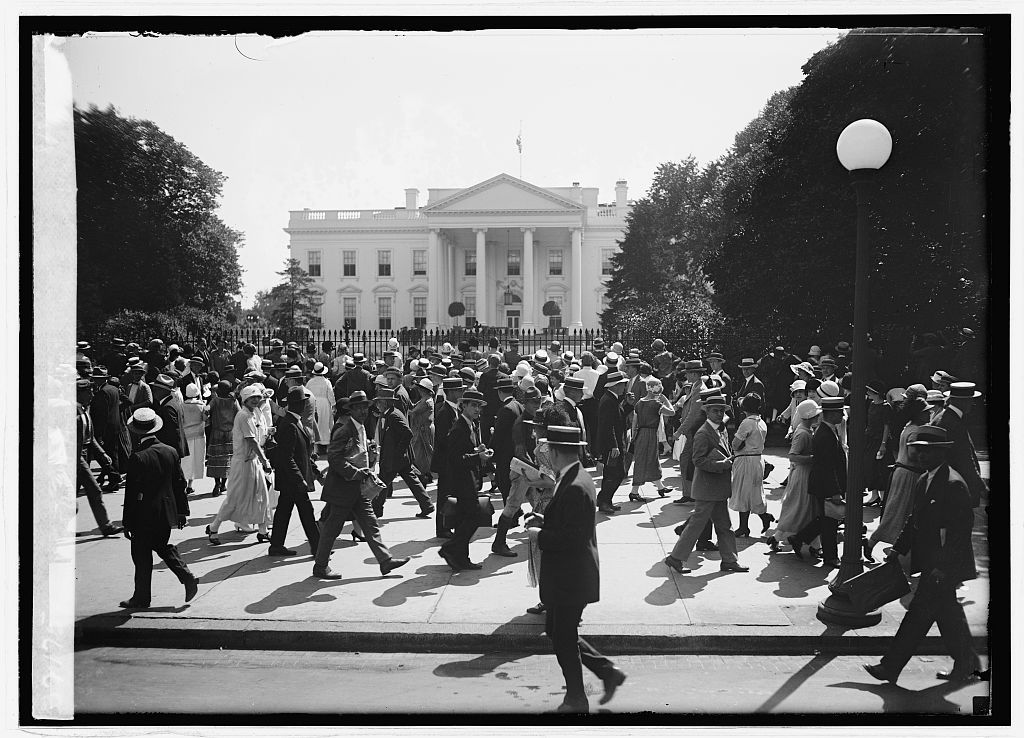
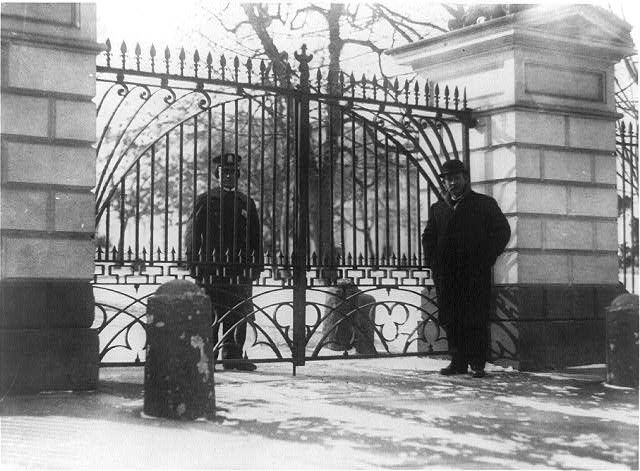
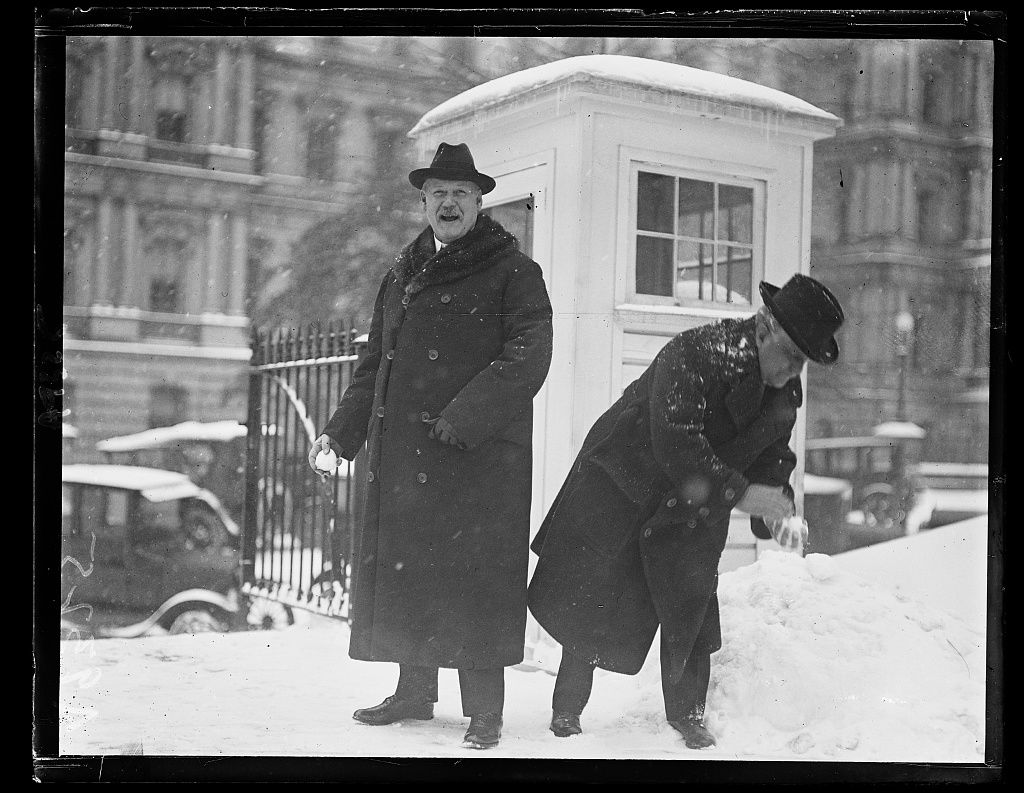
The President's house, its gates, the Ellipse and Lafayette Square, where the suffrage pickets stood in 1917.
History
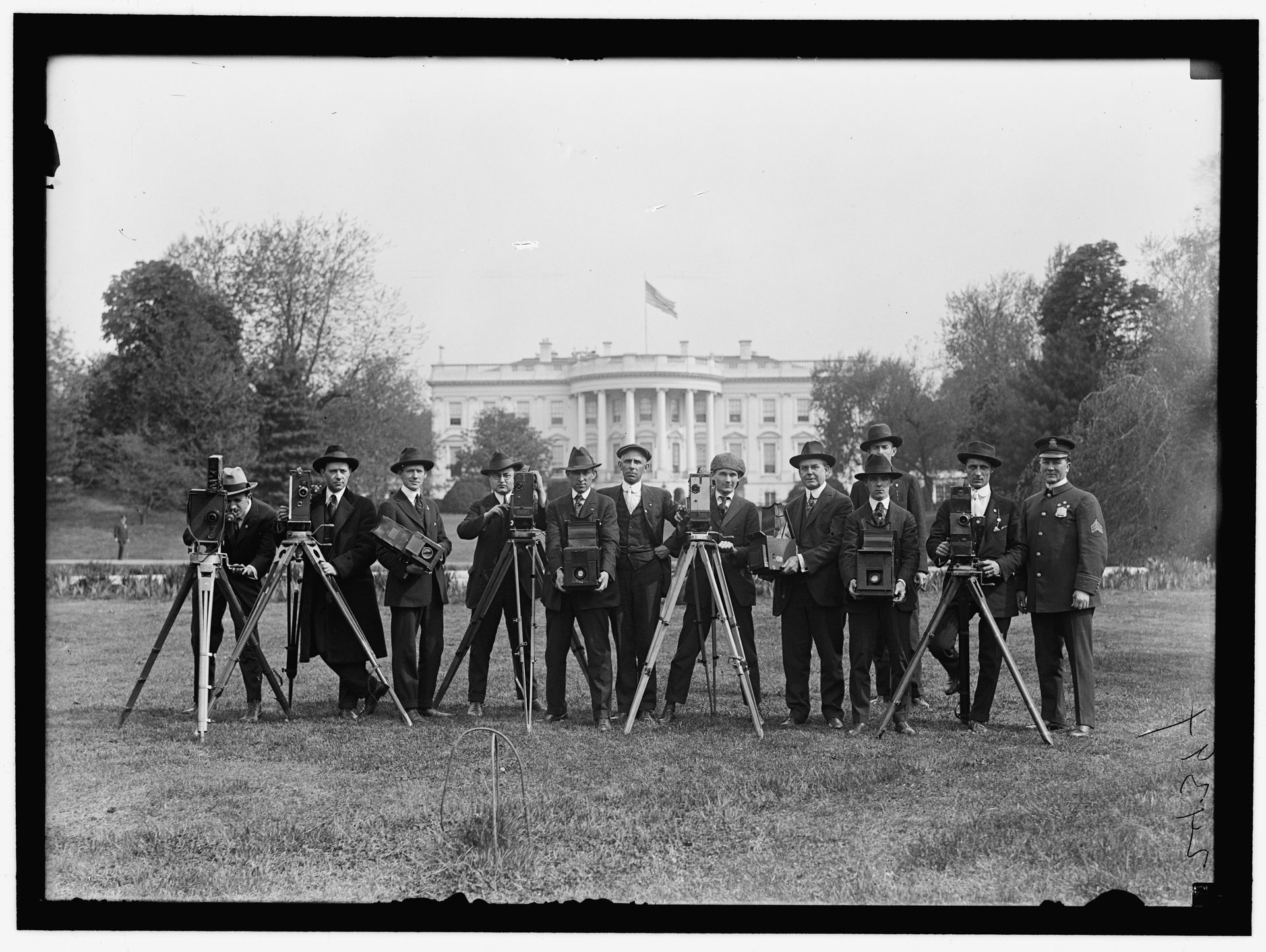
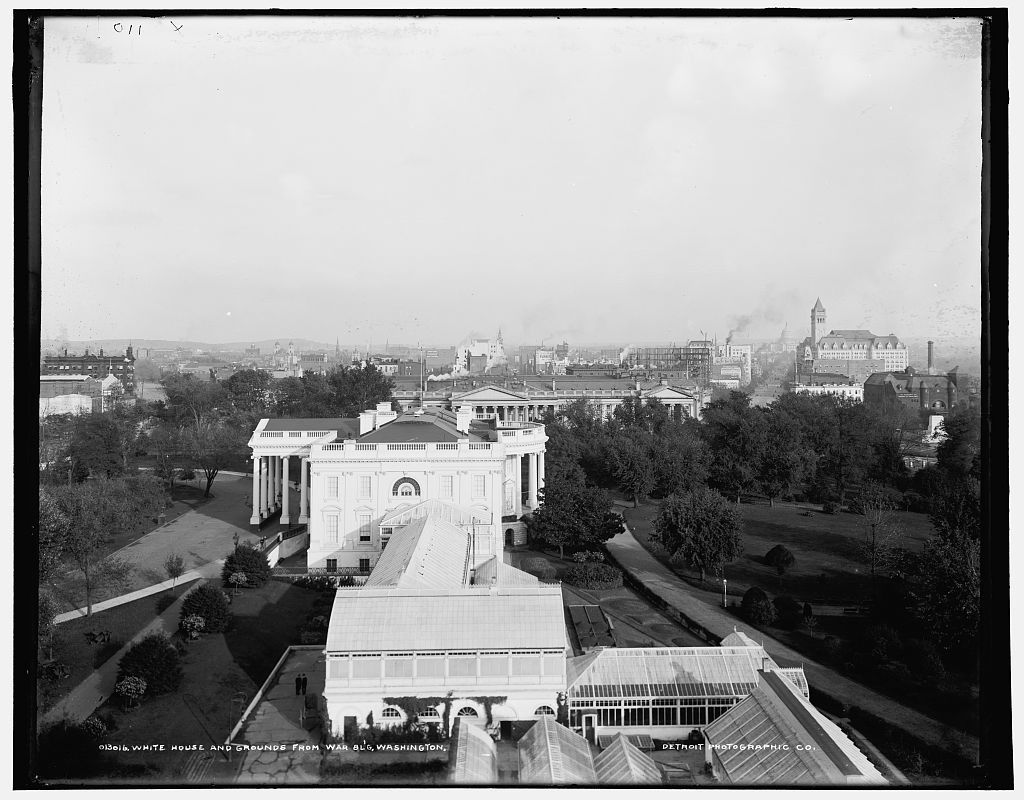
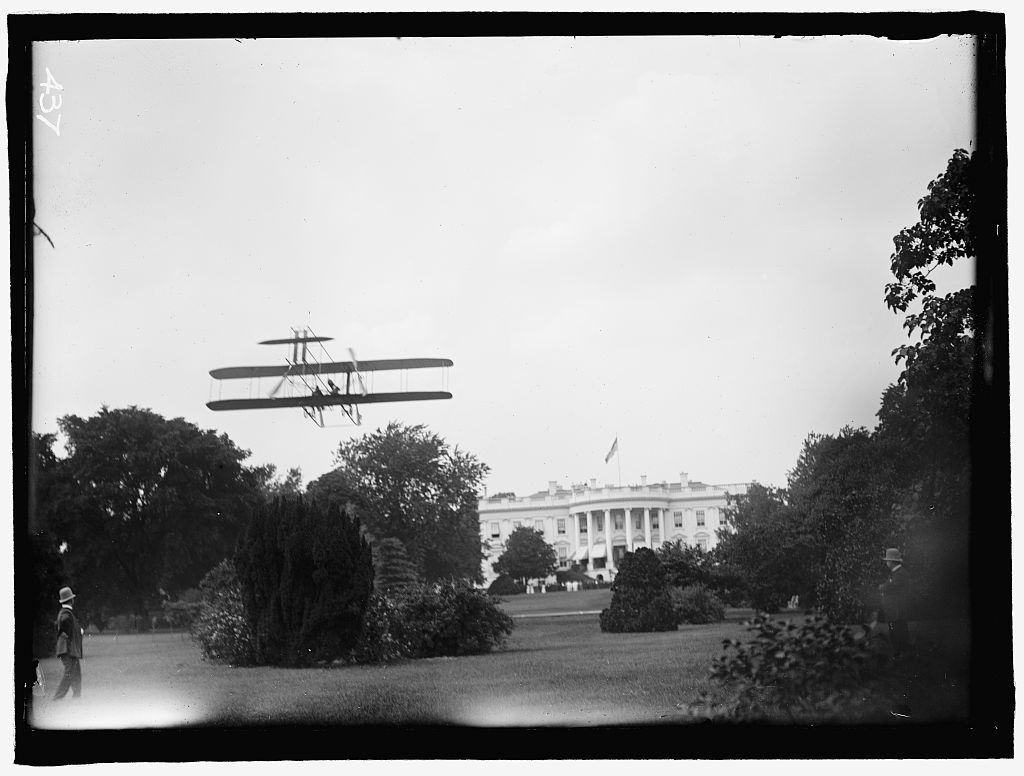
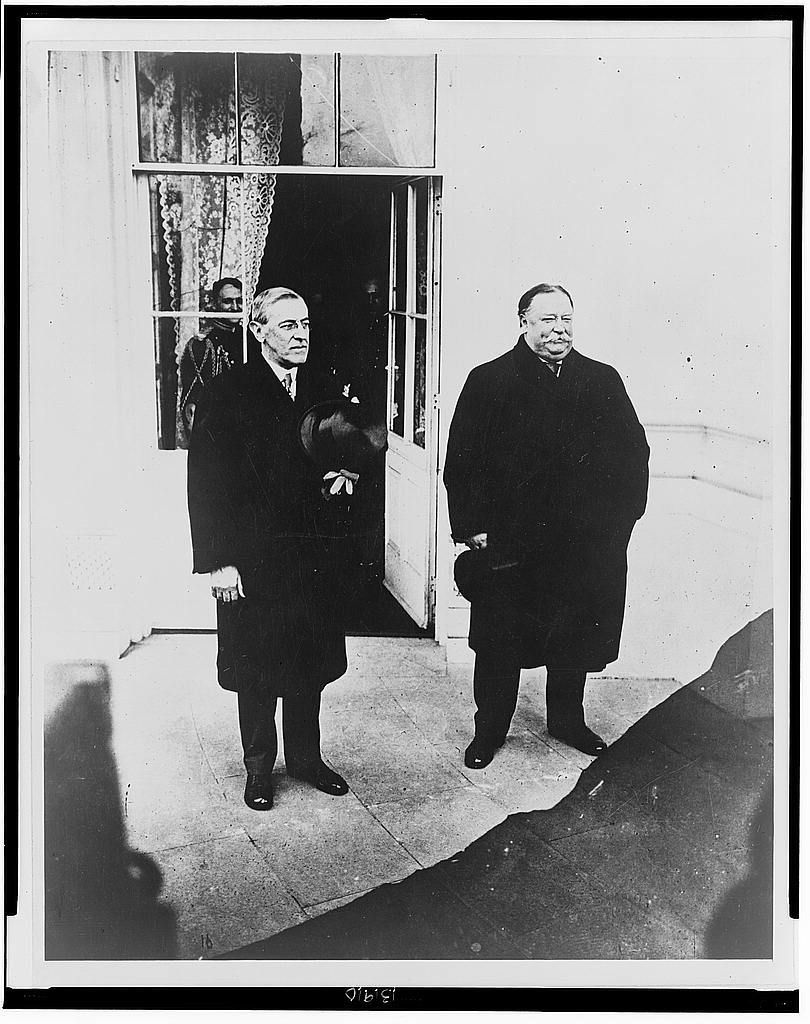
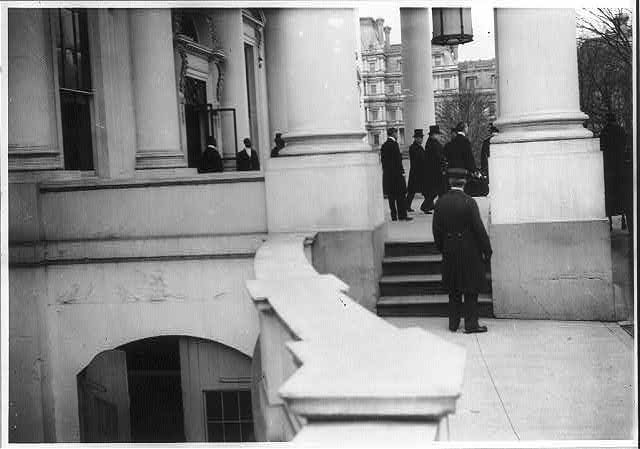
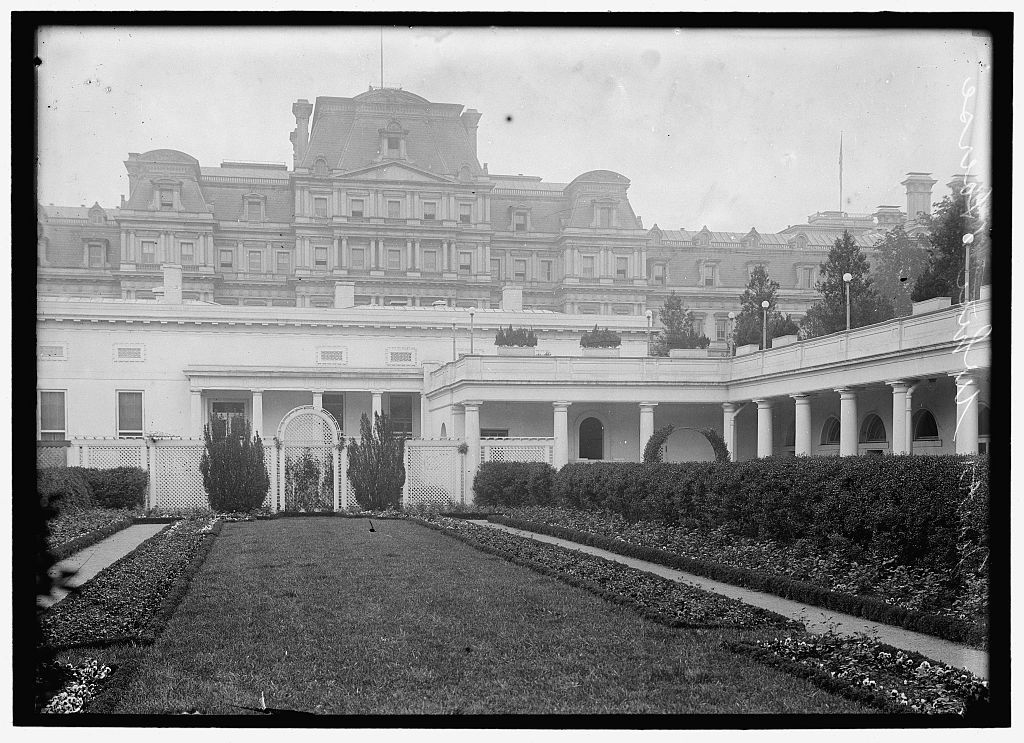
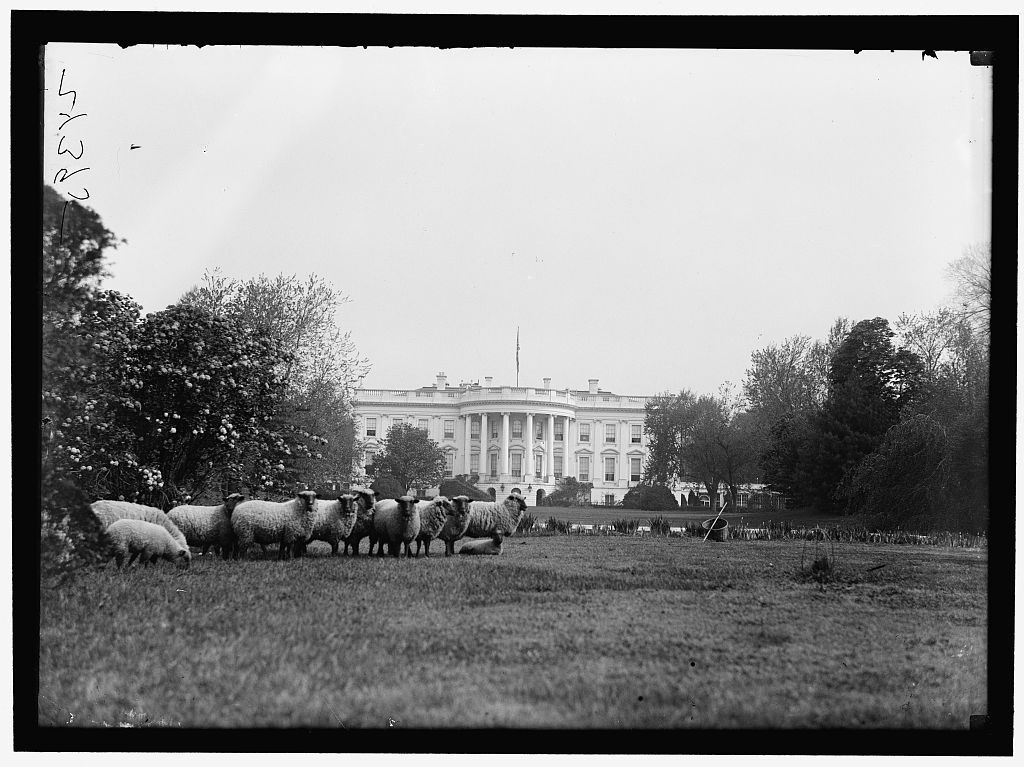
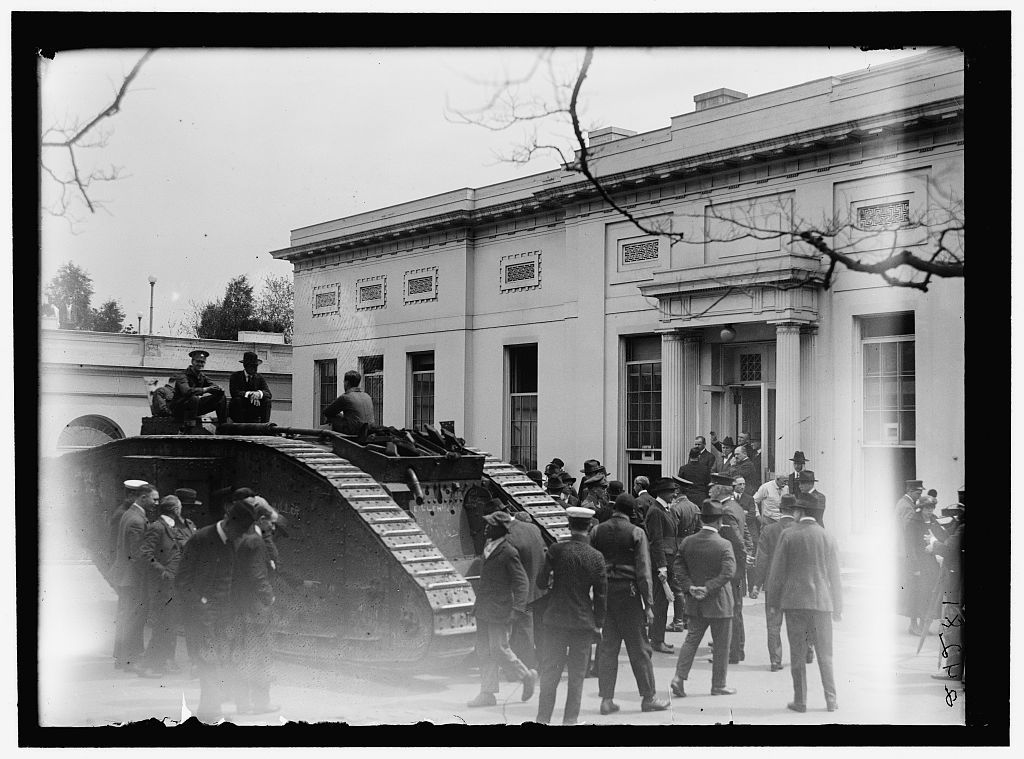
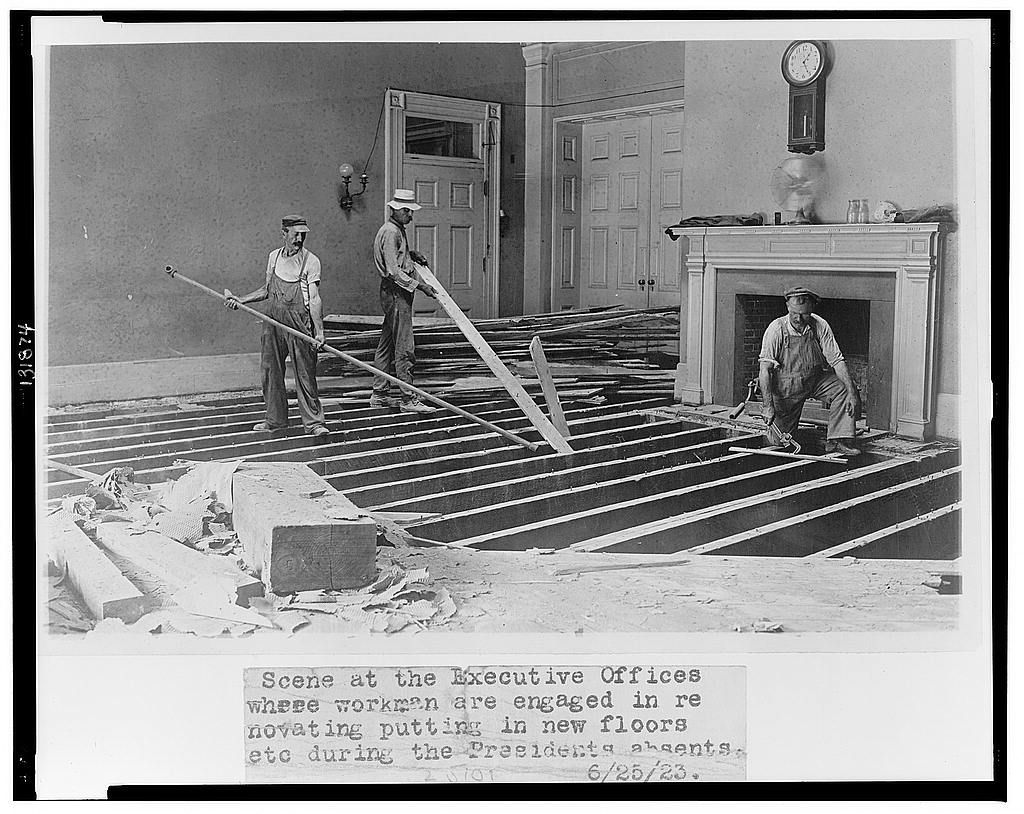
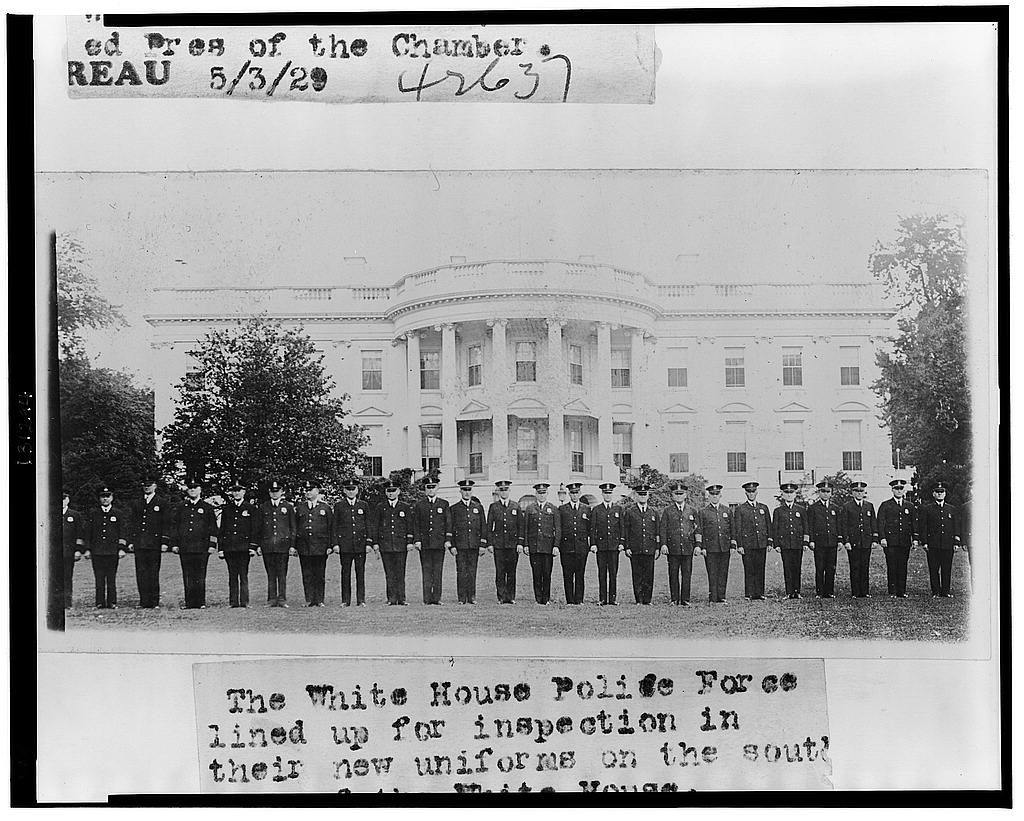
Theodore Roosevelt’s renovation of 1902 gave the White House the shape seen in these photographs: the clutter of Victorian greenhouses was cleared away and the offices were moved into a new, low west wing. Taft enlarged it in 1909 with the first Oval Office.
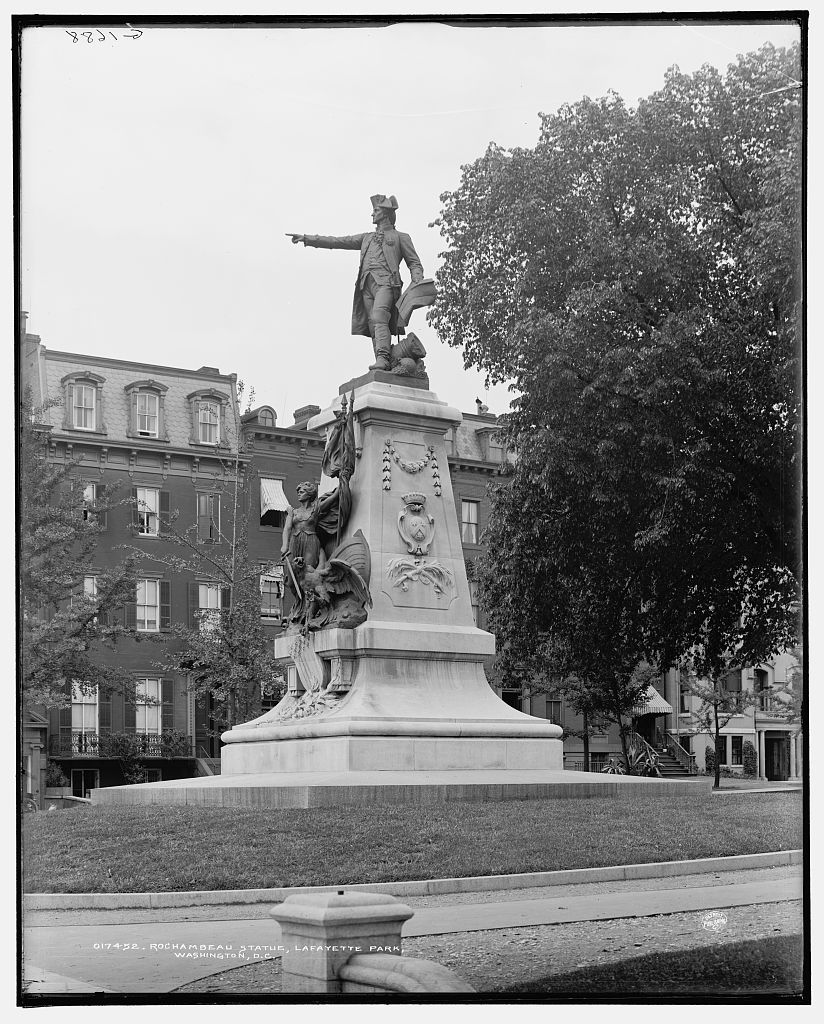
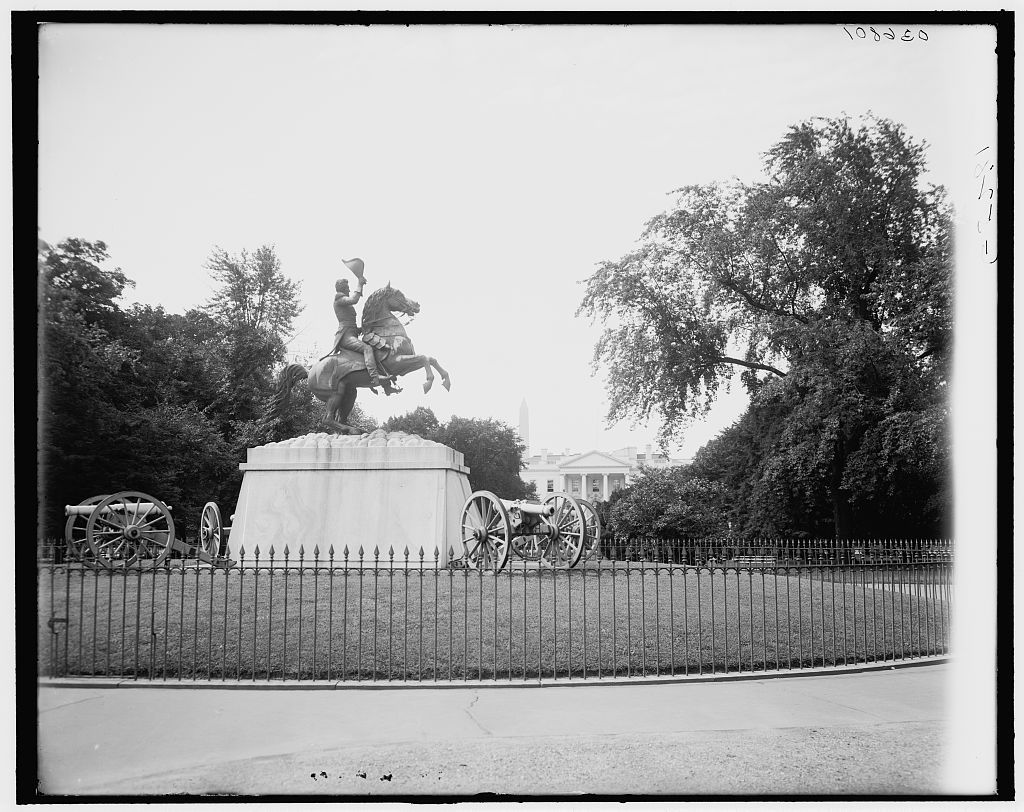
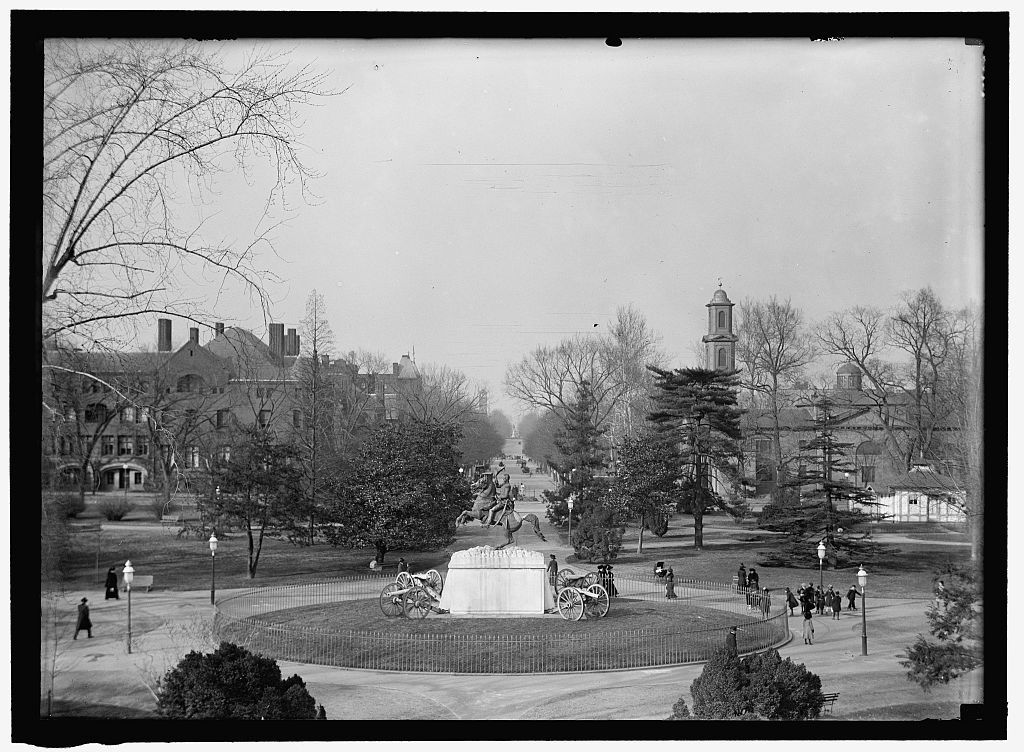
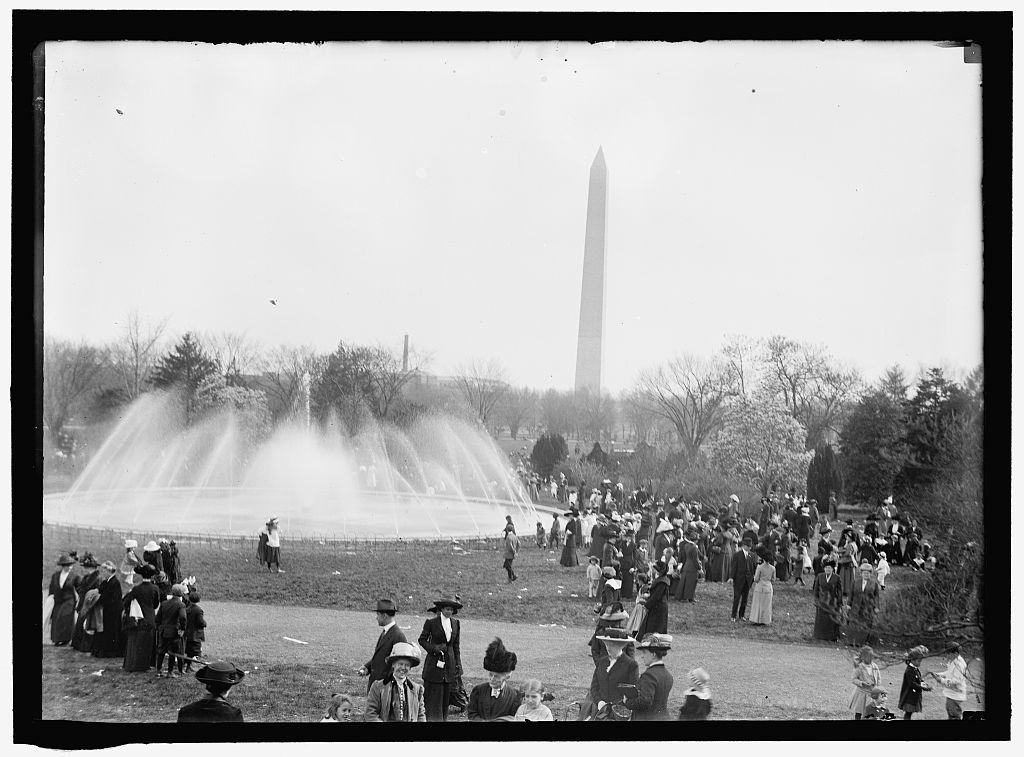
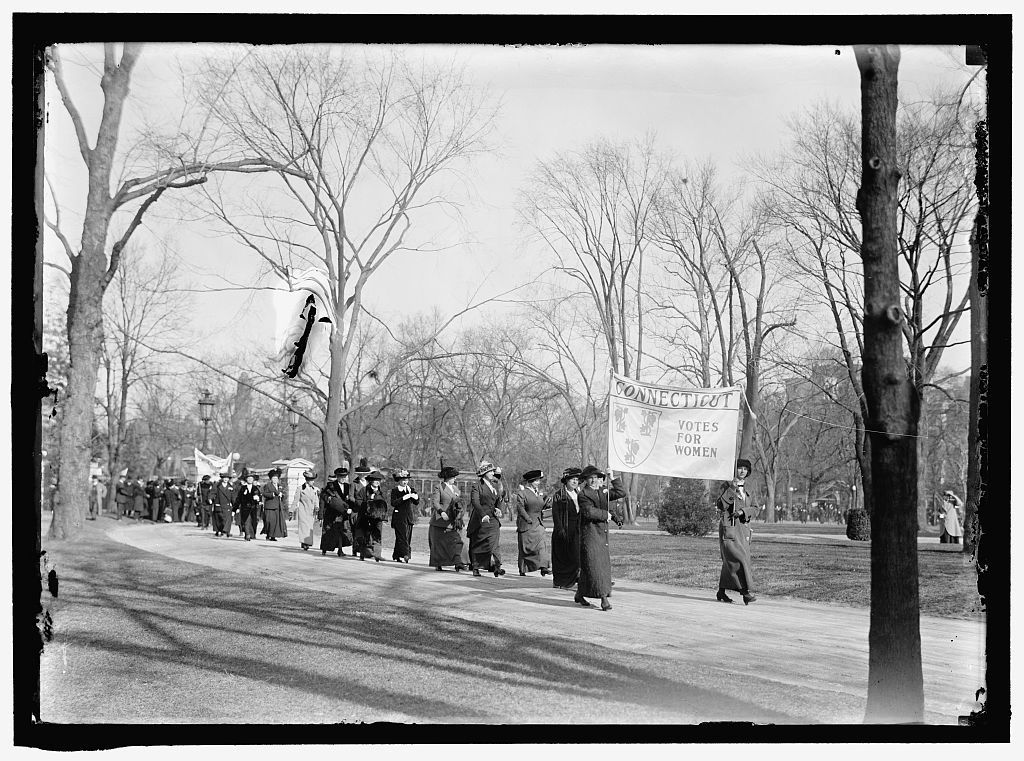
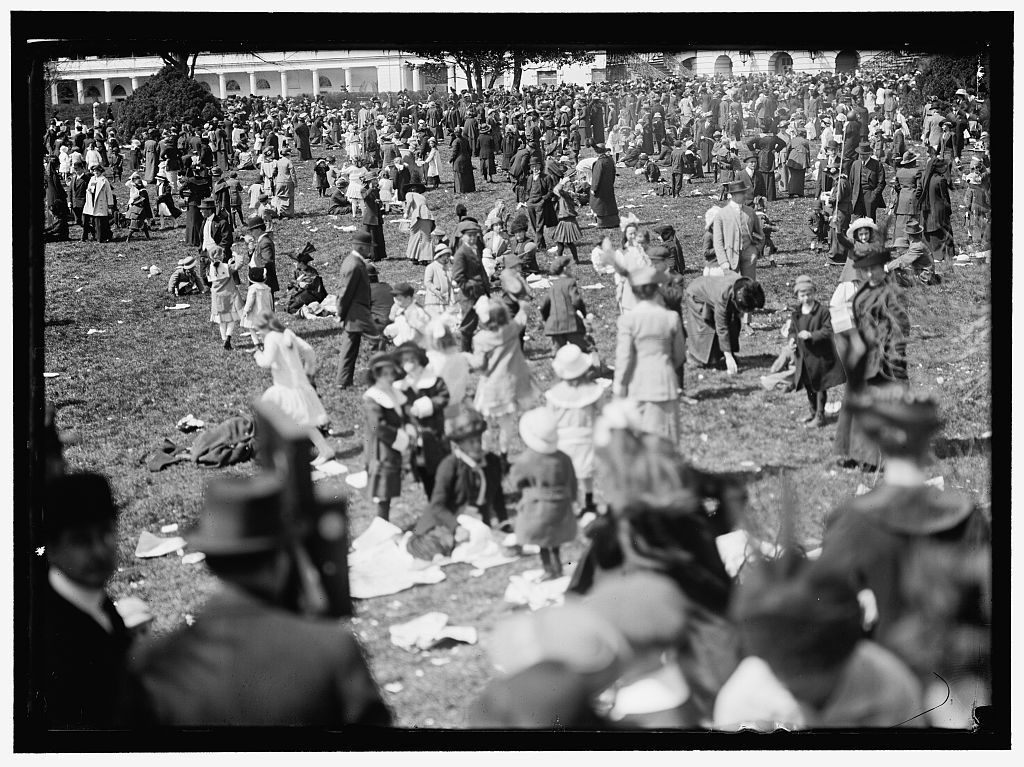
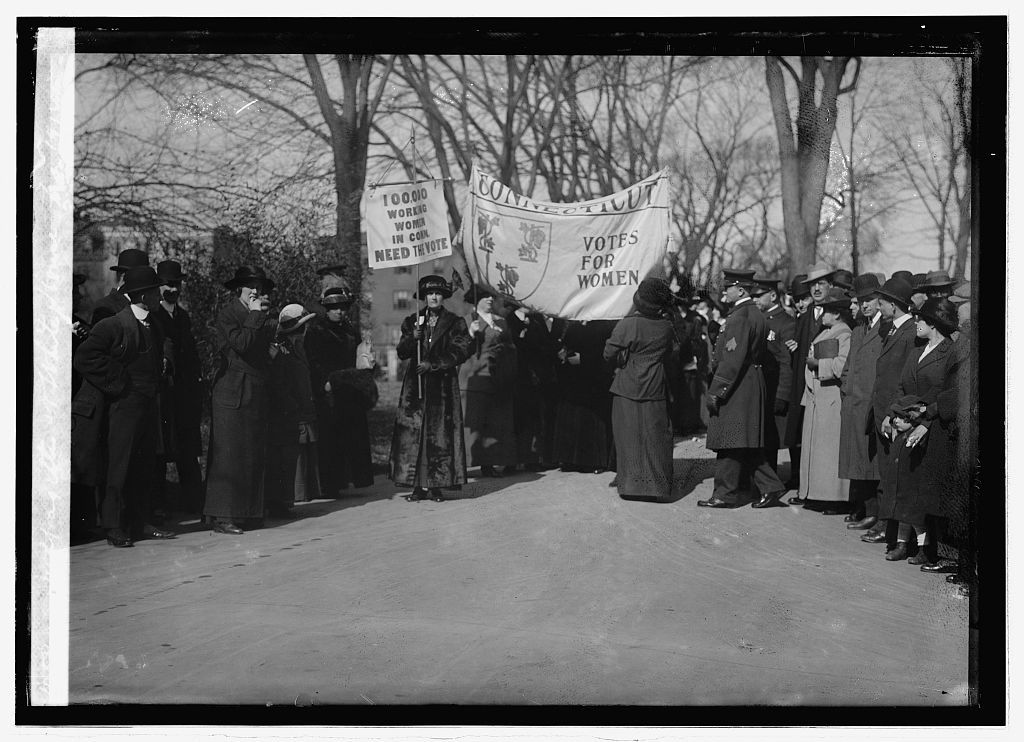
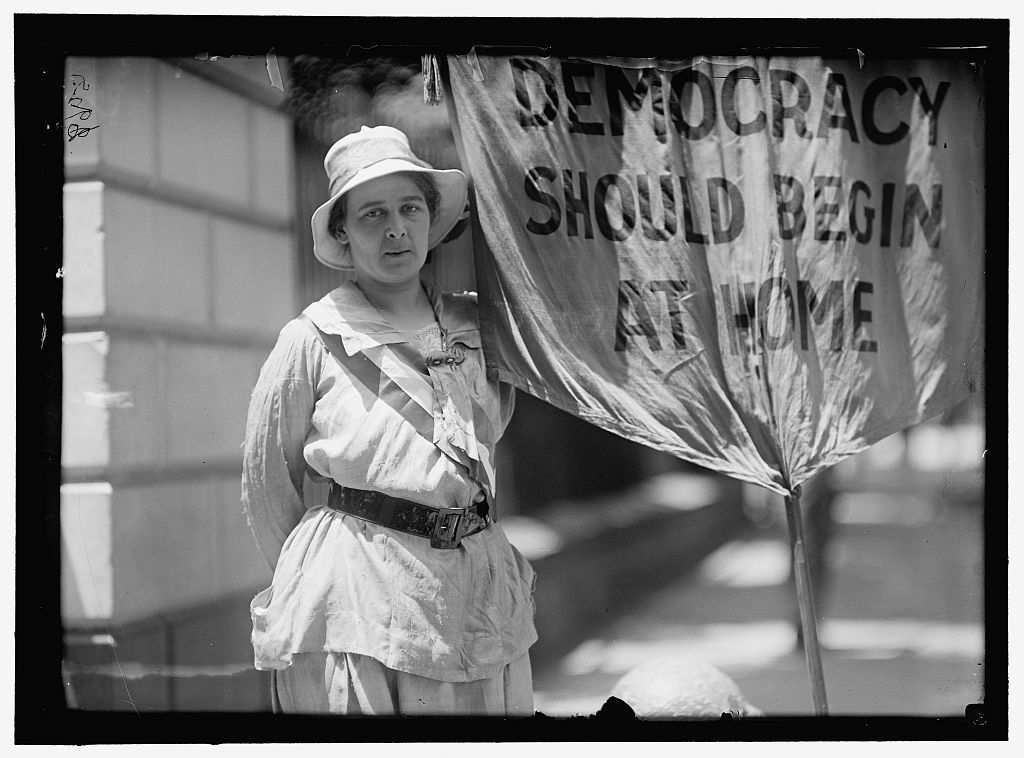
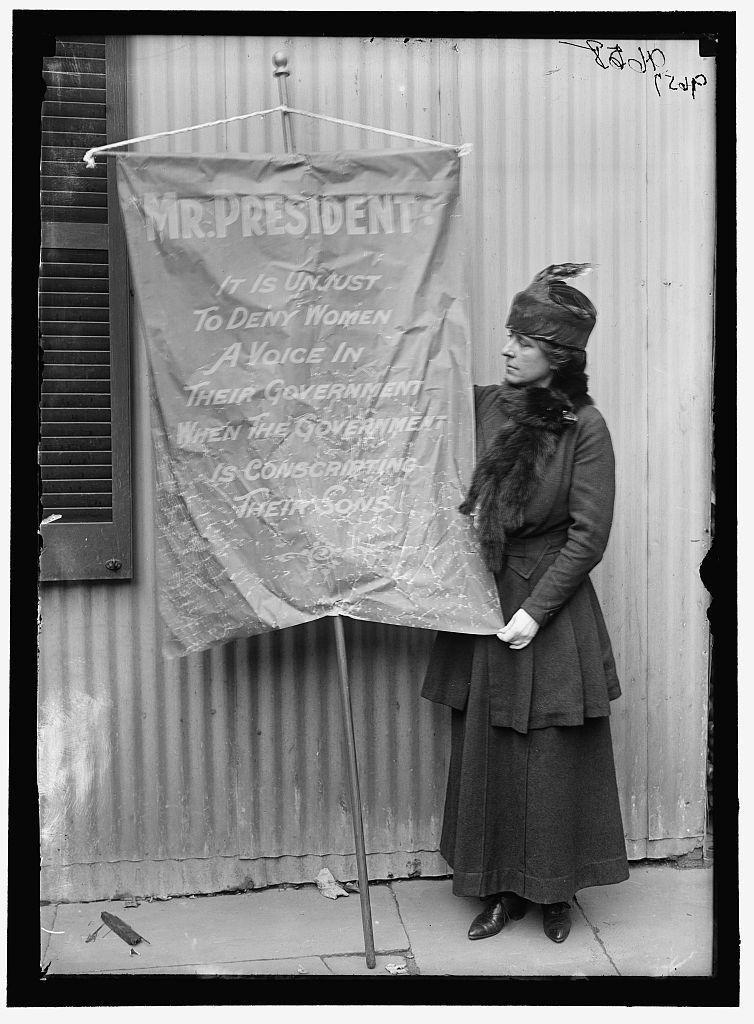
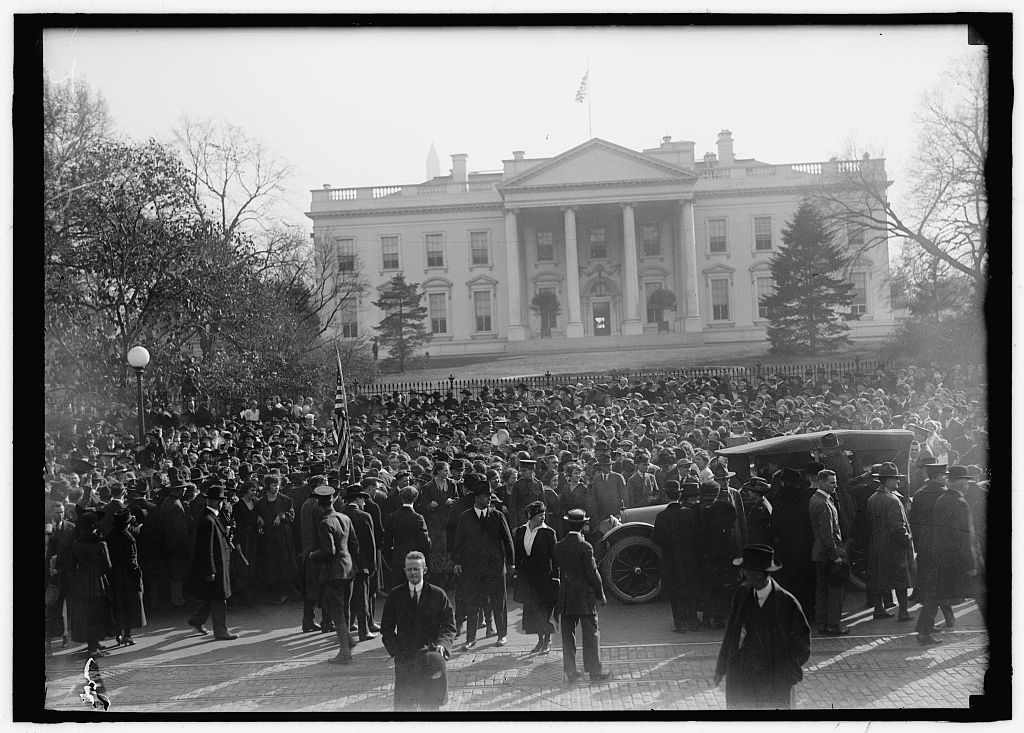
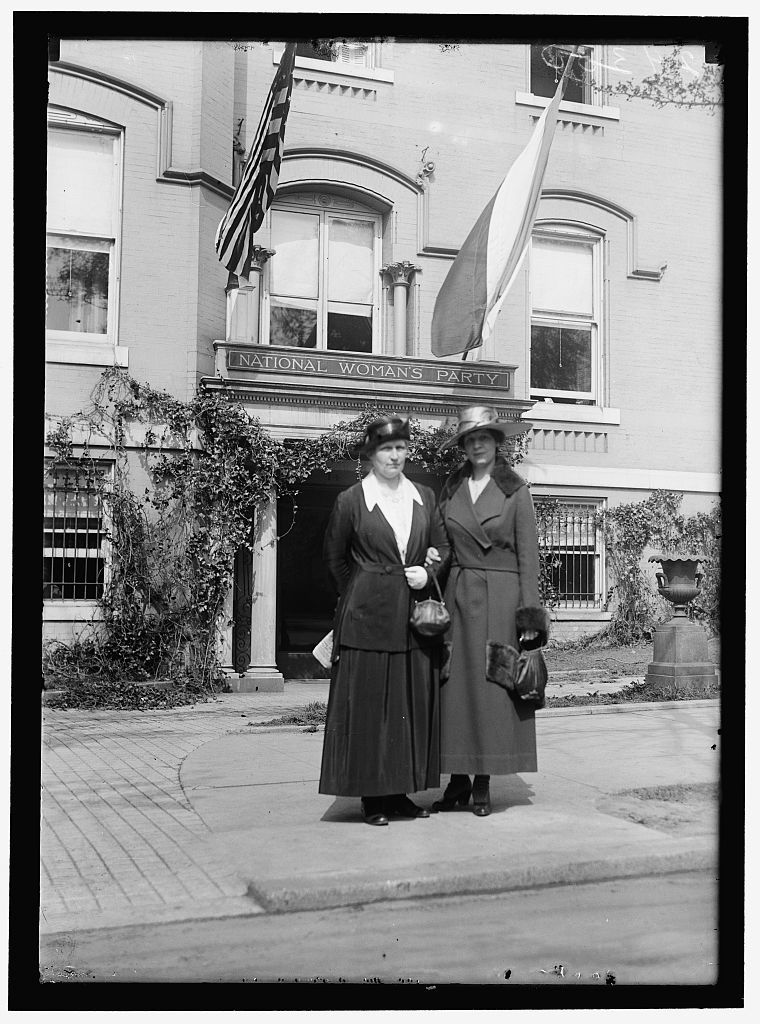
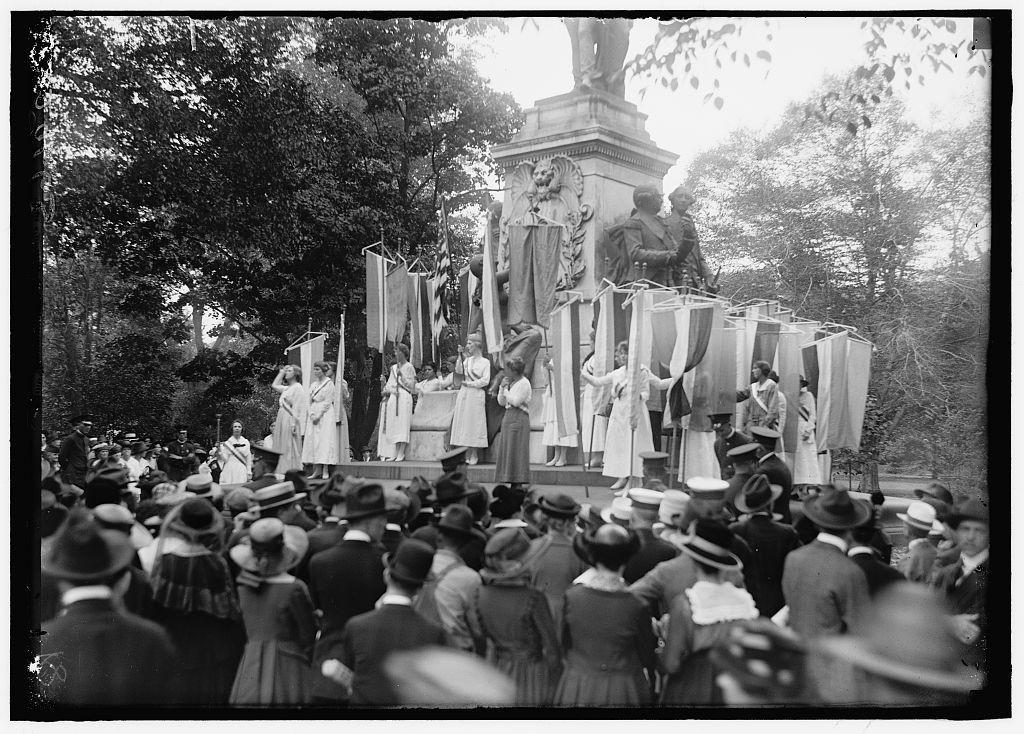
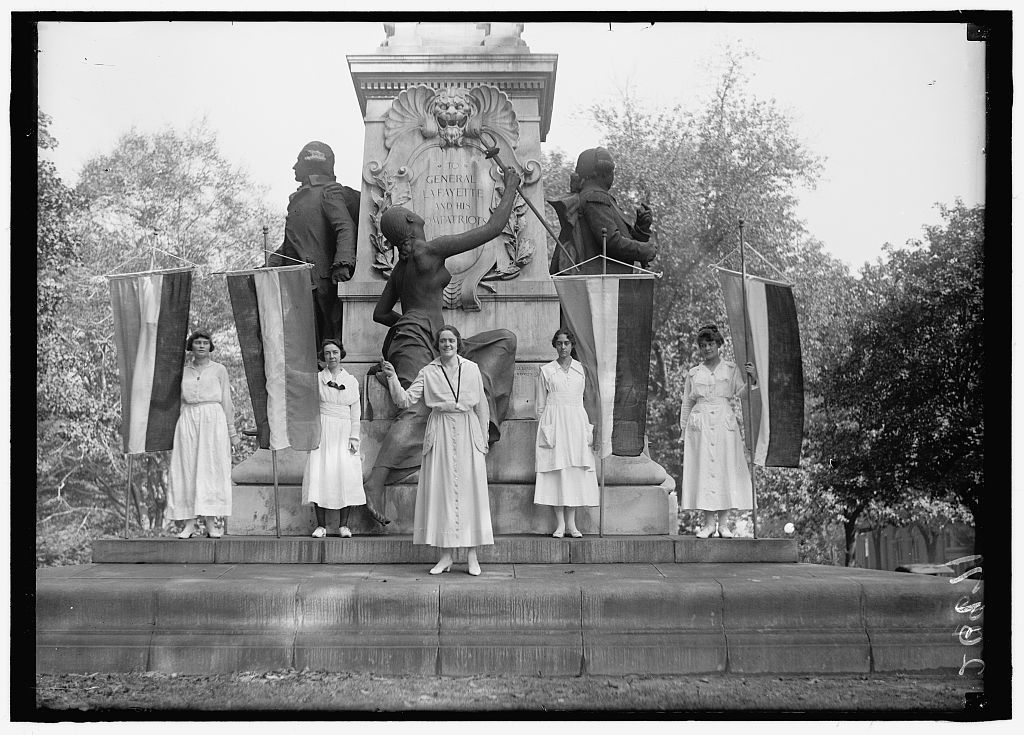
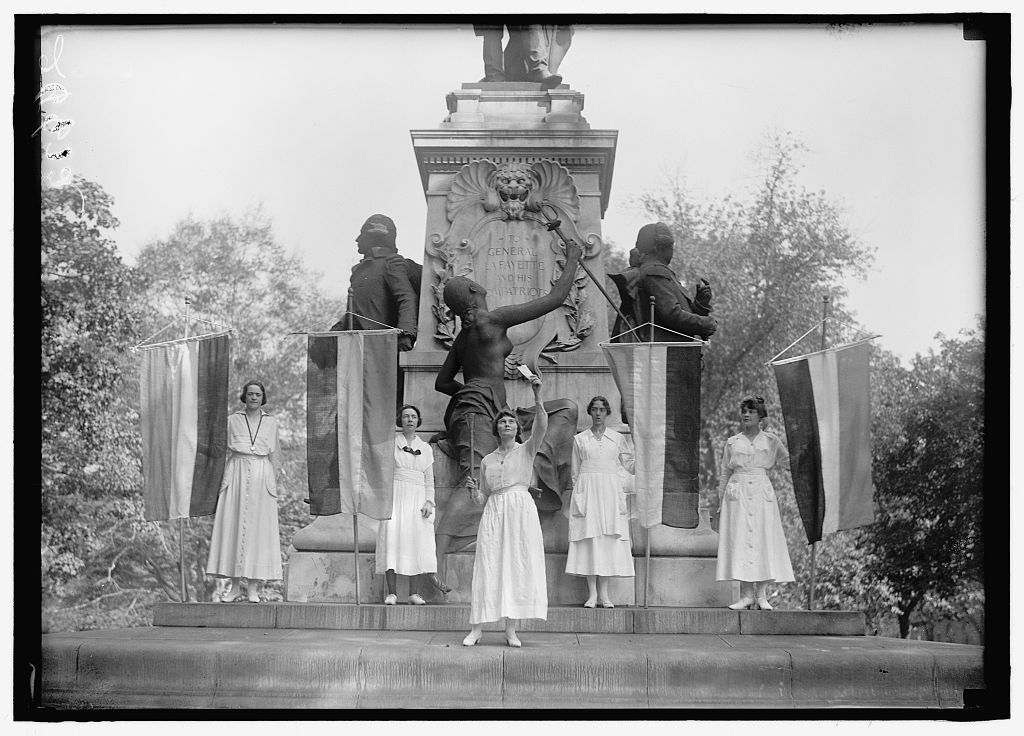
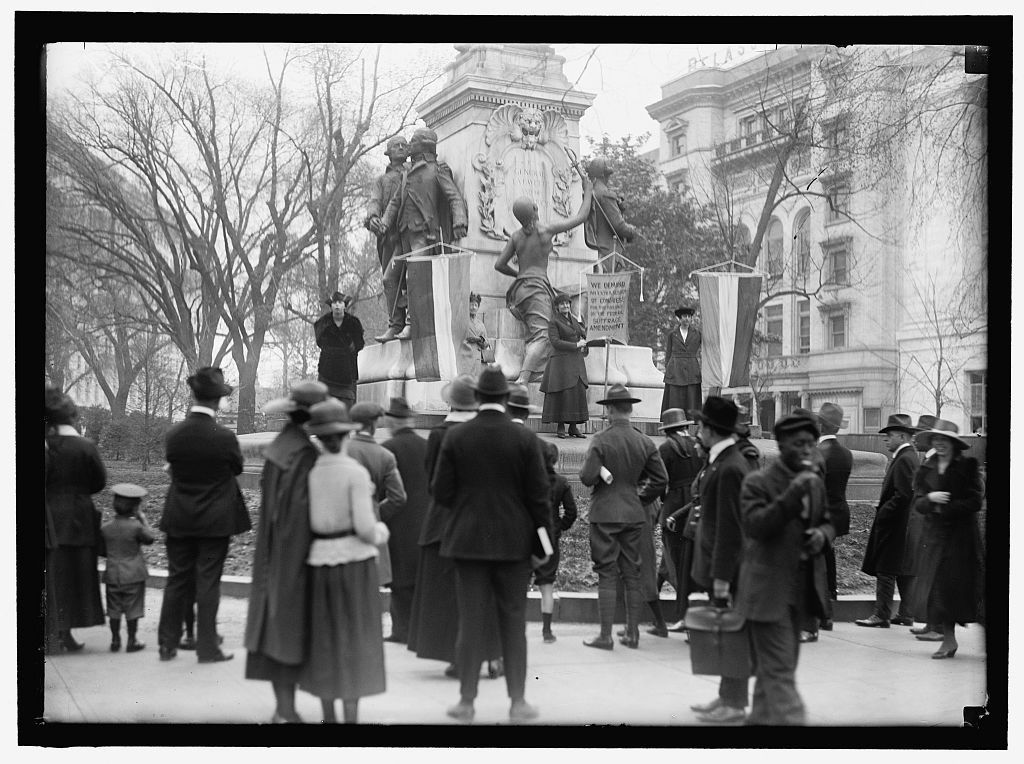
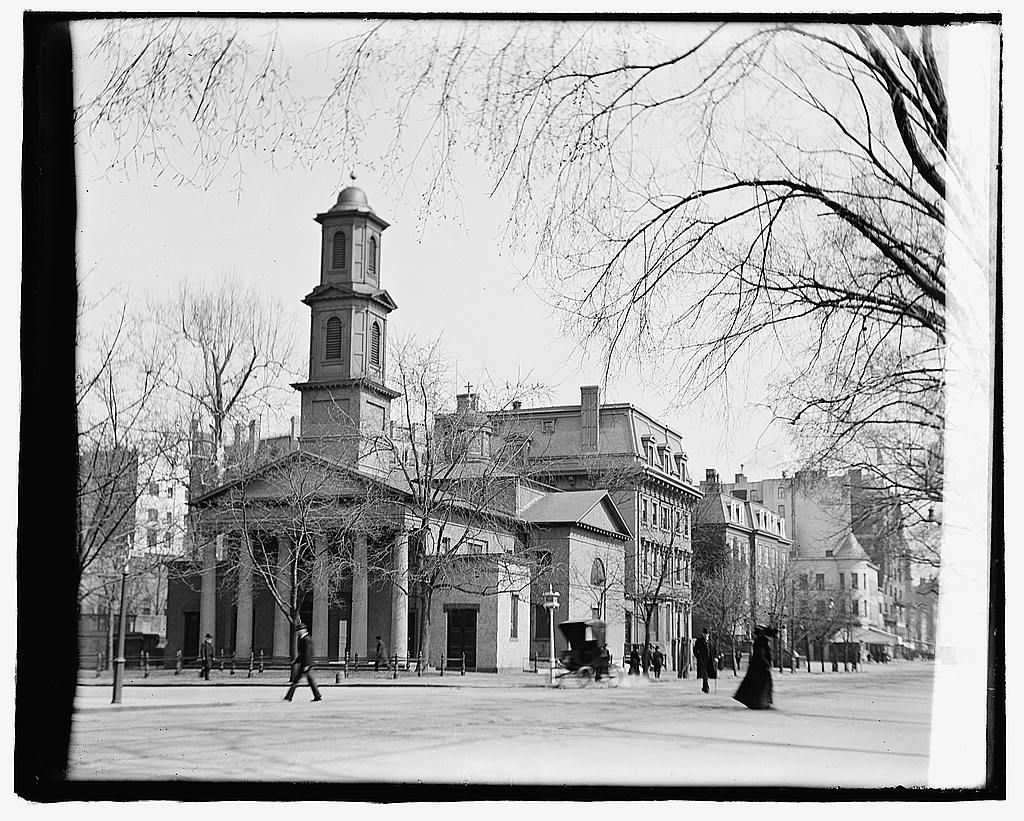
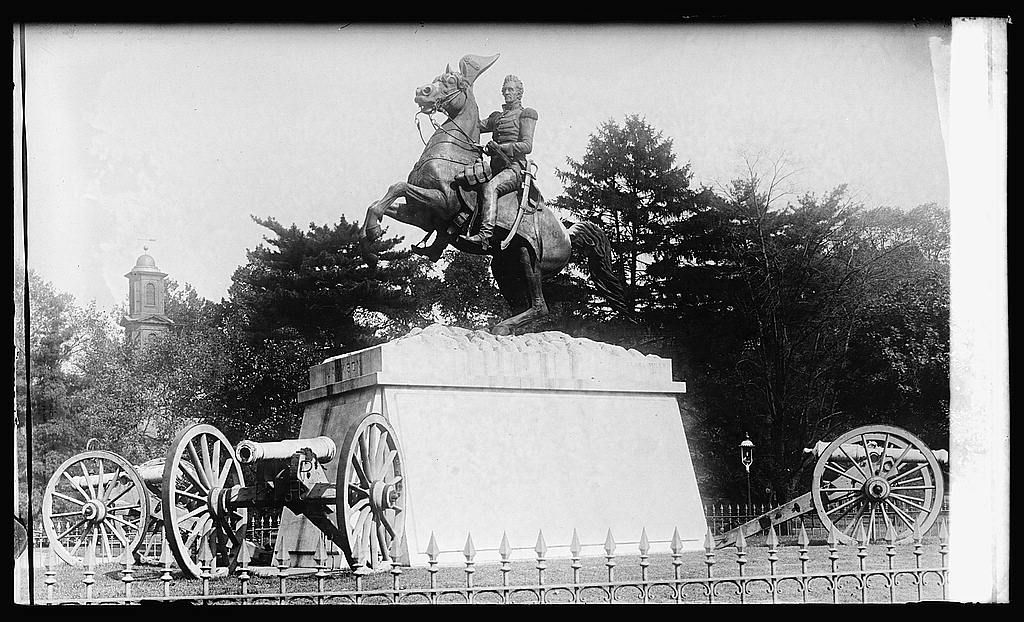
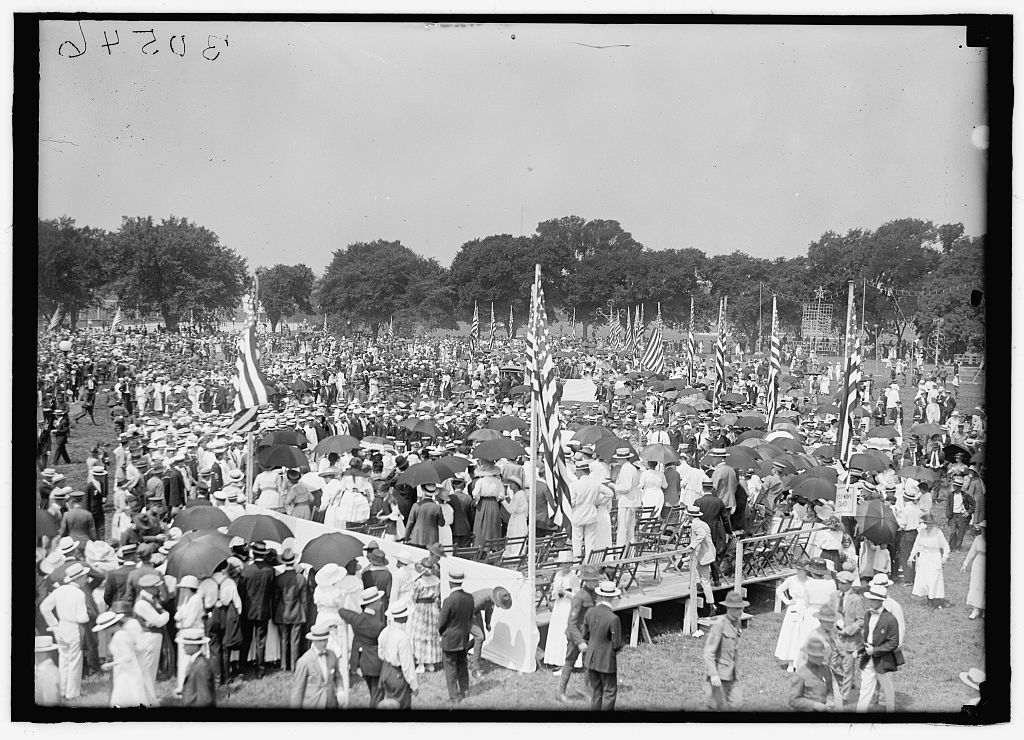
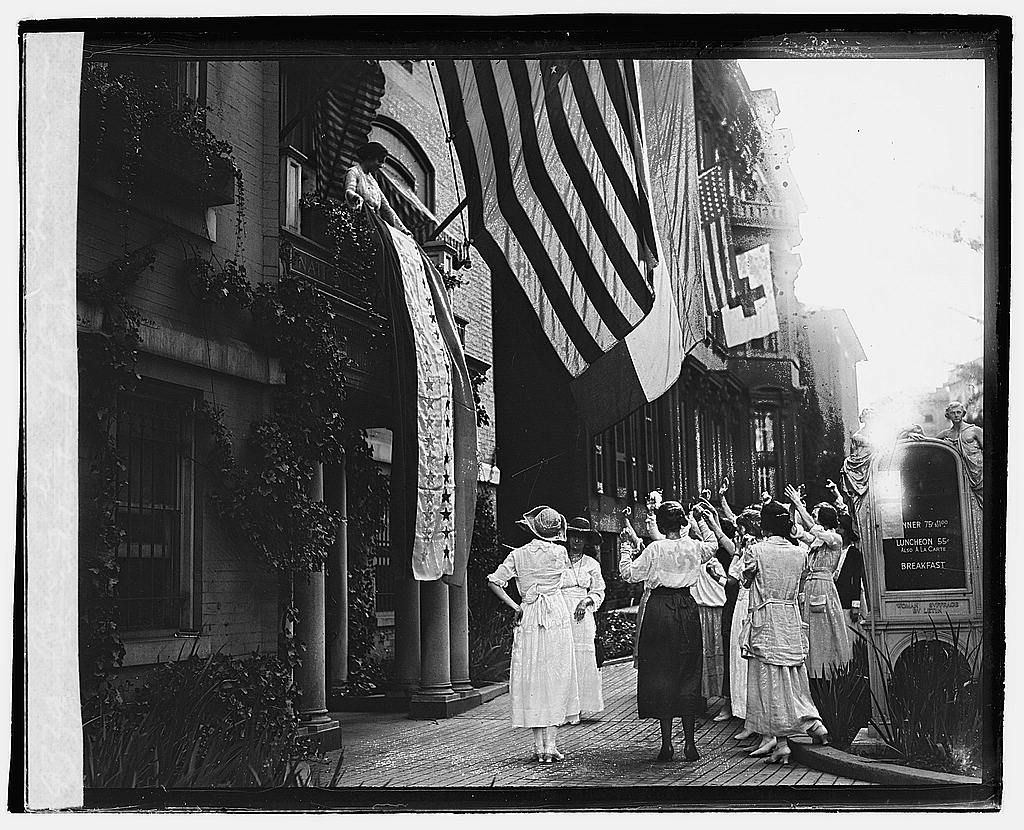
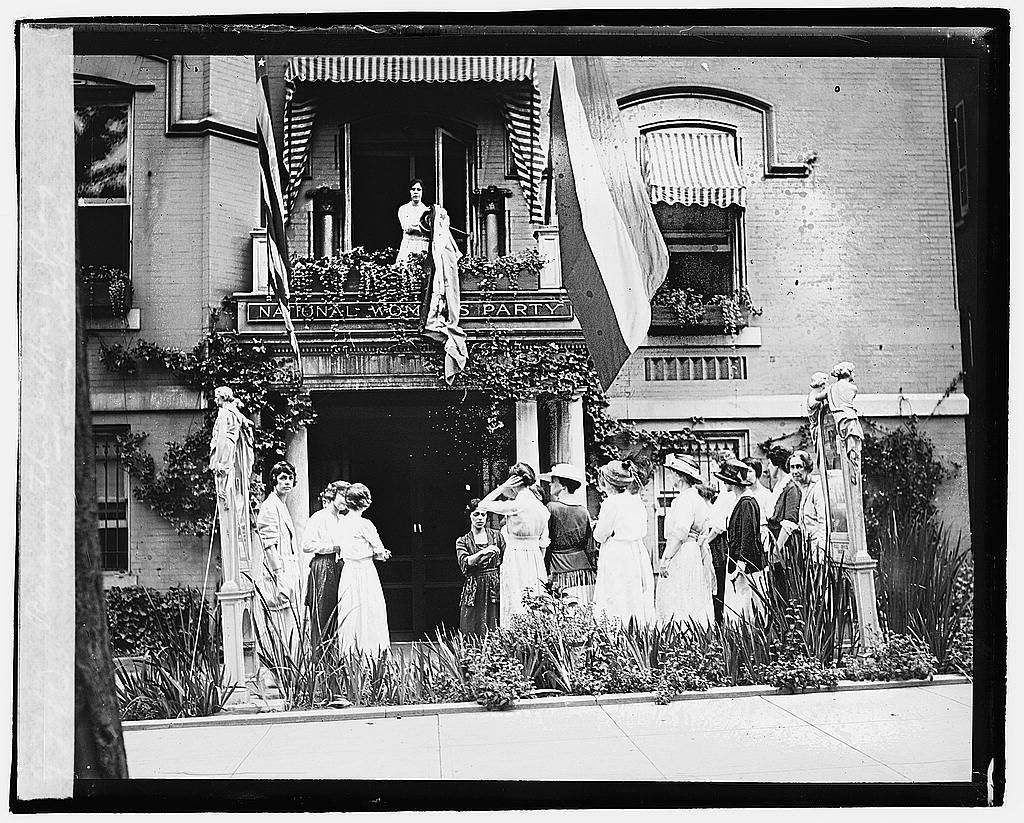
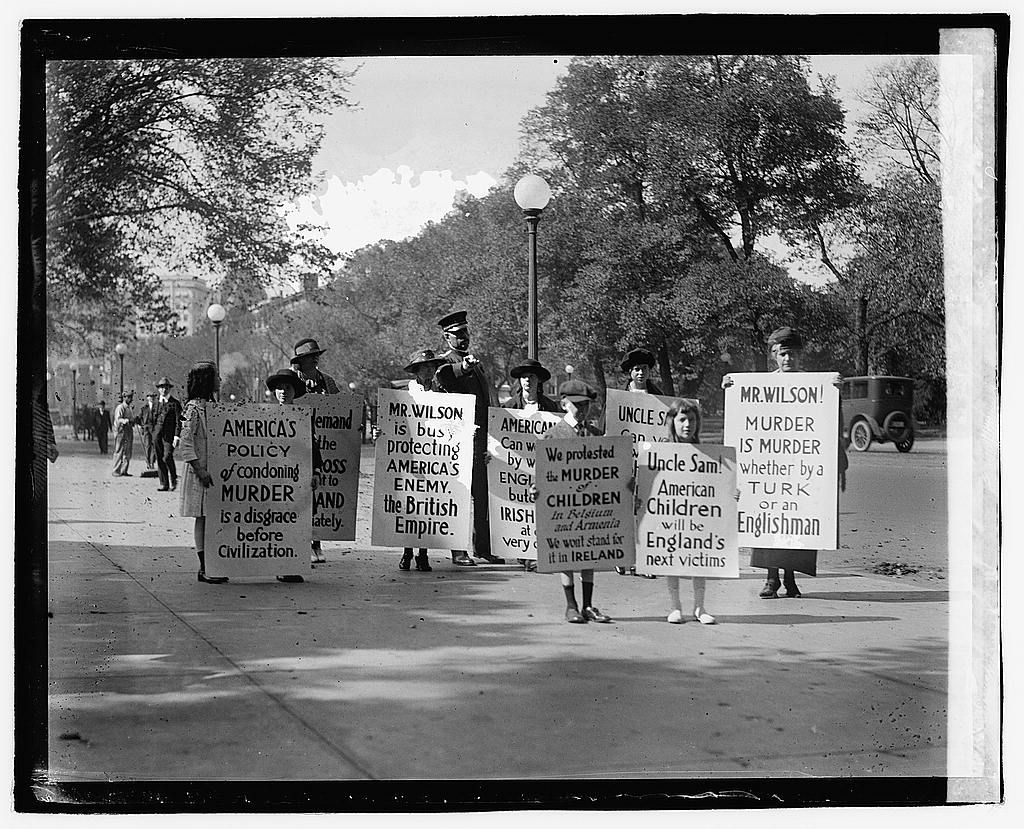
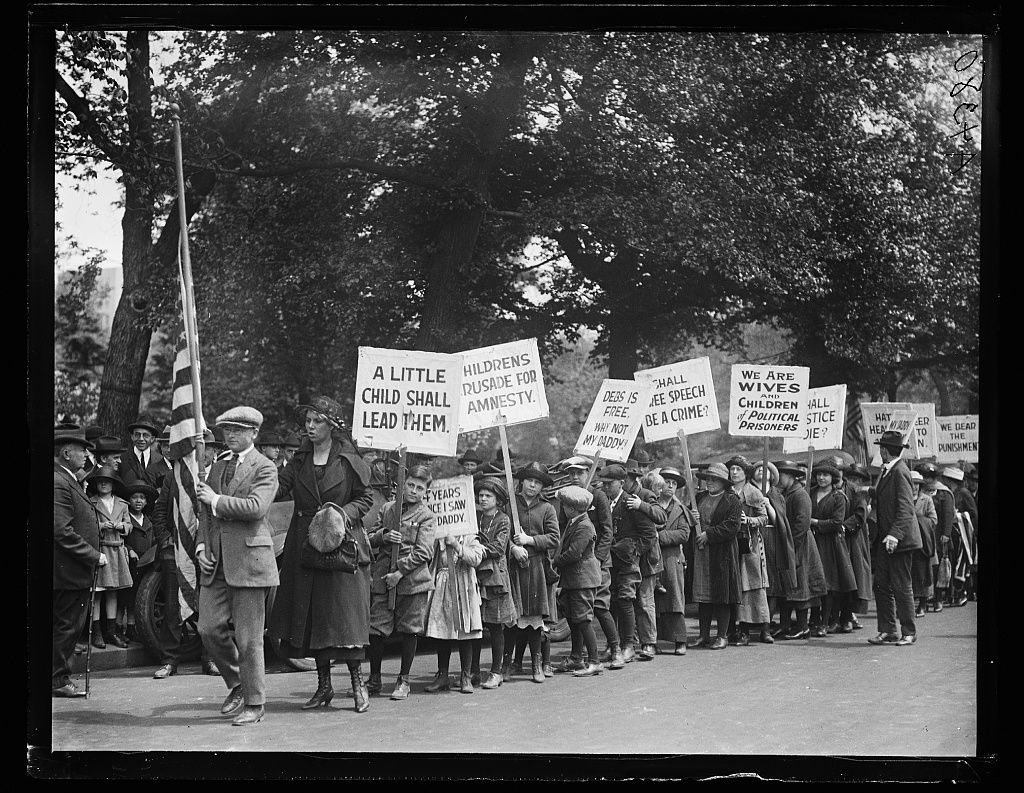
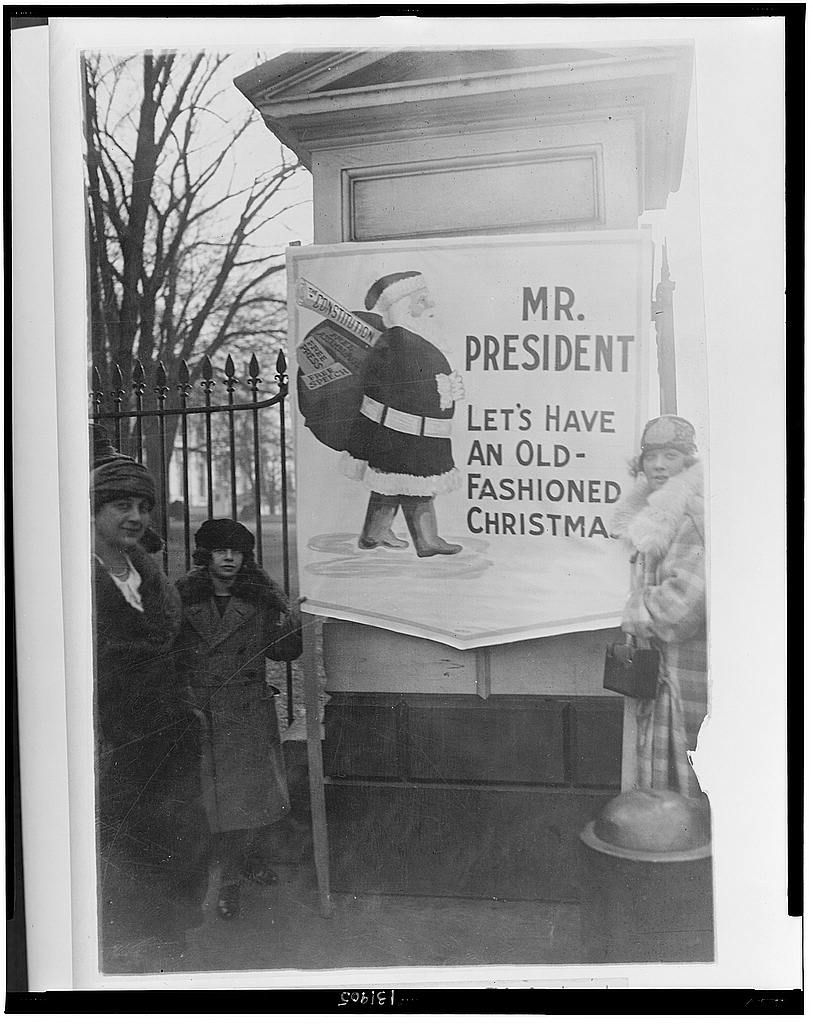
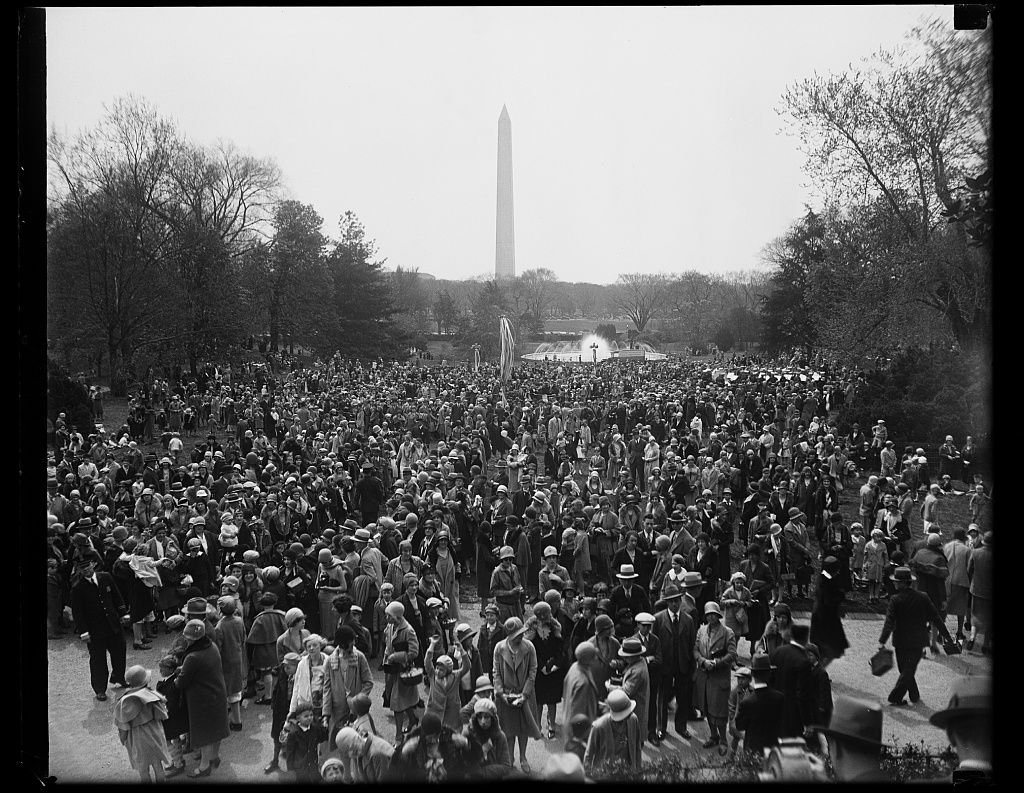
The house was much more open than now. Pennsylvania Avenue ran past the north gates, crowds gathered on the Ellipse to the south, and from January 1917 the “Silent Sentinels” of the National Woman’s Party stood at the gates with banners asking the President how long women must wait for liberty. Lafayette Square across the avenue had its statues of Jackson, Lafayette, Rochambeau, von Steuben and Kościuszko, the last two unveiled in 1910.
What's there now
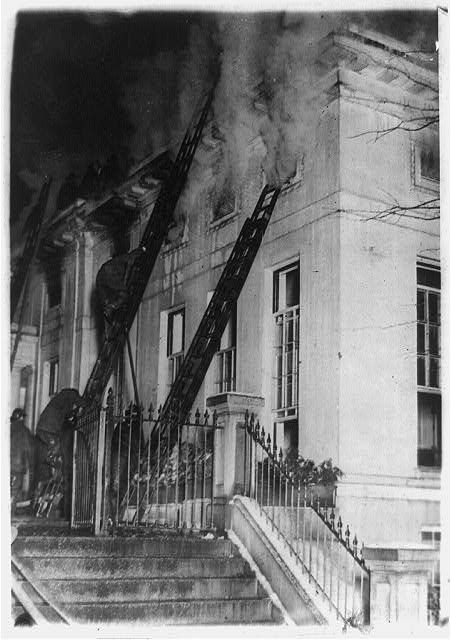
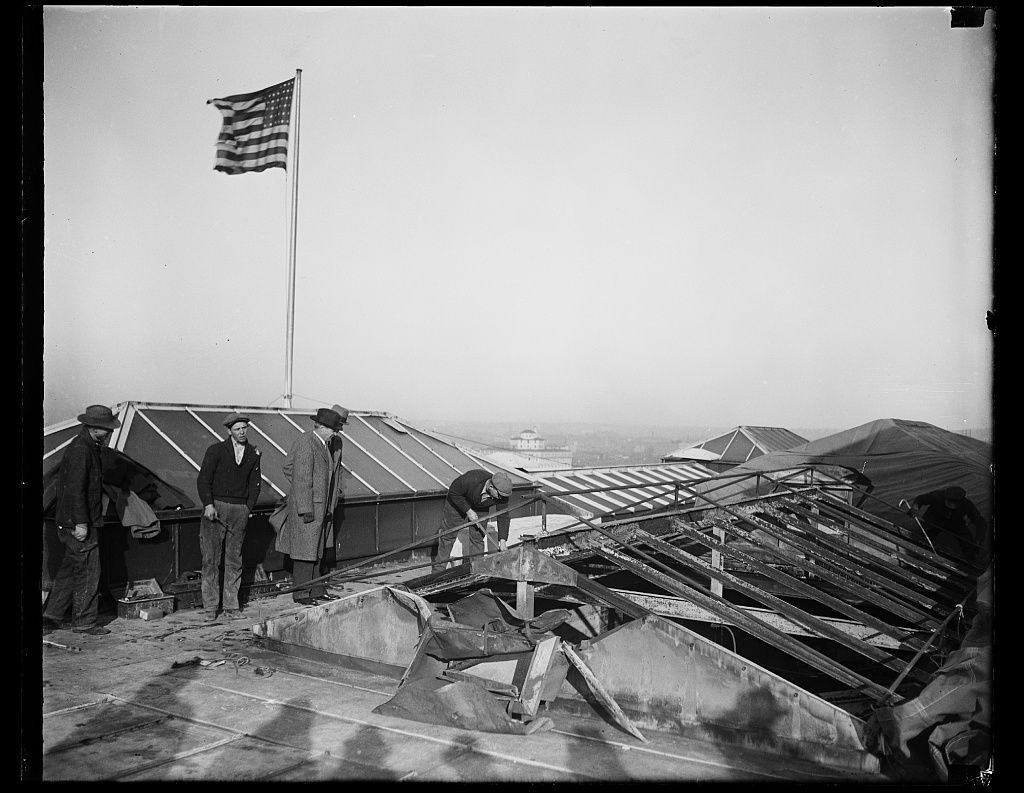
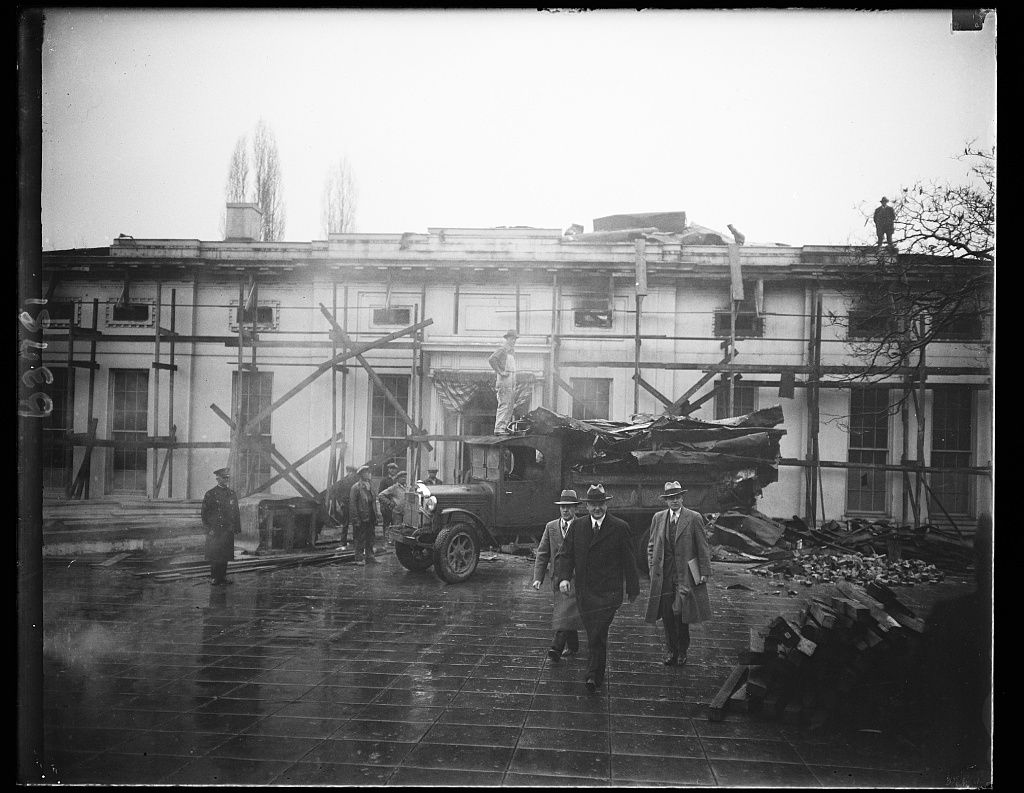
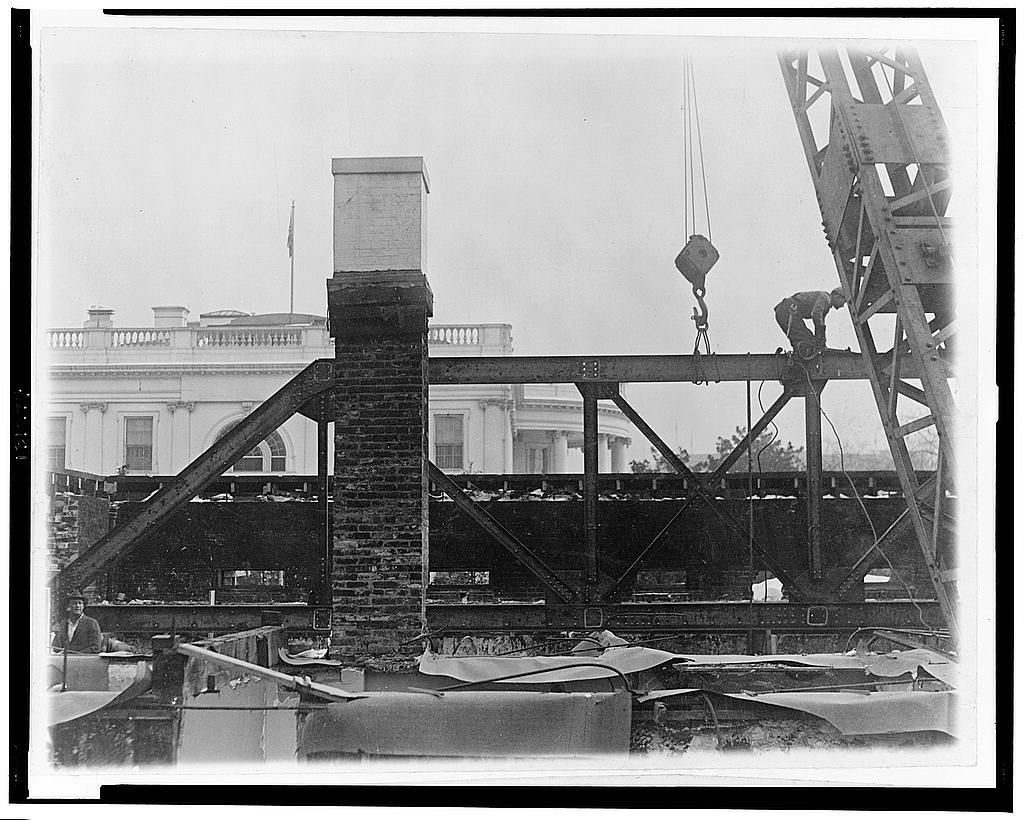
The house is still the President’s residence and office. The West Wing was rebuilt after a fire on Christmas Eve 1929 and enlarged in the 1930s, when Franklin Roosevelt moved the Oval Office to its present corner, and the whole interior was dismantled and rebuilt in 1949–52. Pennsylvania Avenue in front has been closed to cars since 1995.
Then and now
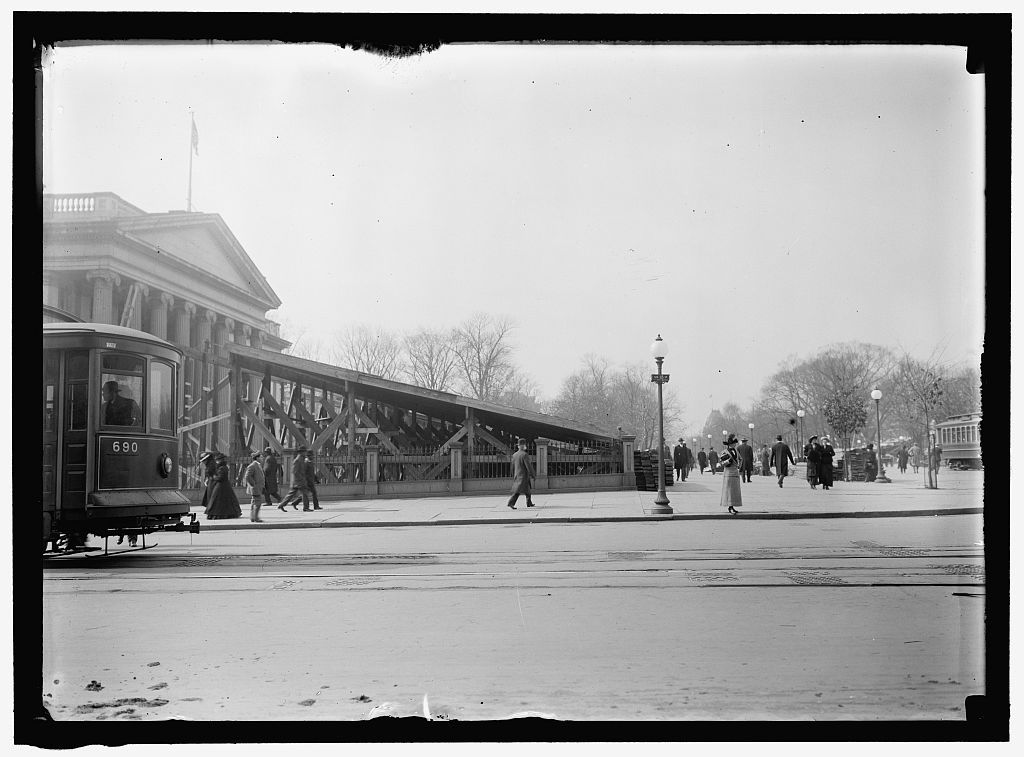
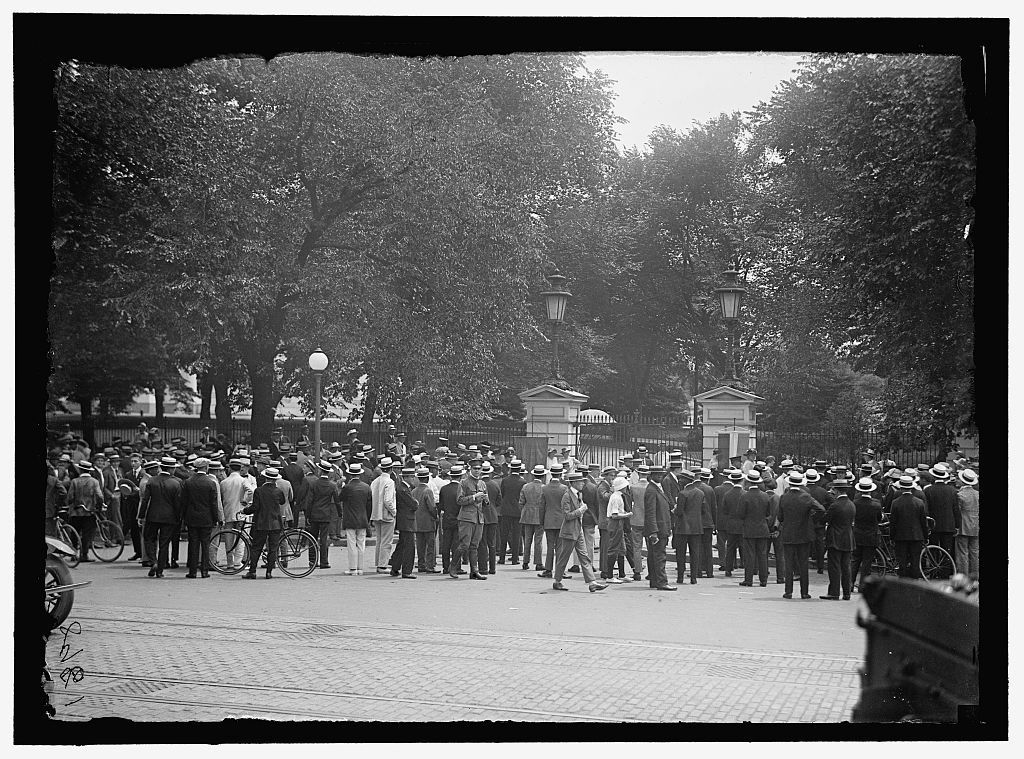
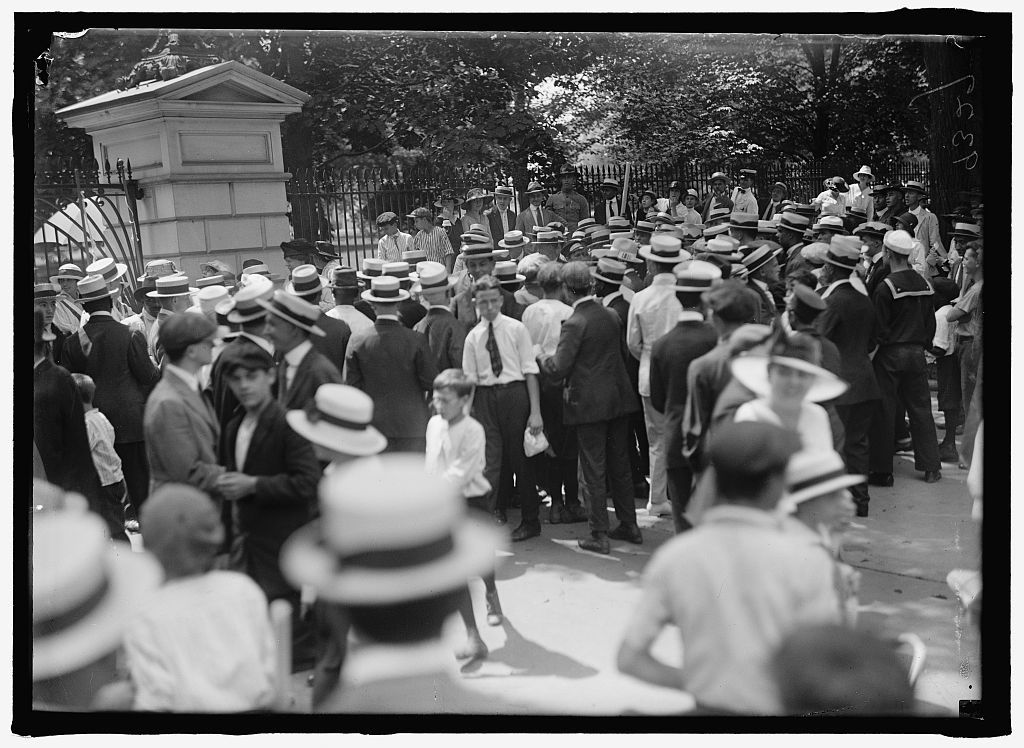
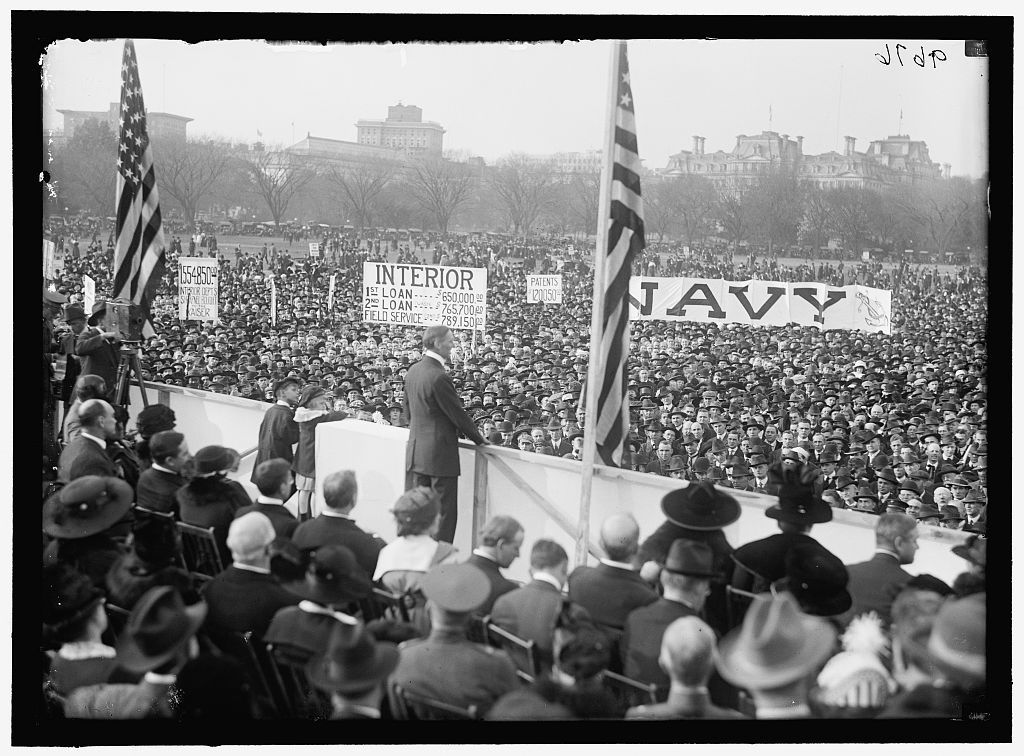
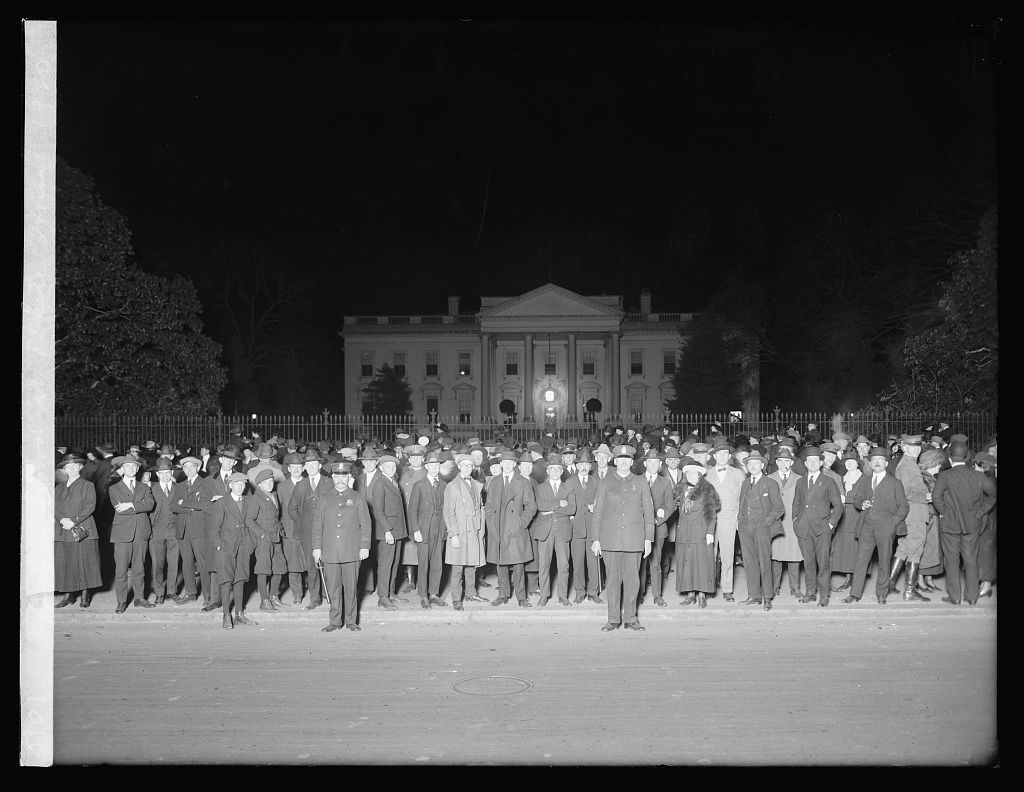
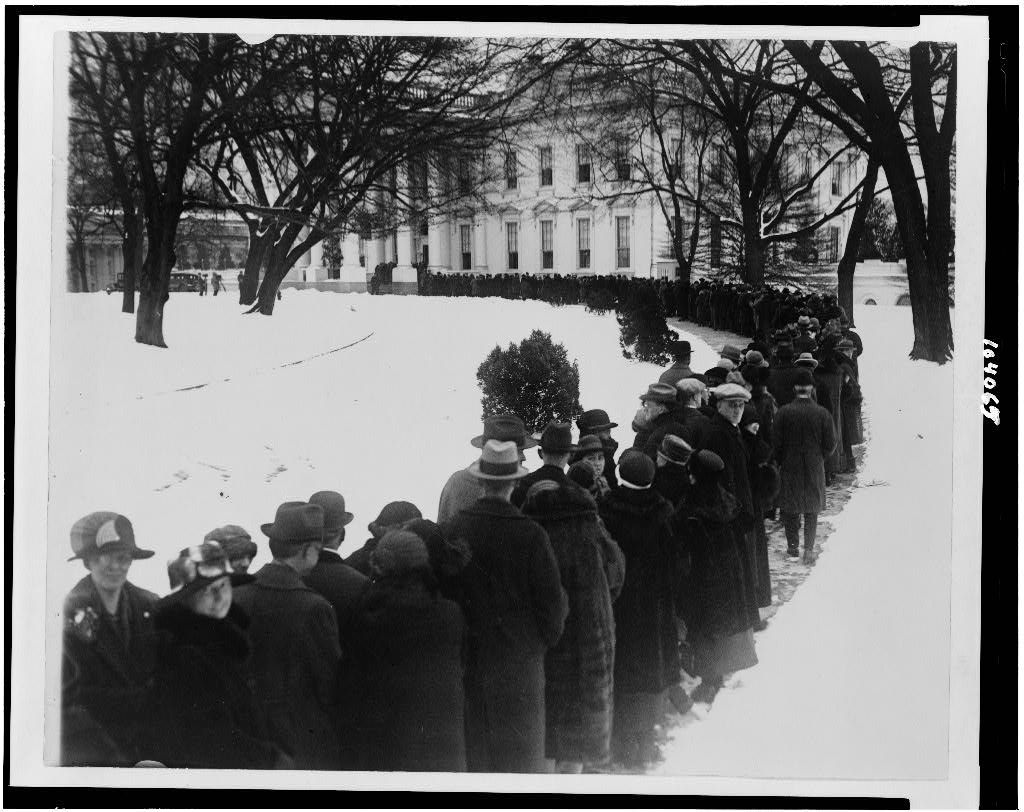
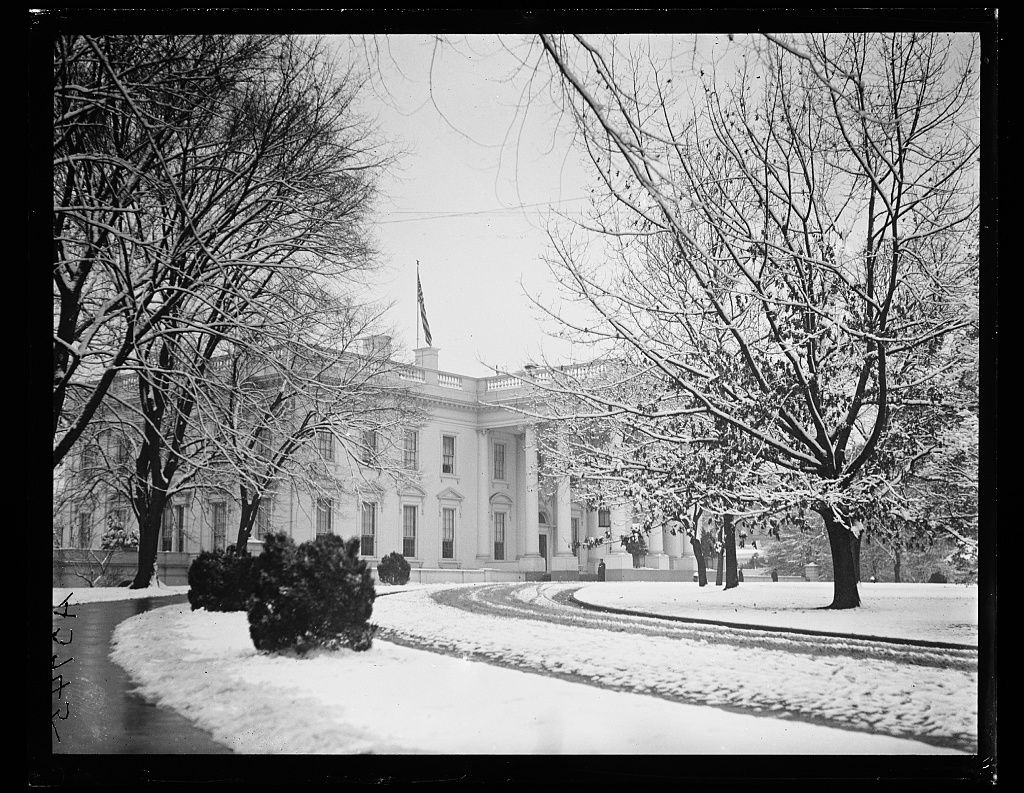
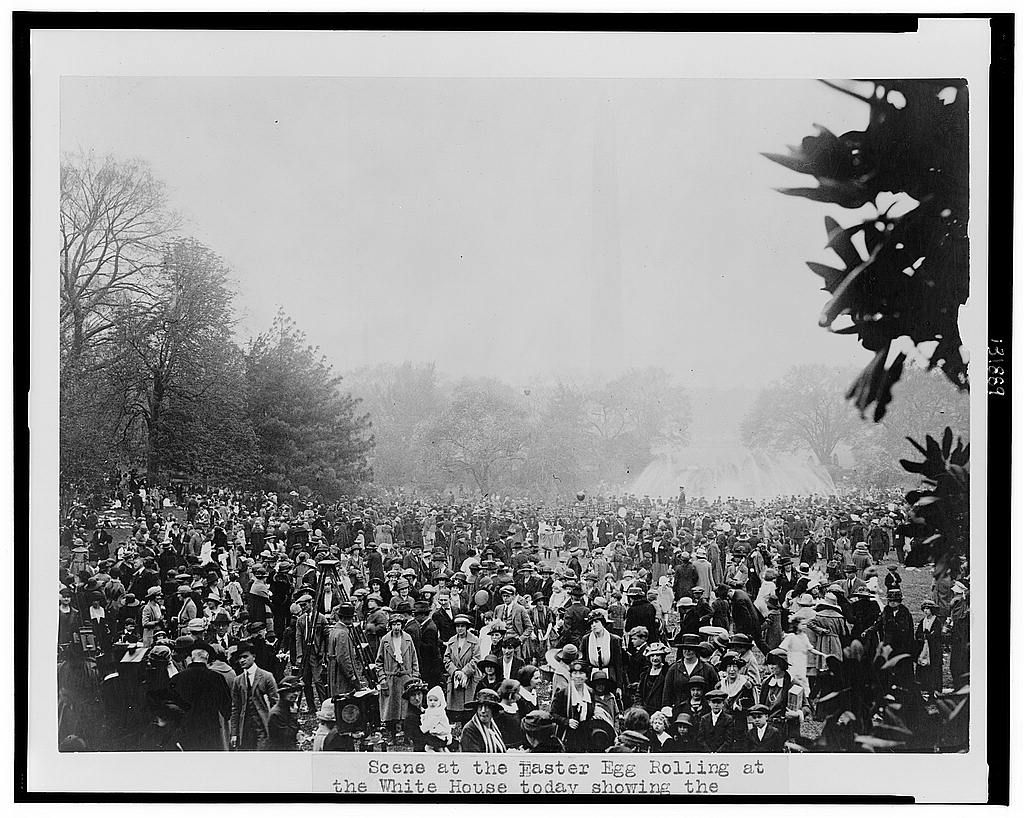
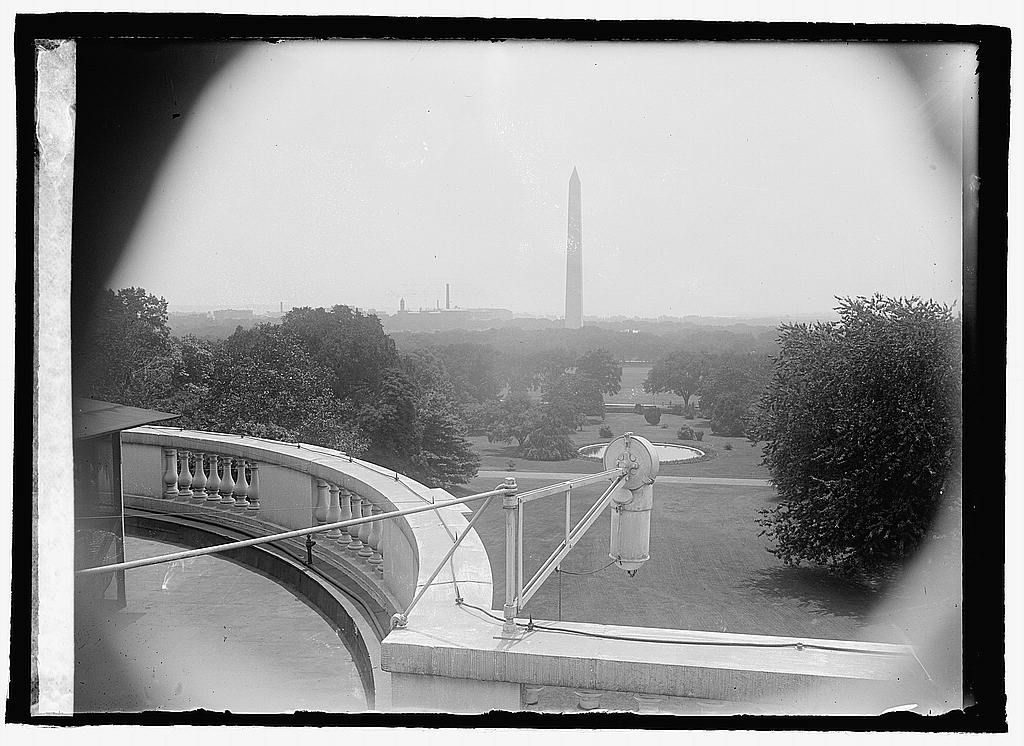
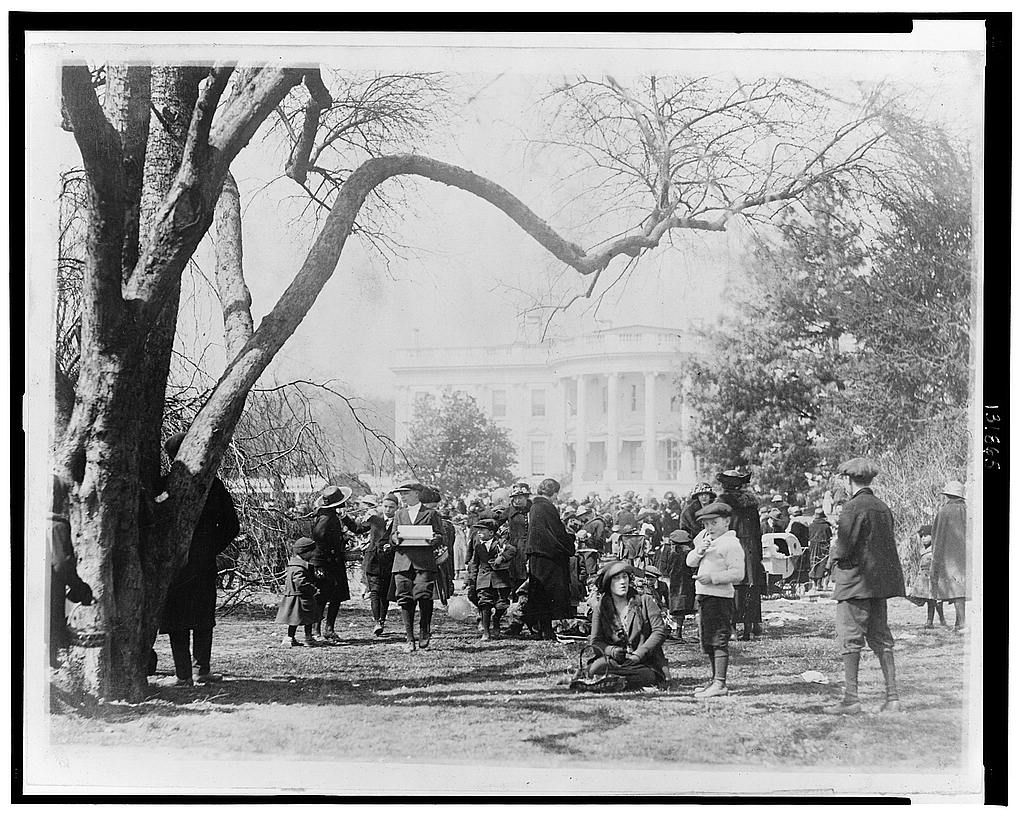
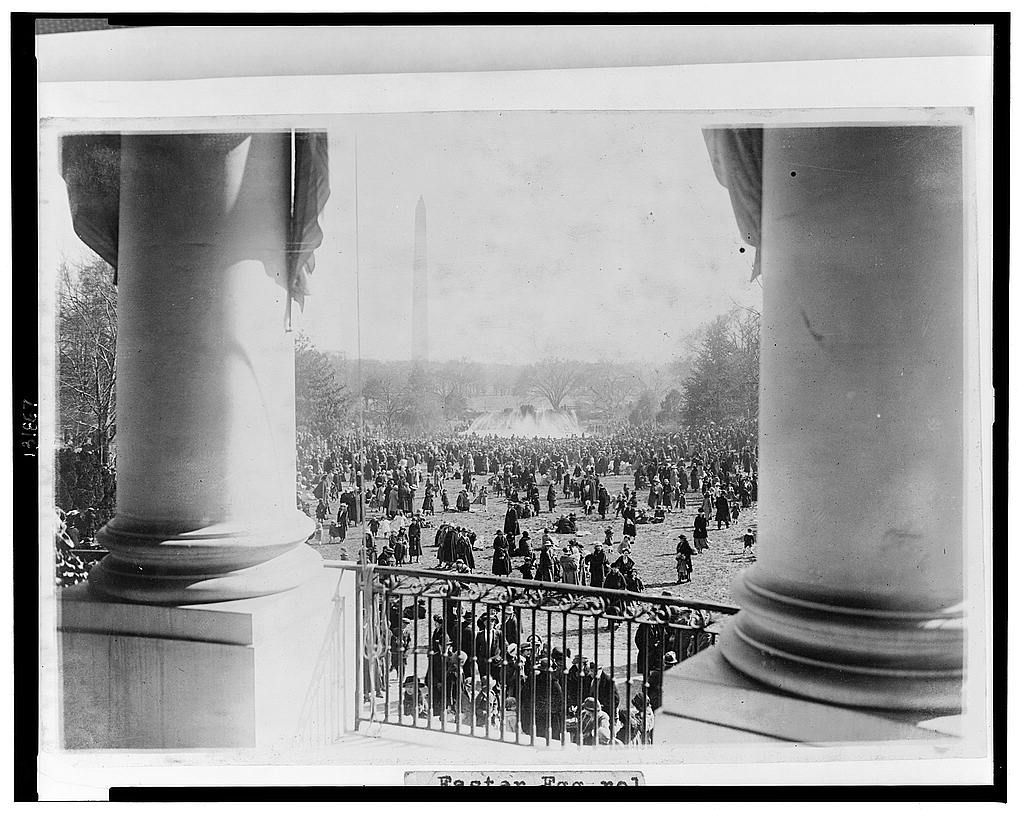
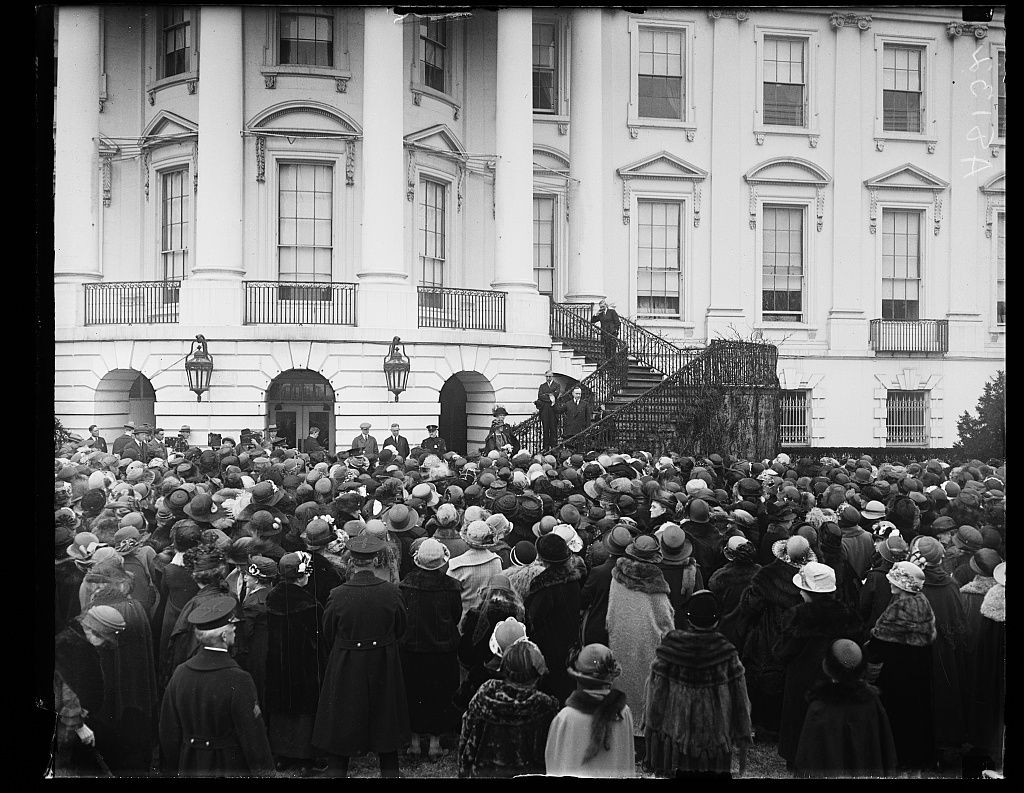
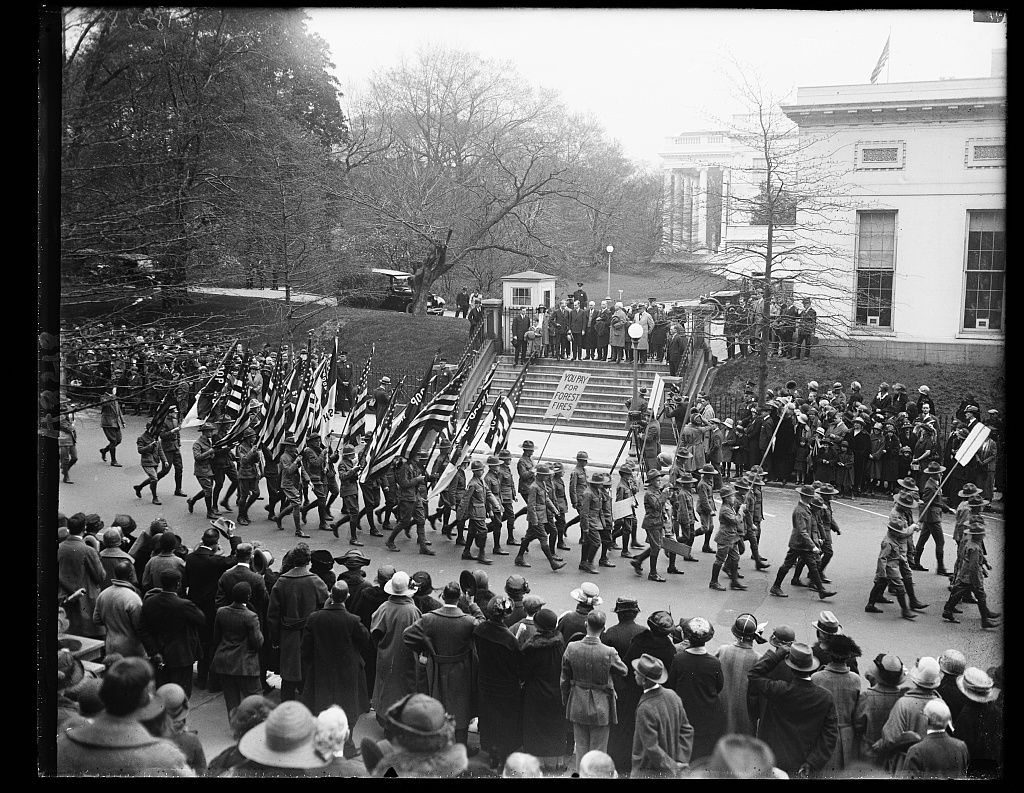
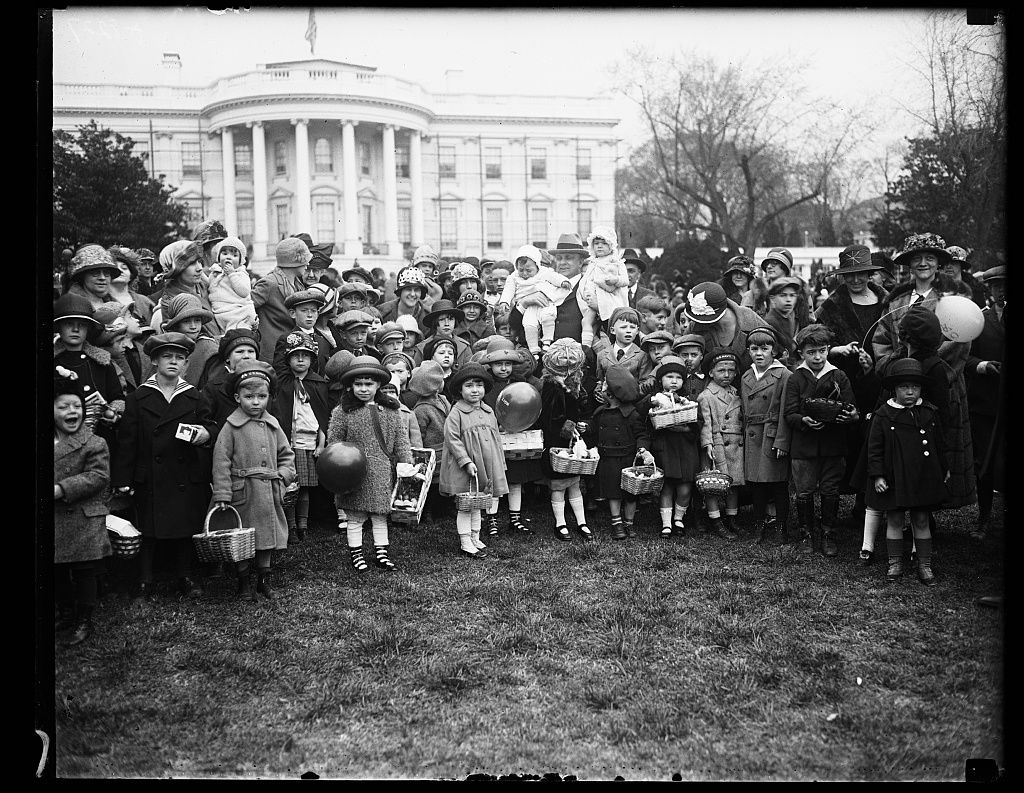
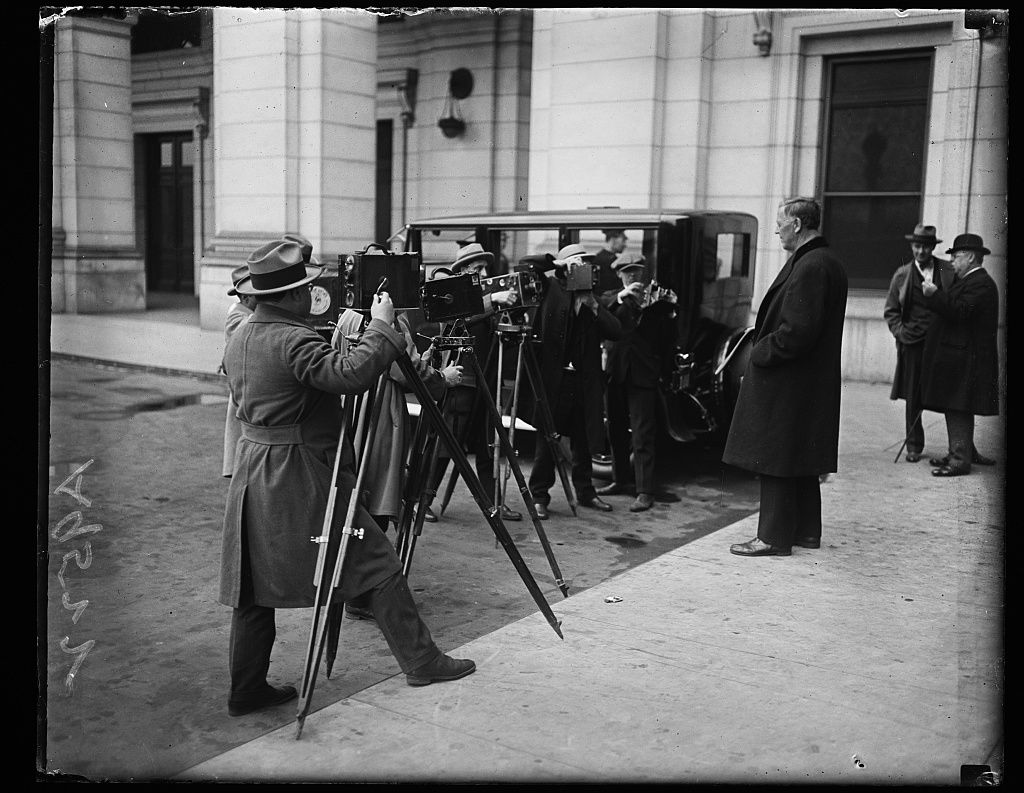
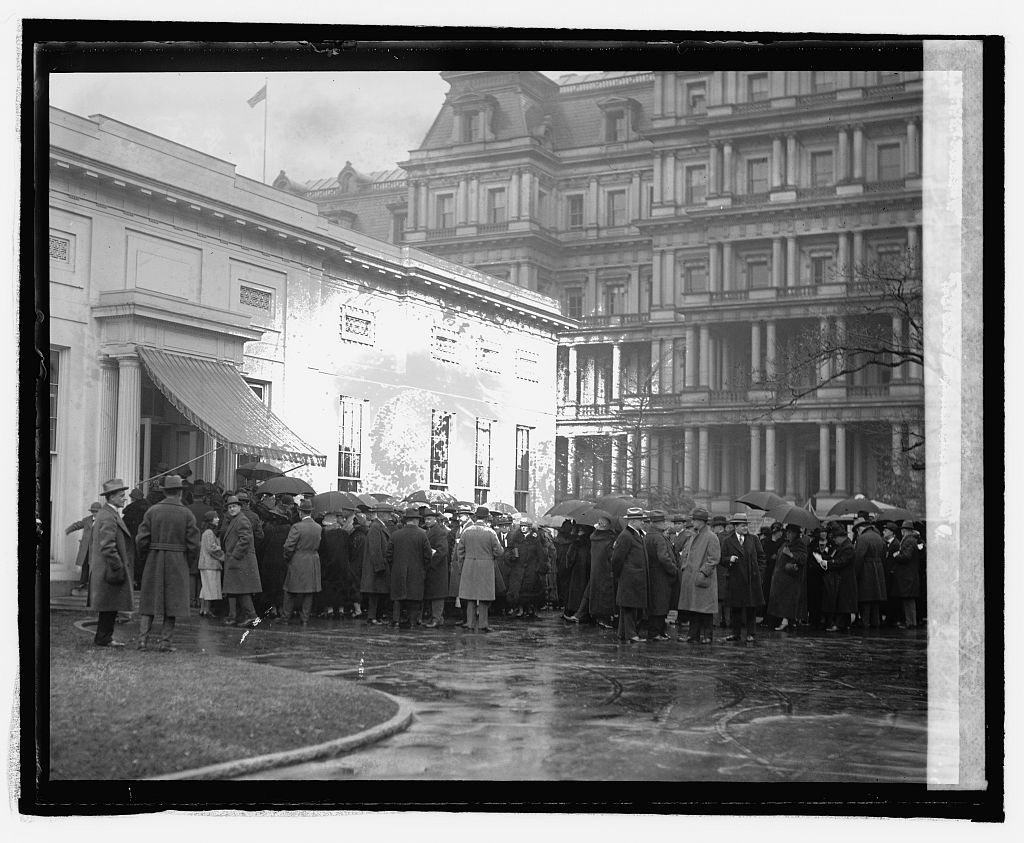
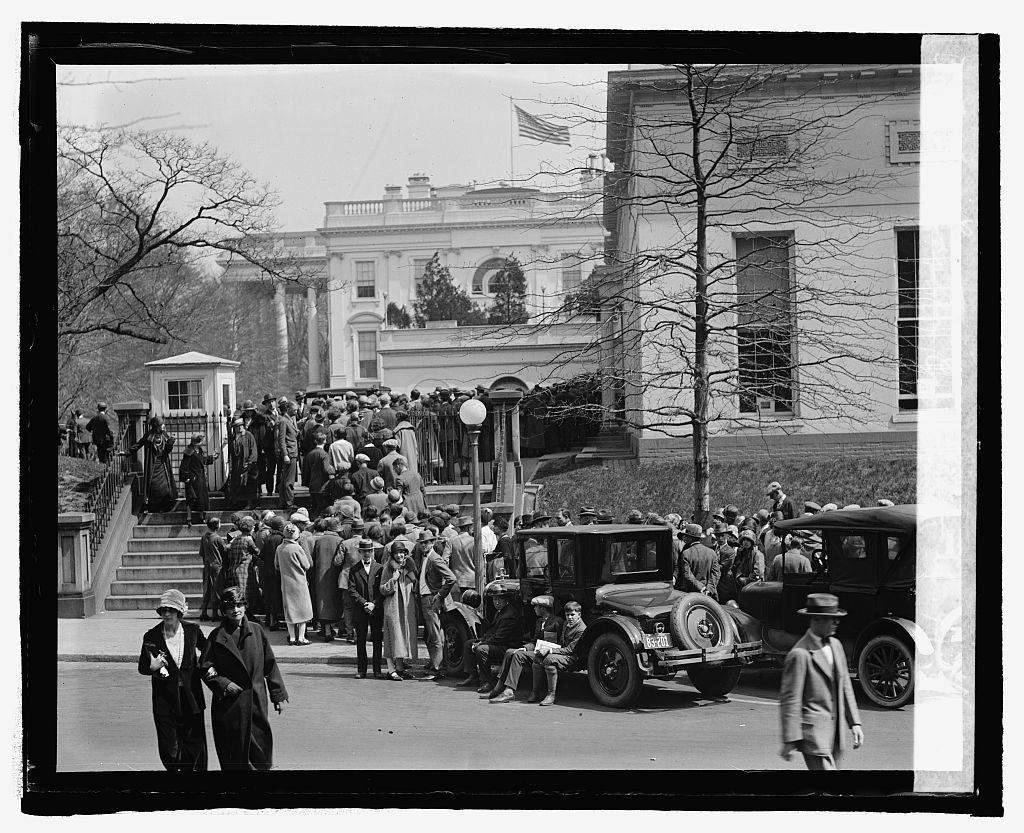
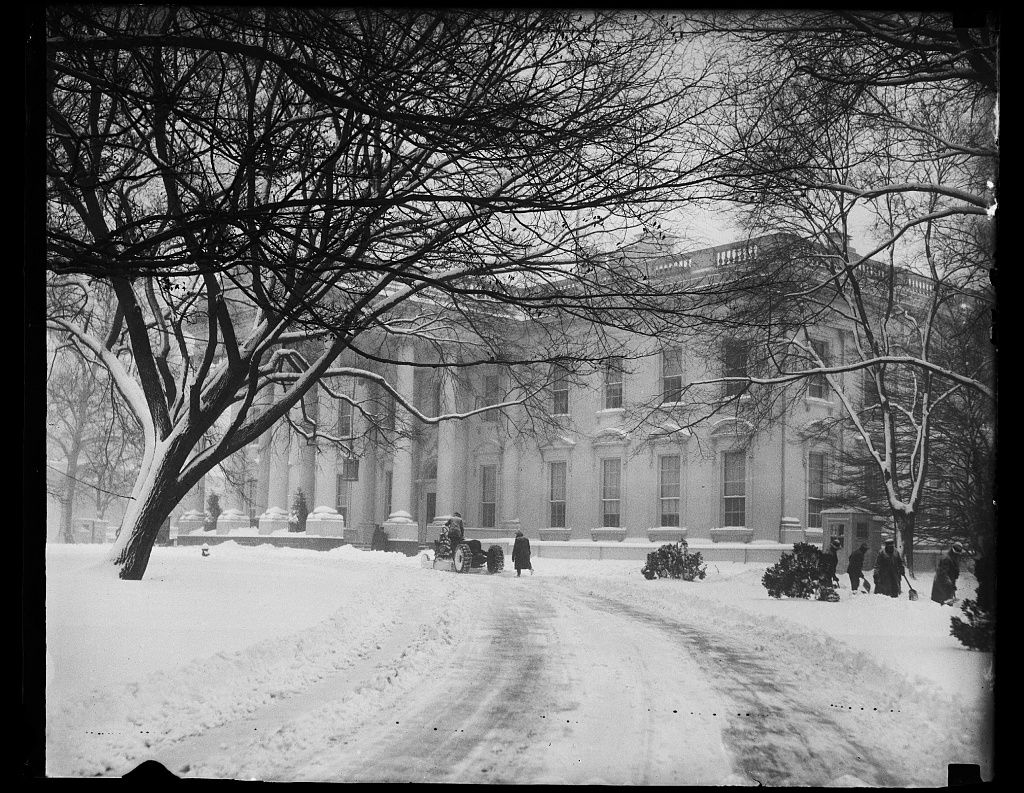
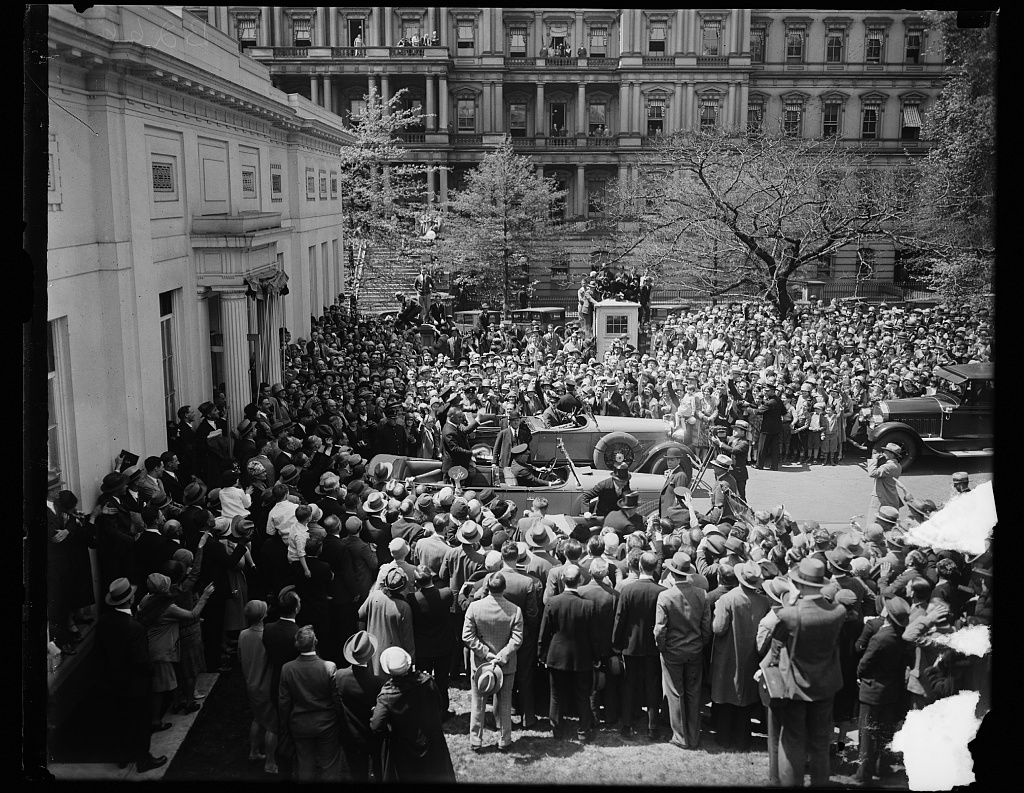
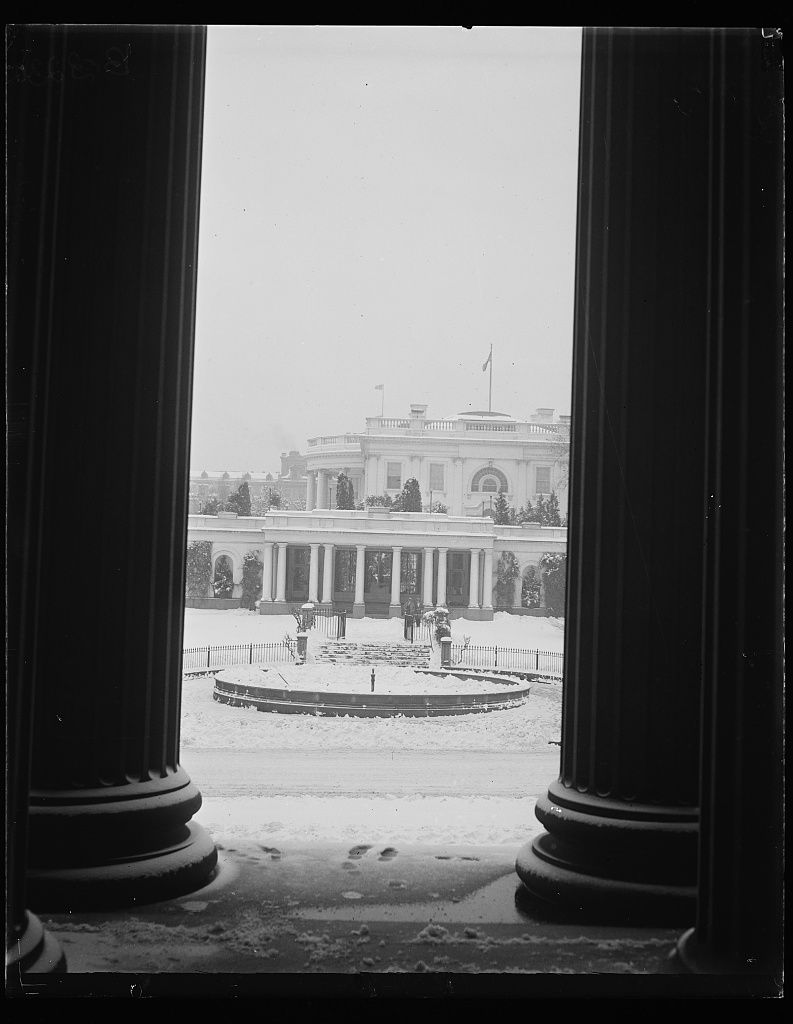
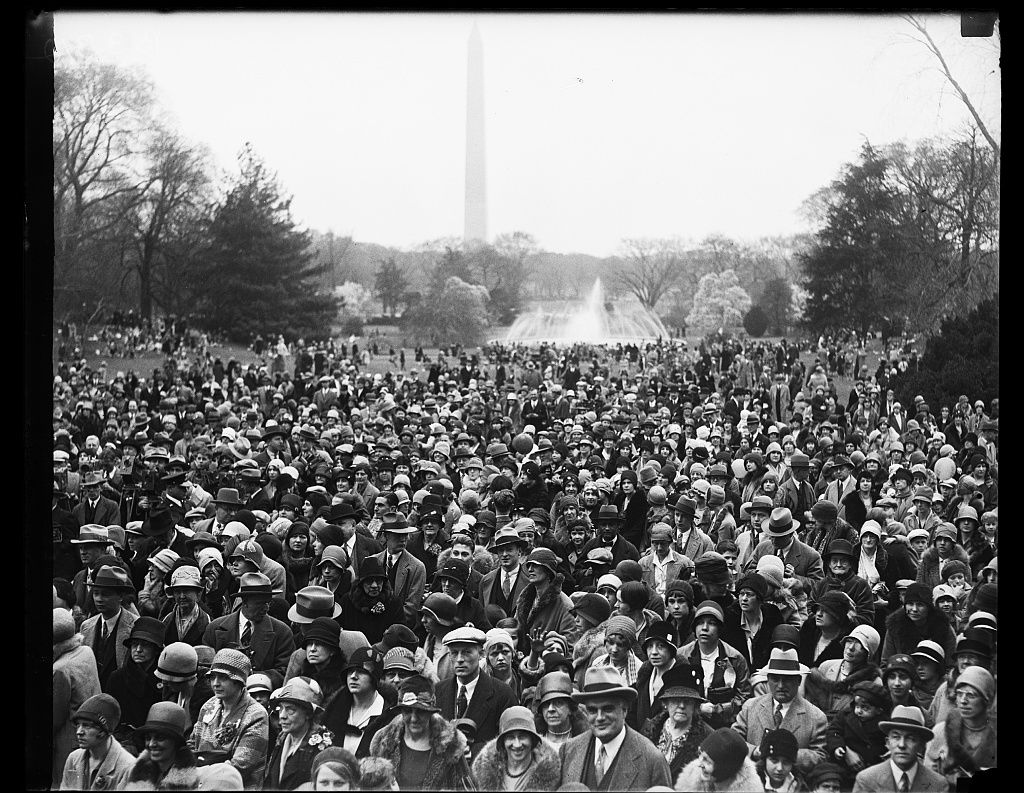
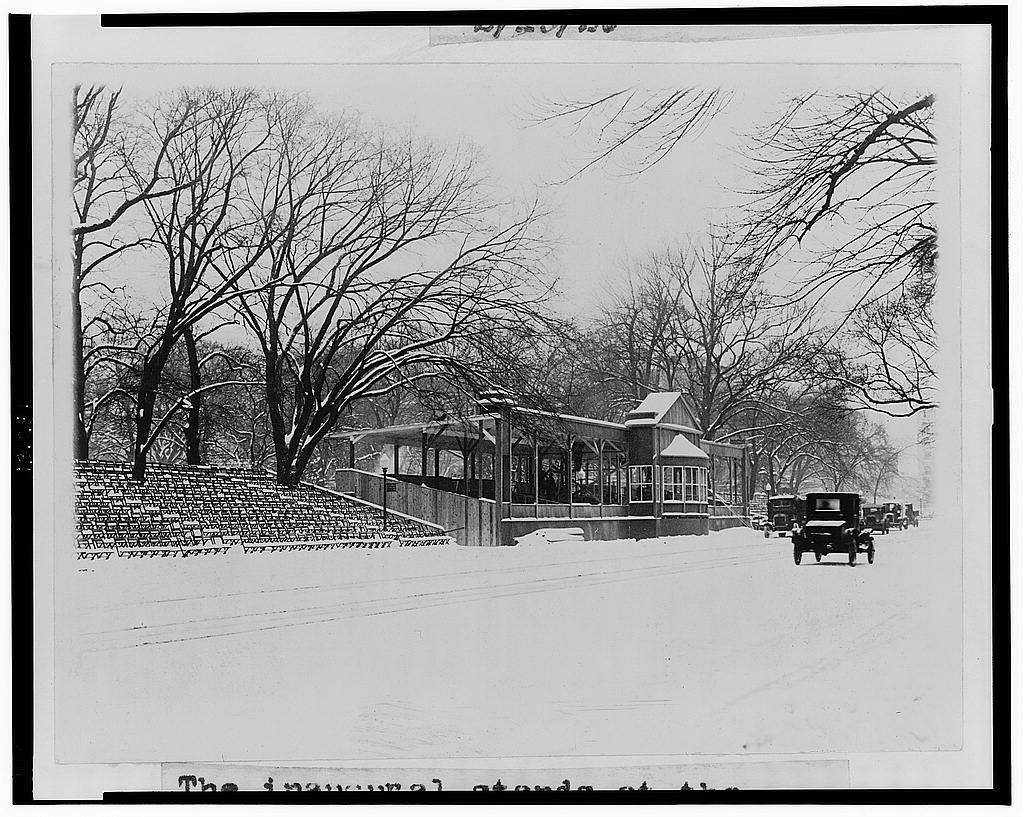
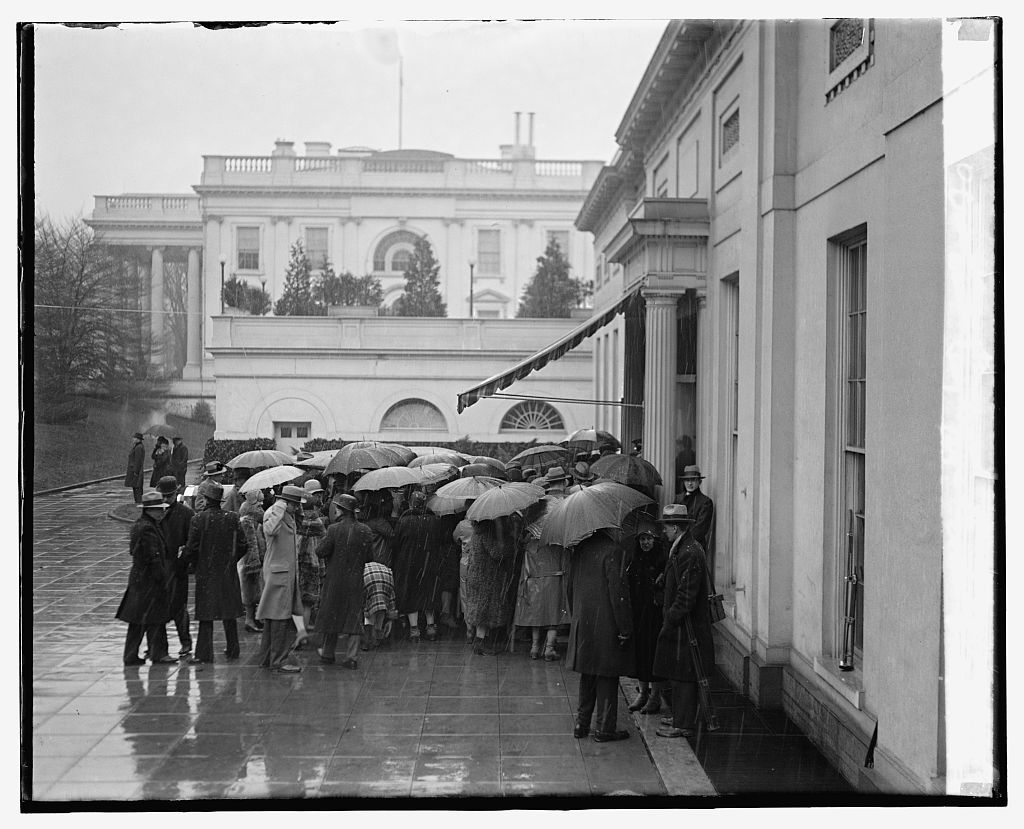
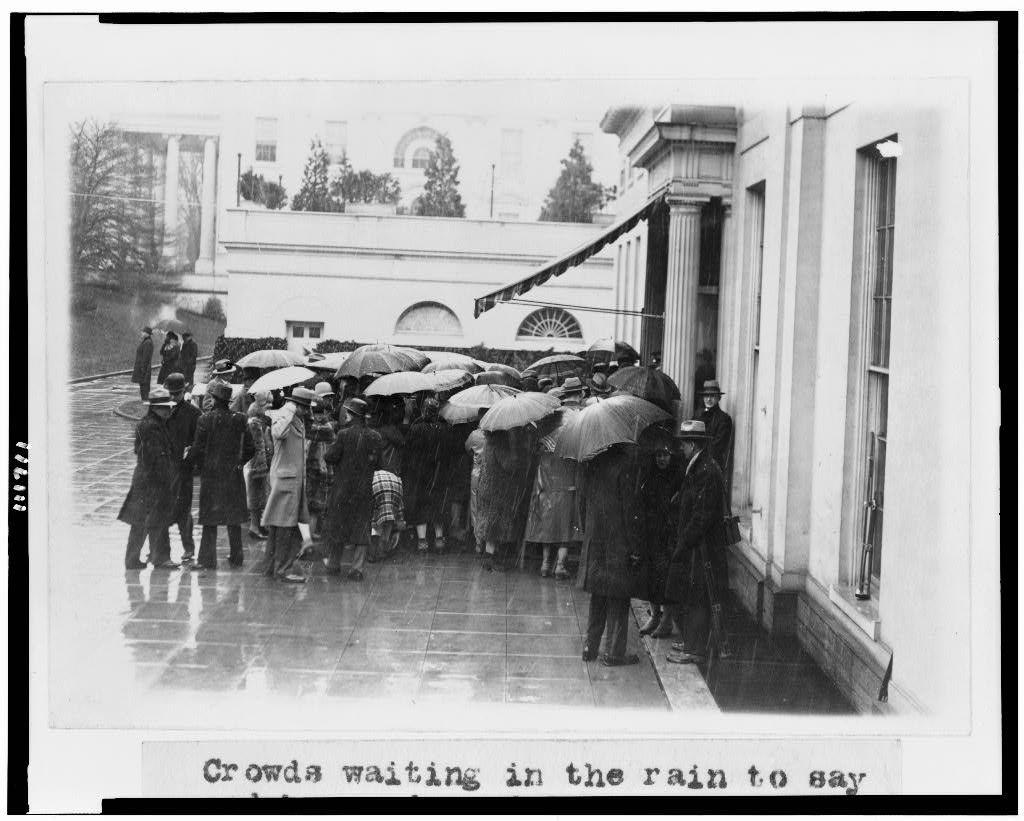
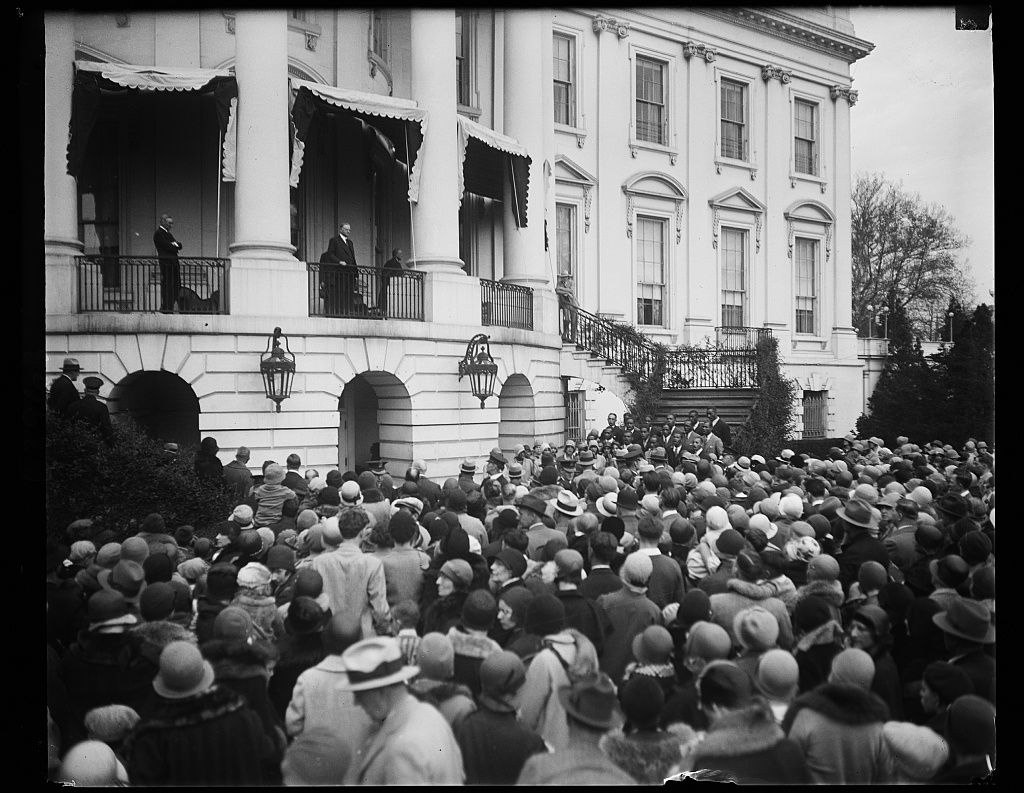
From the north the house looks almost exactly as it did in 1915. What has changed is the setting: people could walk up to the gates, cars and streetcars passed in front, and the Ellipse to the south was an open public ground.
Photographs 113, oldest first
Nearby: The Treasury · State, War and Navy Building · Seventeenth Street · The Washington Monument · Pennsylvania Avenue